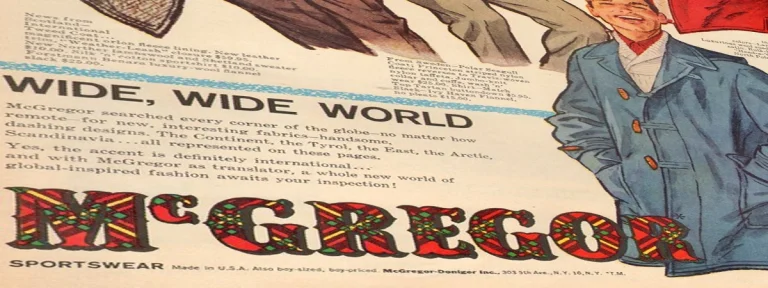
McGREGOR COMPETITORS
The lost big bet
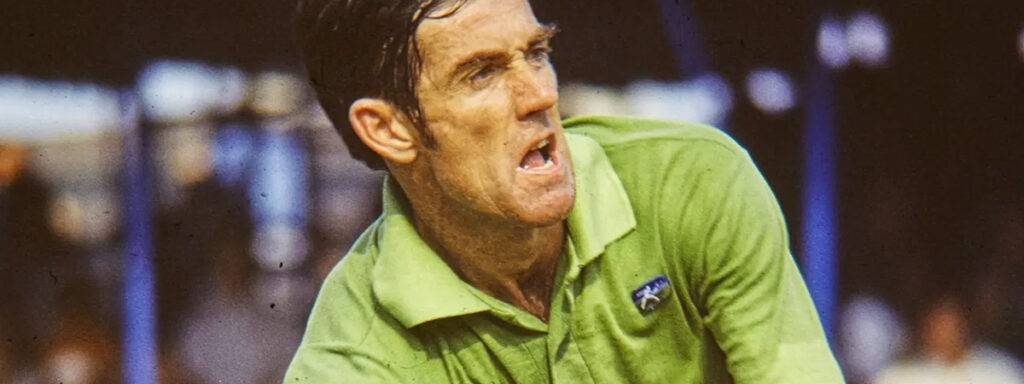
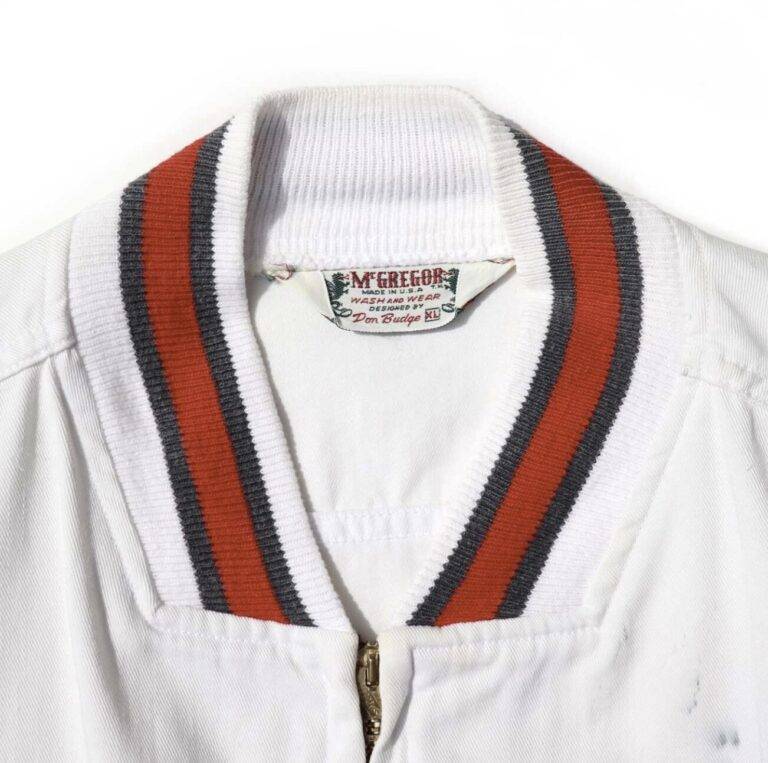
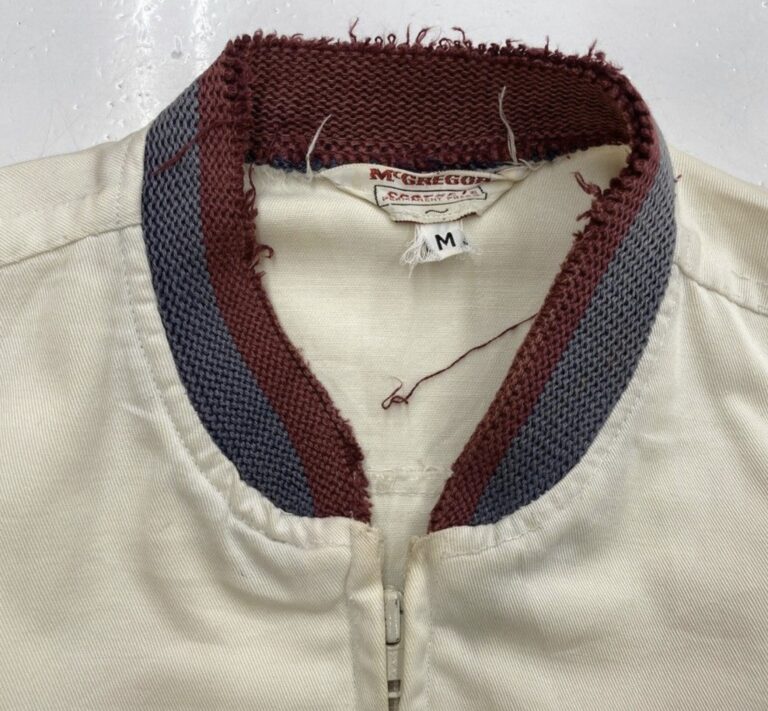
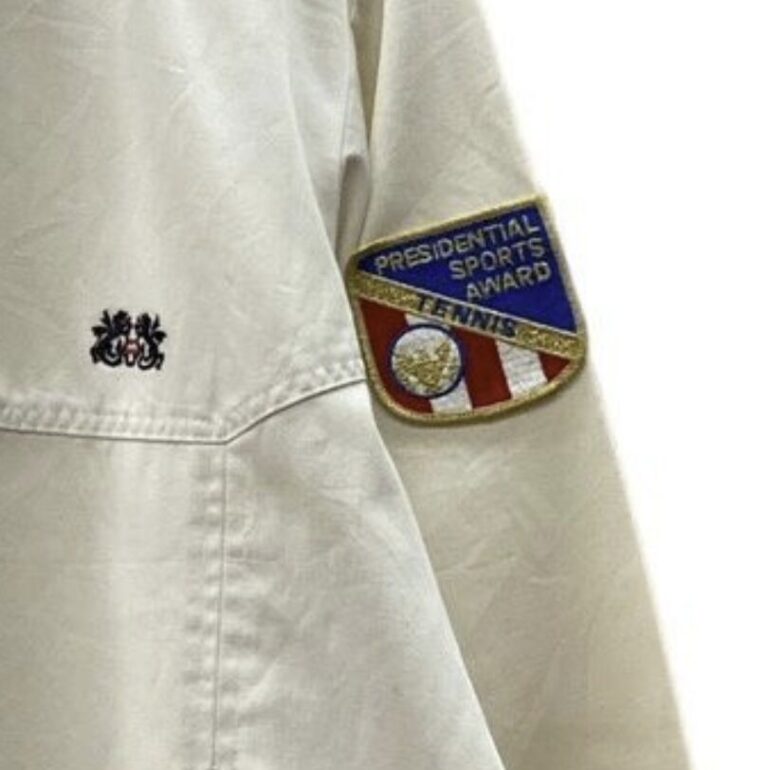
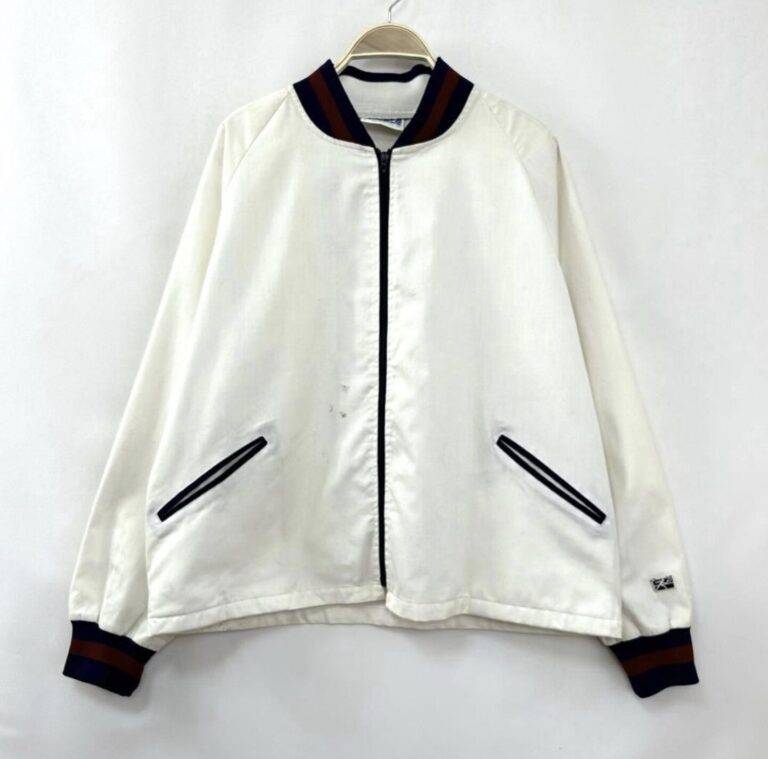
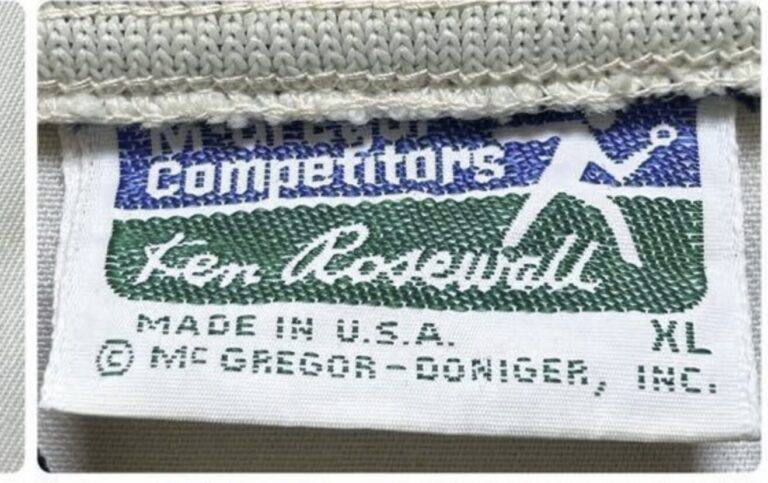
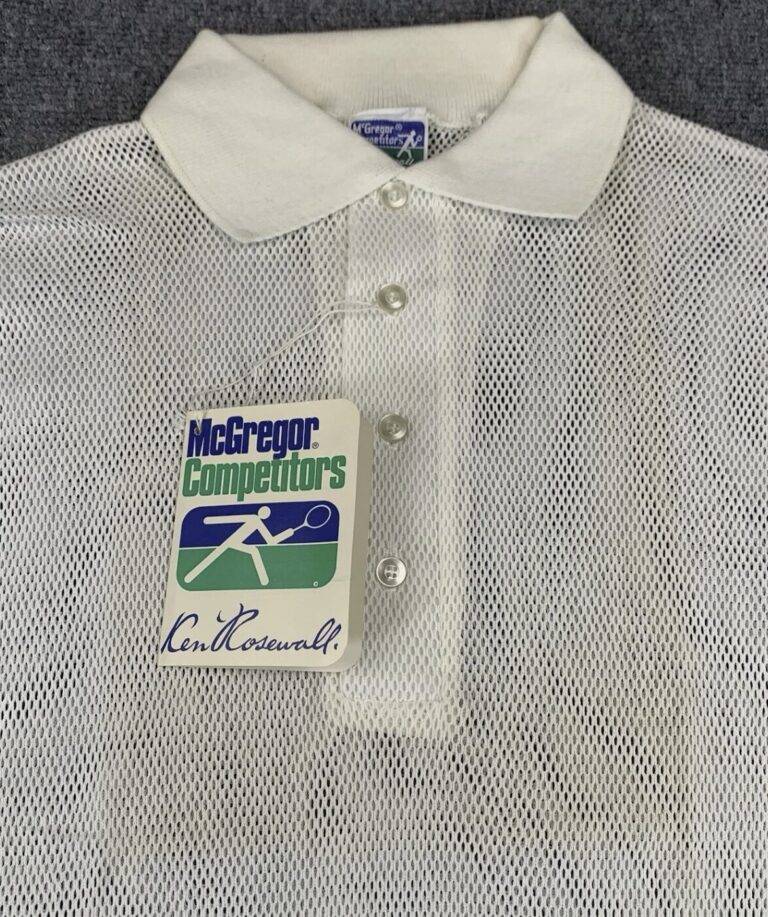
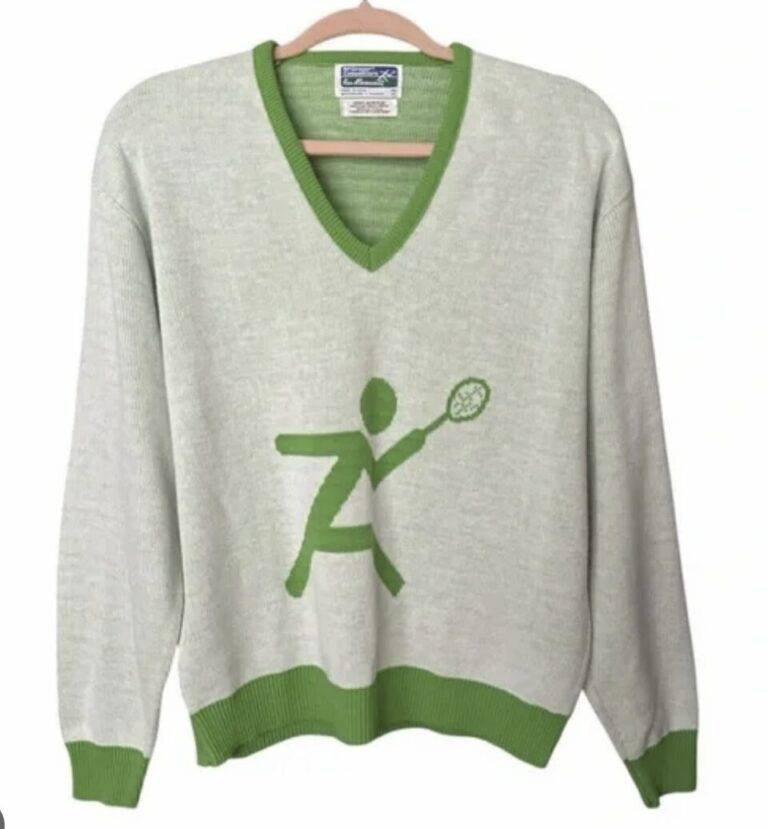
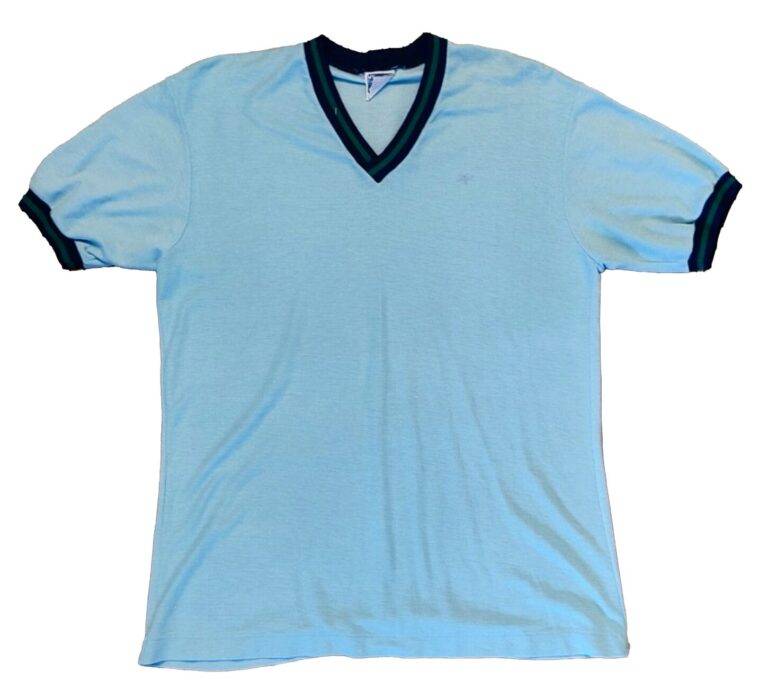
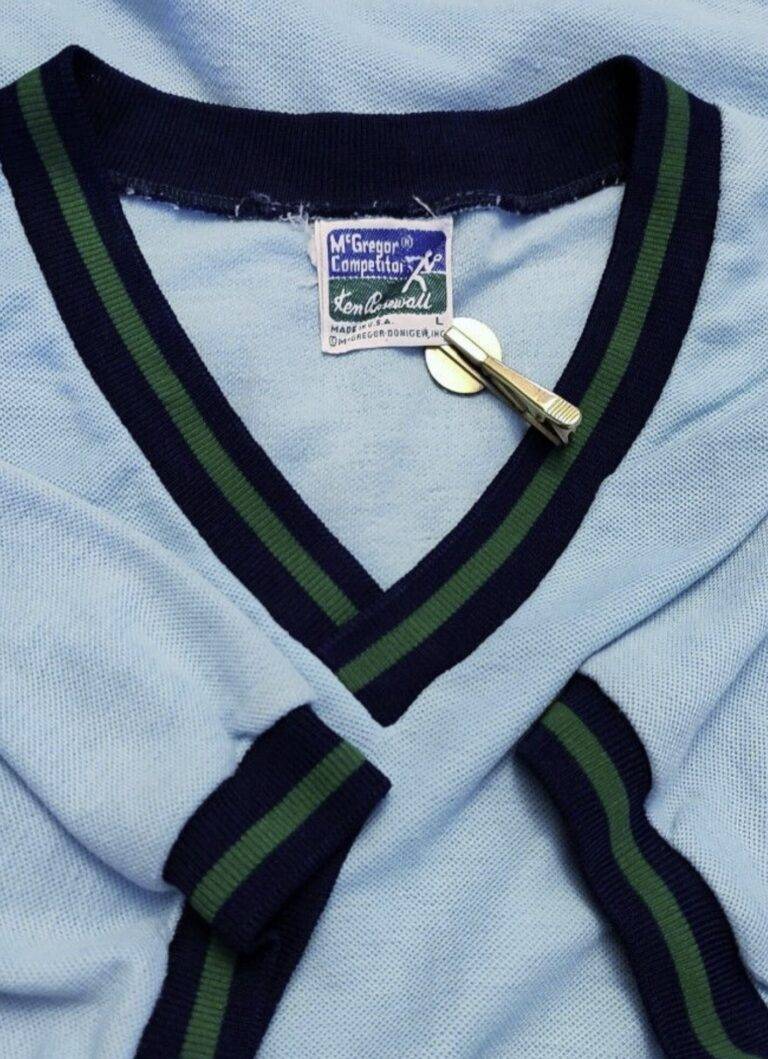
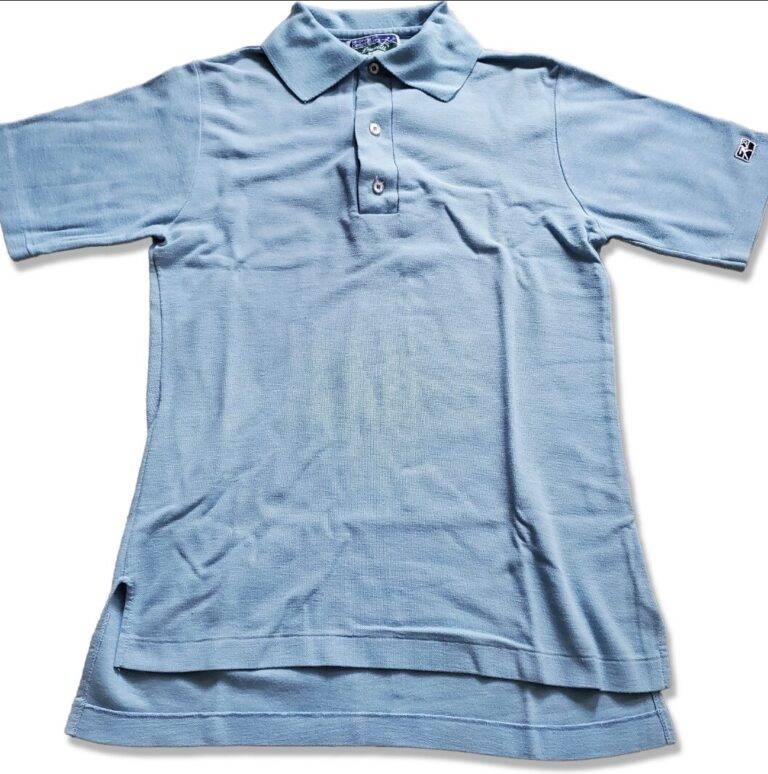
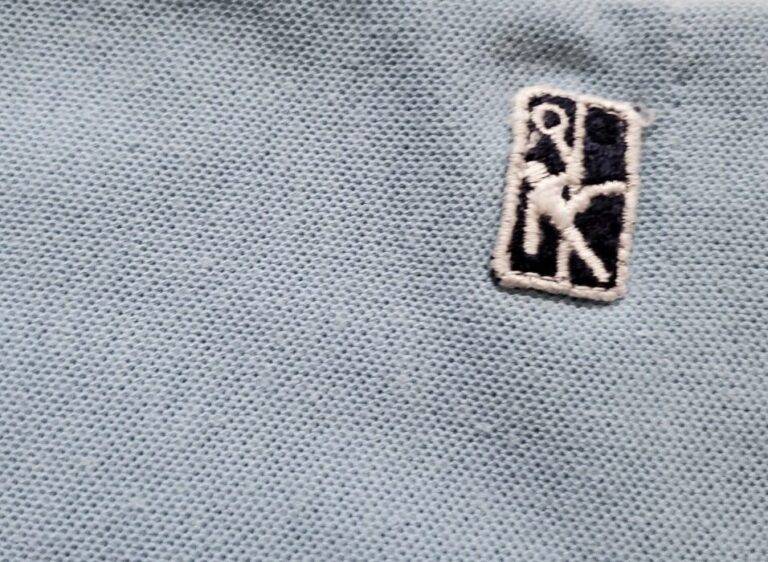
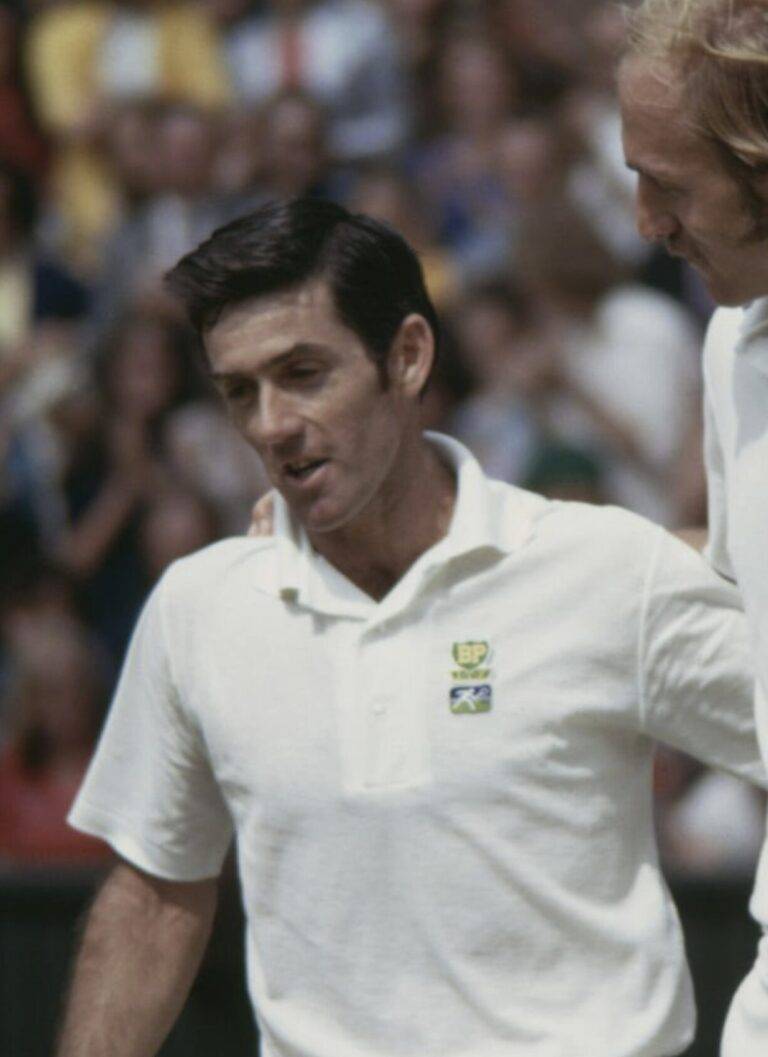
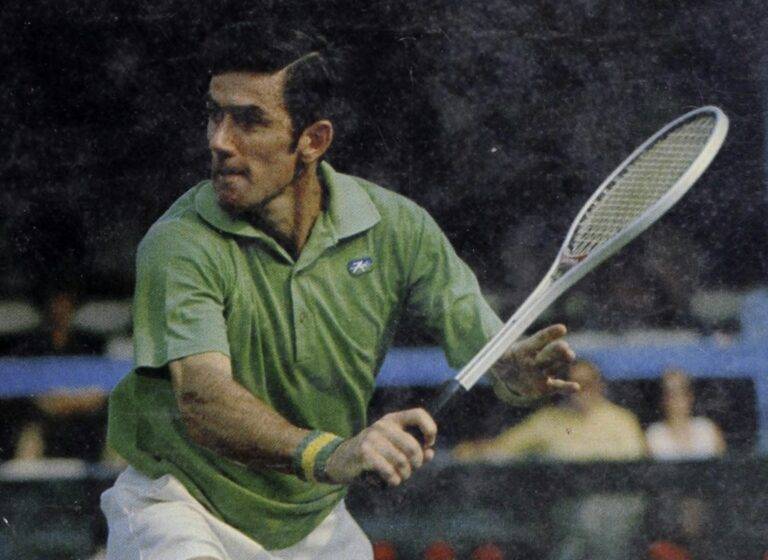
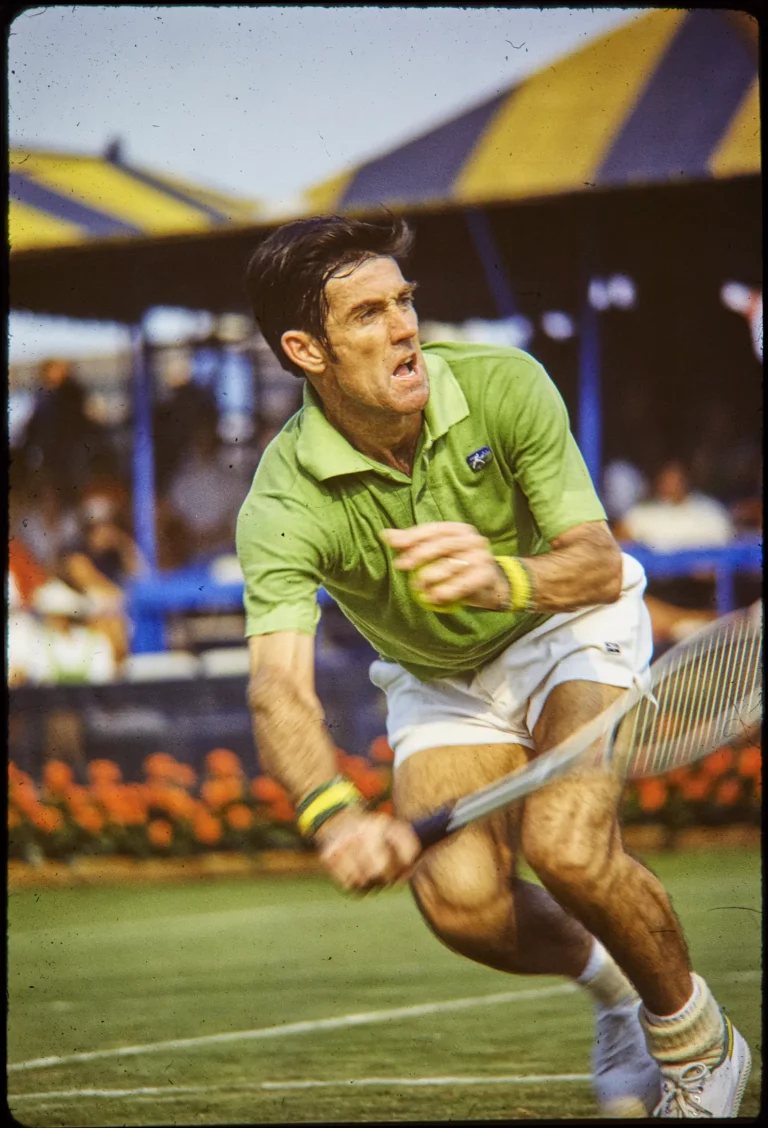
McGregor entered the tennis market in the 1950s through a contract with Don Budge, the first player to achieve a calendar-year Grand Slam, and further expanded in 1974 by signing stars Ken Rosewall and Wendy Overton to launch the “McGregor Competitors” line, reflecting their professional expertise. However, the brand struggled to establish market dominance through the 1980s and ultimately declined as it was overwhelmed by the formidable market share of competitors such as NIKE, ADIDAS, and CONVERSE.
50年代から「世界初の年間グランドスラム」覇者のドン・バッジと契約しテニス市場に参入したマクレガーは、1974年にケン・ローズウォールやウェンディ・オーバートンとも契約を締結し、彼らの知見を反映したテニスライン「McGregor Competitors」を投入しました。しかし、1980年代にかけて市場での優位性を確立するには至らず、既に強固なシェアを誇っていたNIKE、ADIDAS、CONVERSEといった競合ブランドに圧倒される形で、ブランドは衰退の道を辿ることとなりました。
1957
DON BUDGE
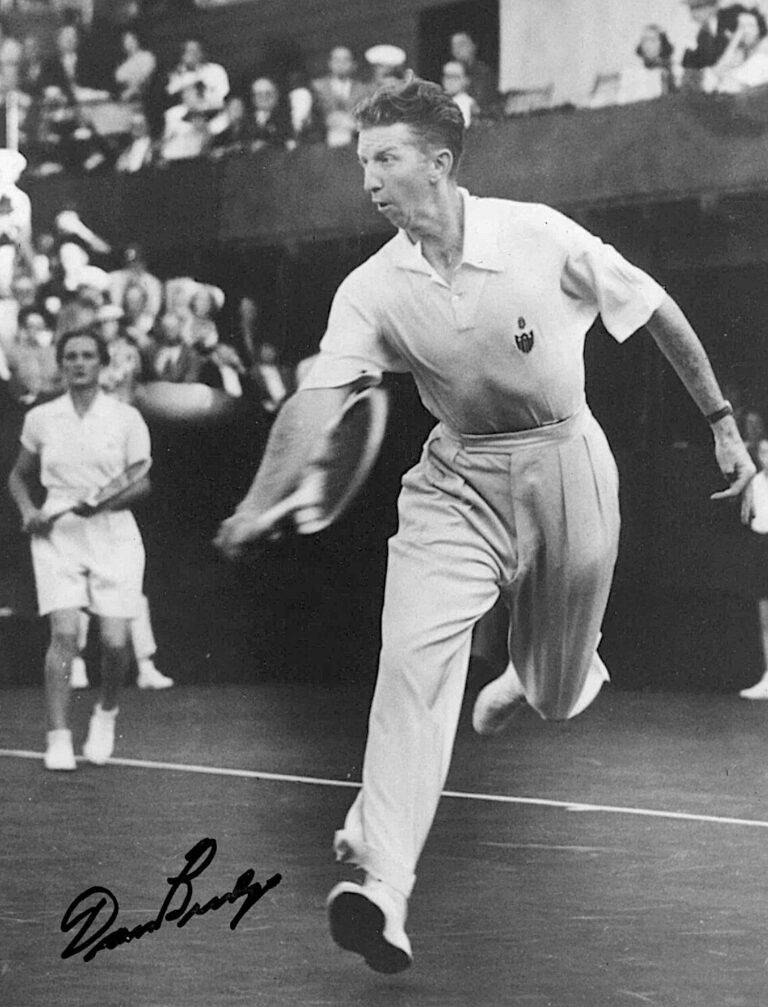
Don Budge was born in Oakland, California, in 1915. Although he devoted himself to baseball during his childhood, he began playing tennis under the influence of his brother and won the California State Junior Championship in 1930.
In 1937, he achieved the “Triple Crown” at both Wimbledon and the U.S. Championships by winning all three categories: singles, men’s doubles, and mixed doubles. He also led the U.S. team to its first Davis Cup victory in 11 years. The following year, in 1938, he conquered all four major tournaments—the Australian, French, Wimbledon, and U.S. Championships—becoming the first player in tennis history to achieve a “calendar-year Grand Slam.” Between 1937 and 1938, he recorded 40 consecutive wins in major tournaments and 92 consecutive wins in overall official matches.
Fred Perry V. Donald Budge
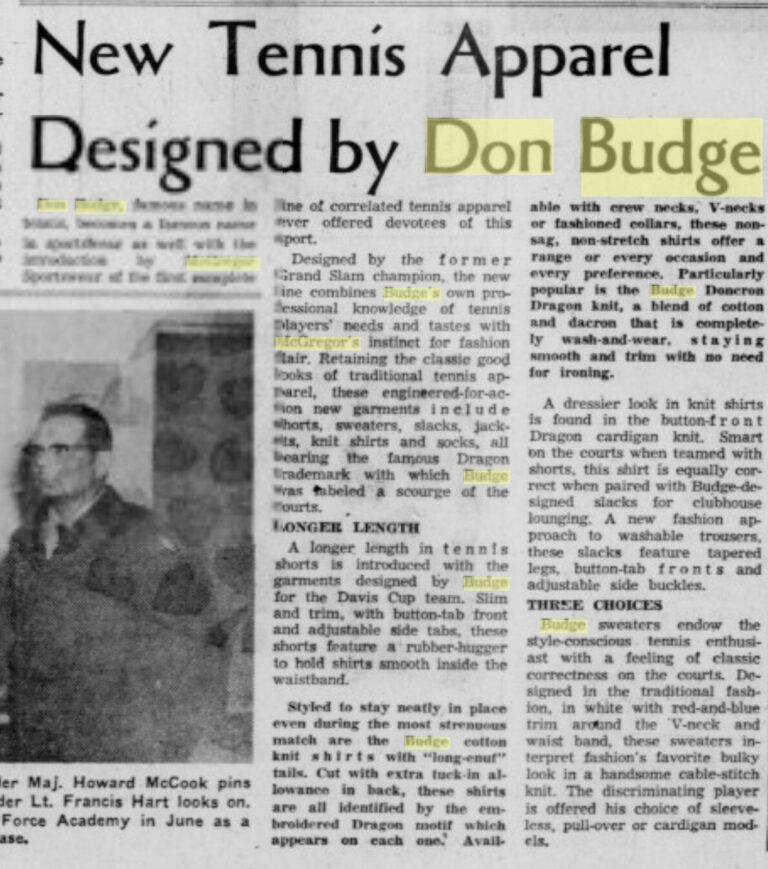
ドン・バッジがデザインした新しいテニスウェア
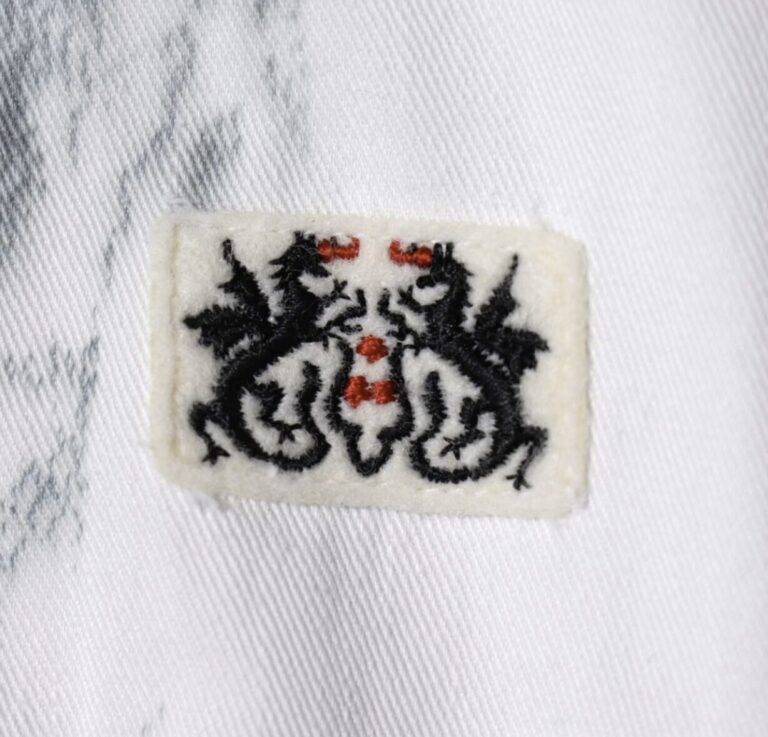
テニス界の有名人であるドン・バッジは、**マクレガー(McGregor)**スポーツウェア社による初の完全なテニスウェア・ラインの導入により、スポーツウェア界でも有名な名前になろうとしています。かつてのグランドスラム・チャンピオンによってデザインされたこの新しいラインは、バッジ自身のプロテニス選手としての知識と、テニスプレイヤーのニーズや好みに、マクレガーのファッション的感覚を融合させたものです。伝統的なテニスウェアのクラシックな外観を維持しつつ、これらの新しく設計されたウェアには、ショーツ、セーター、スラックス、ジャケット、ニットシャツ、ソックスが含まれ、そのすべてに、バッジがコート上で「恐怖の存在」と呼ばれていた頃の有名なドラゴンの商標が付いています。
丈の延長
デビスカップ・チームのためにバッジがデザインしたウェアでは、テニスショーツに長めの丈が導入されました。スリムで端正な、ボタン留めのフロントと調節可能なサイドタブを備えたこれらのショーツは、ウエストバンドの内側にシャツを固定するためのラバー・ハガー(滑り止め)機能を備えています。最も激しい試合中でも着崩れしないようにスタイルされたバッジのコットンニットシャツは、十分な長さの裾(”long-enuf” tails)が特徴です。背面の入れ込み部分に余裕を持たせてカットされたこれらのシャツは、それぞれに刺繍されたドラゴンのモチーフによって識別されます。クルーネック、Vネック、またはファッション・カラー(襟)が用意されており、これらの垂れ下がりにくいノンストレッチ・シャツは、あらゆる場面やあらゆる好みに対応するバッジを提供します。特に人気があるのは、コットンとダクロンの混紡である**バッジ・ドンクロン(Budge Doncron)**ドラゴンニットで、完全にウォッシュ・アンド・ウェア(洗ってそのまま着られる)が可能で、アイロンをかけずに滑らかで整った状態を保ちます。ニットシャツのよりドレッシーな外観は、ボタンフロントのドラゴン・カーディガン・ニットに見られます。ショーツと合わせたときにコート上でスマートに見えるこのシャツは、バッジがデザインしたクラブハウスでのくつろぎ用のスラックスと合わせても同様に適切です。ウォッシャブル・トラウザーズ(洗えるパンツ)への新しいファッション・アプローチであるこれらのスラックスは、テーパードレッグ、ボタンタブ・フロント、および調節可能なサイドバックルを特徴としています。
3つの選択肢
バッジのセーターは、スタイルを意識するテニス愛好家に、コート上でのクラシックな正当性の感覚を与えます。伝統的なファッションでデザインされた、Vネックとウエストバンドの周りに赤と青のトリムが付いた白のこれらのセーターは、ハンサムなケーブル編みのニットで、ファッションのお気に入りであるバルキー(厚手)なルックスを解釈しています。目の肥えたプレイヤーには、袖なし、プルオーバー、またはカーディガン・モデルの選択肢が提供されます。
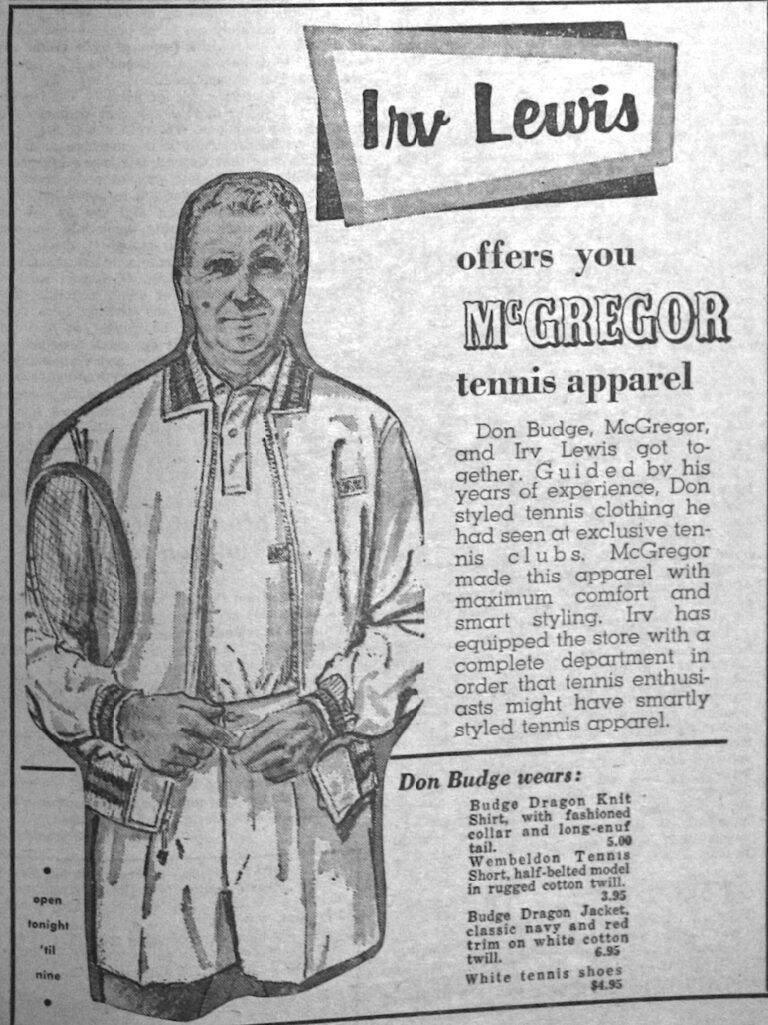
The Cornell Daily Sun, Volume LXXIII, Number 146, 17 May 1957
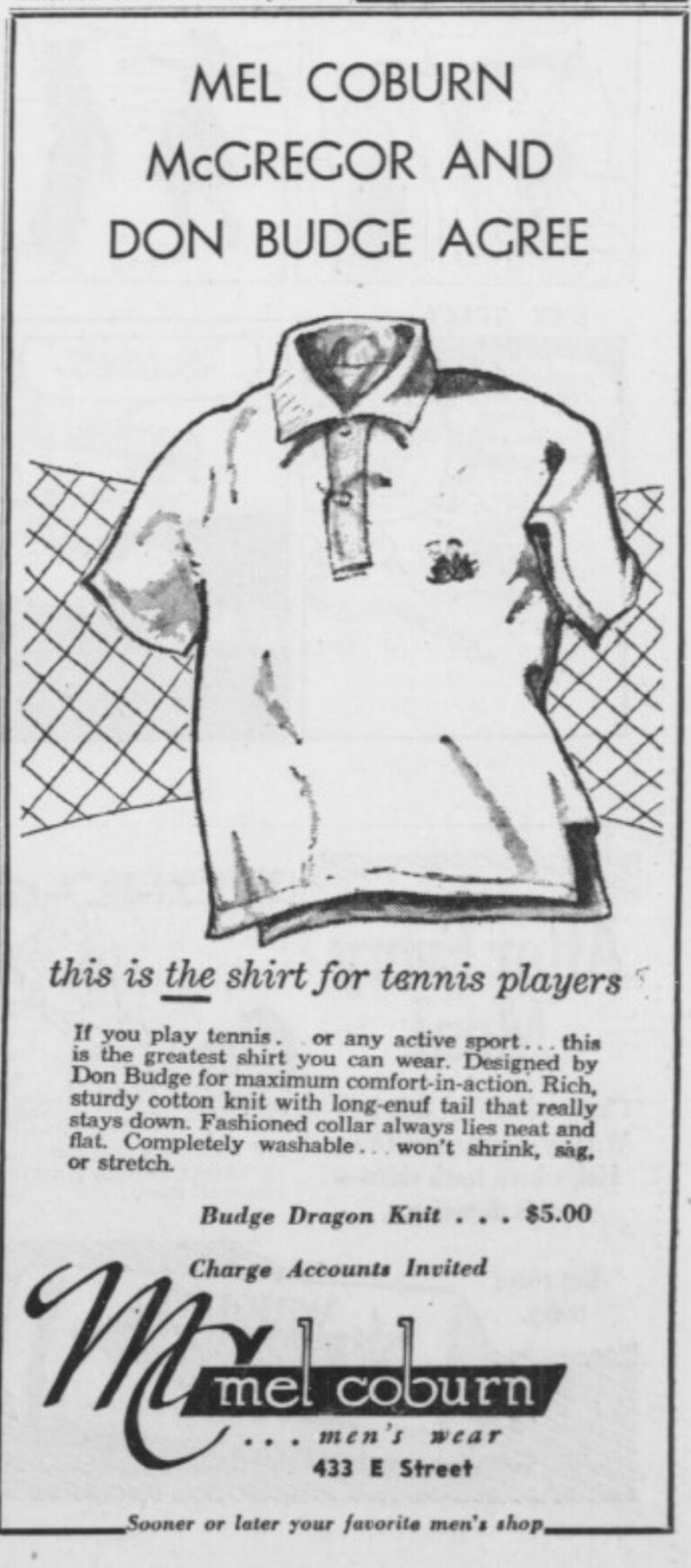
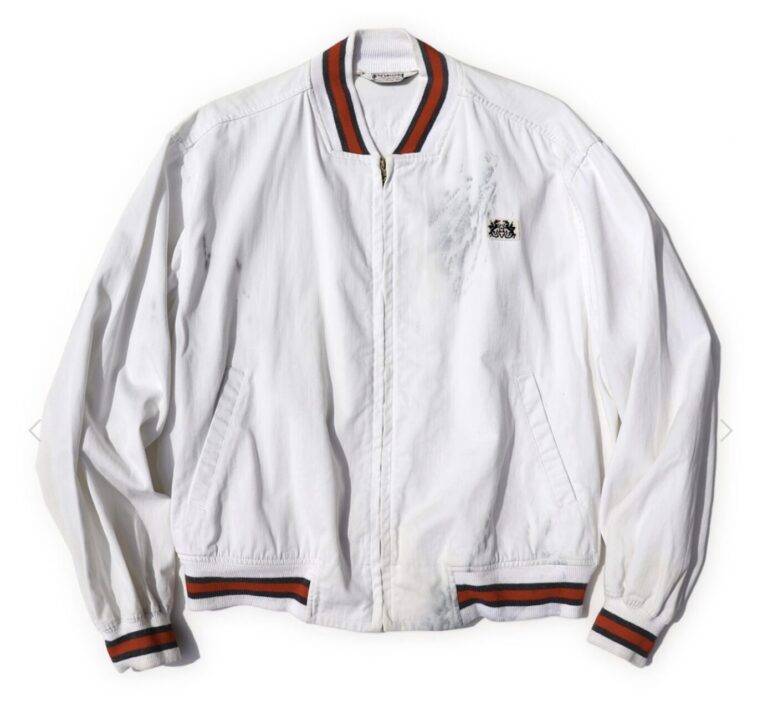
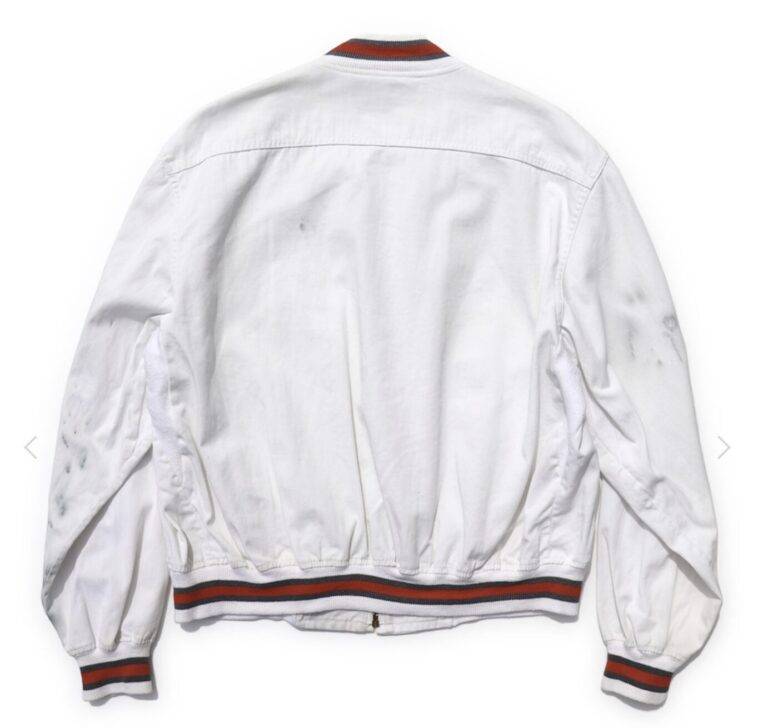
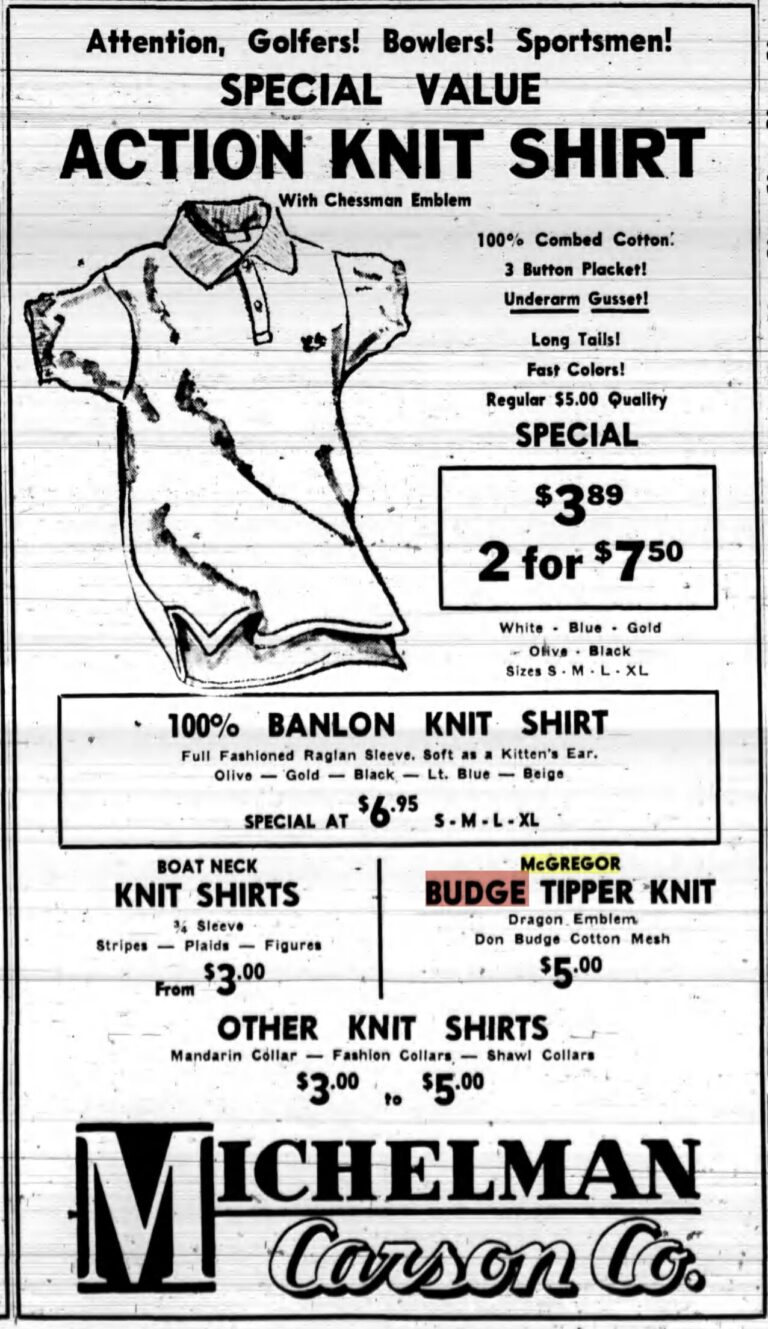
1960 Greenfield MA Recorder Gazette 1960 – 2436.pdf
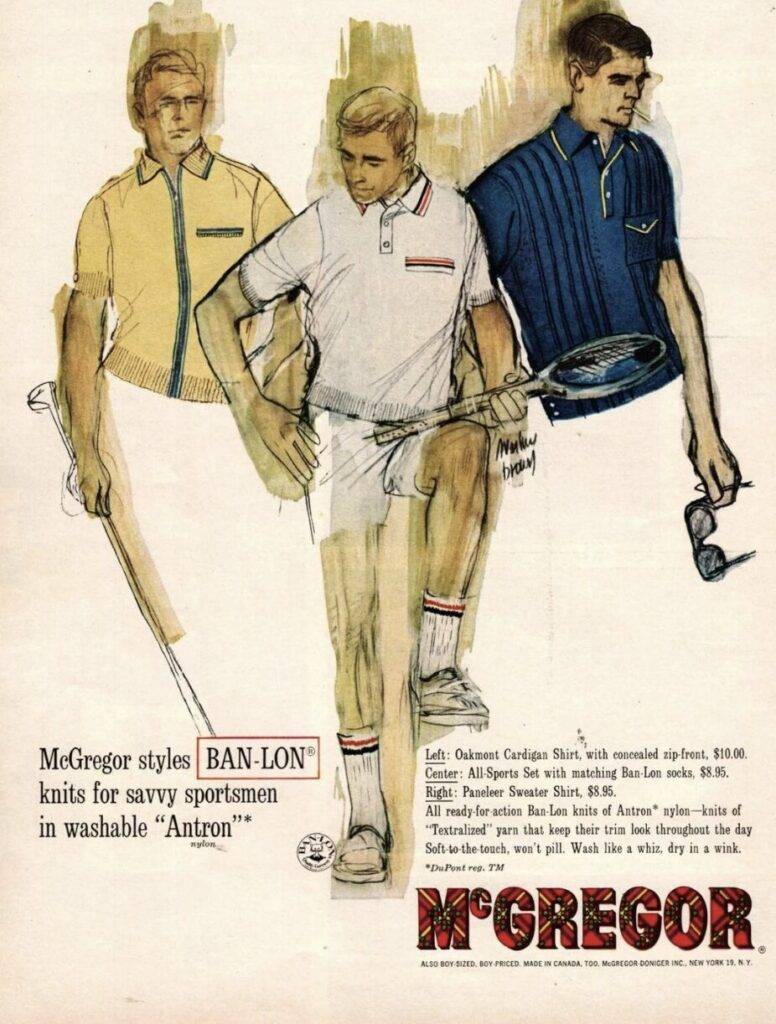
1963 1963 McGregor Ban-Lon Antron Nylon Golf Tennis Leisure
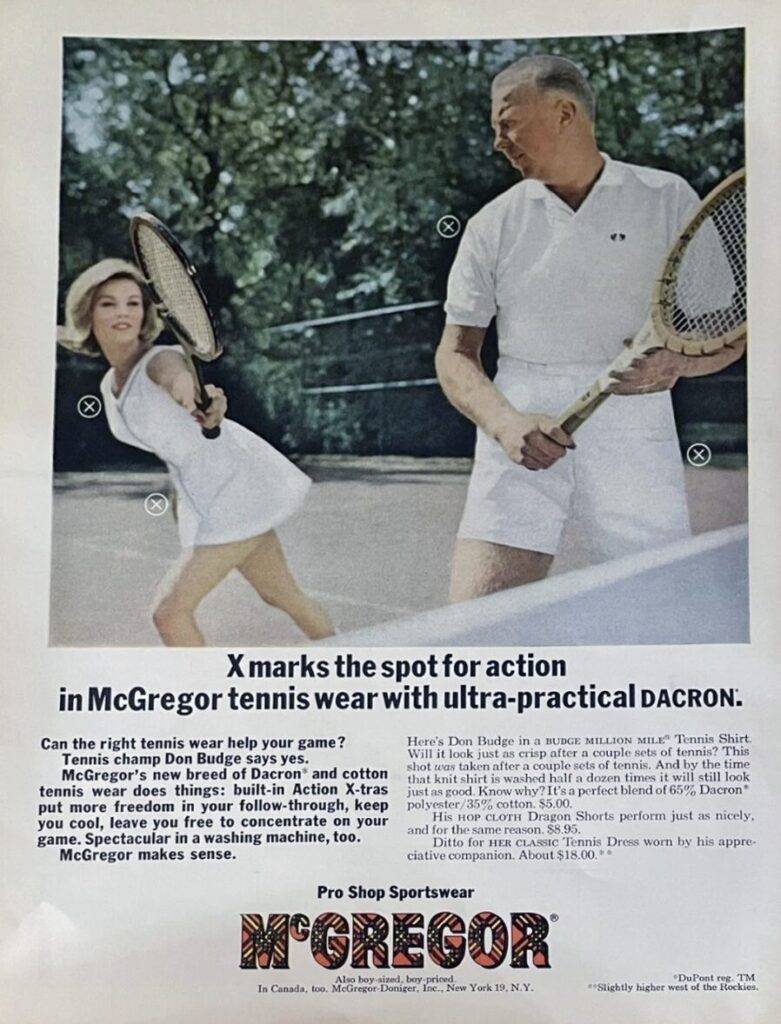
1964 MCGREGOR TENNIS SHIRT SHORTS
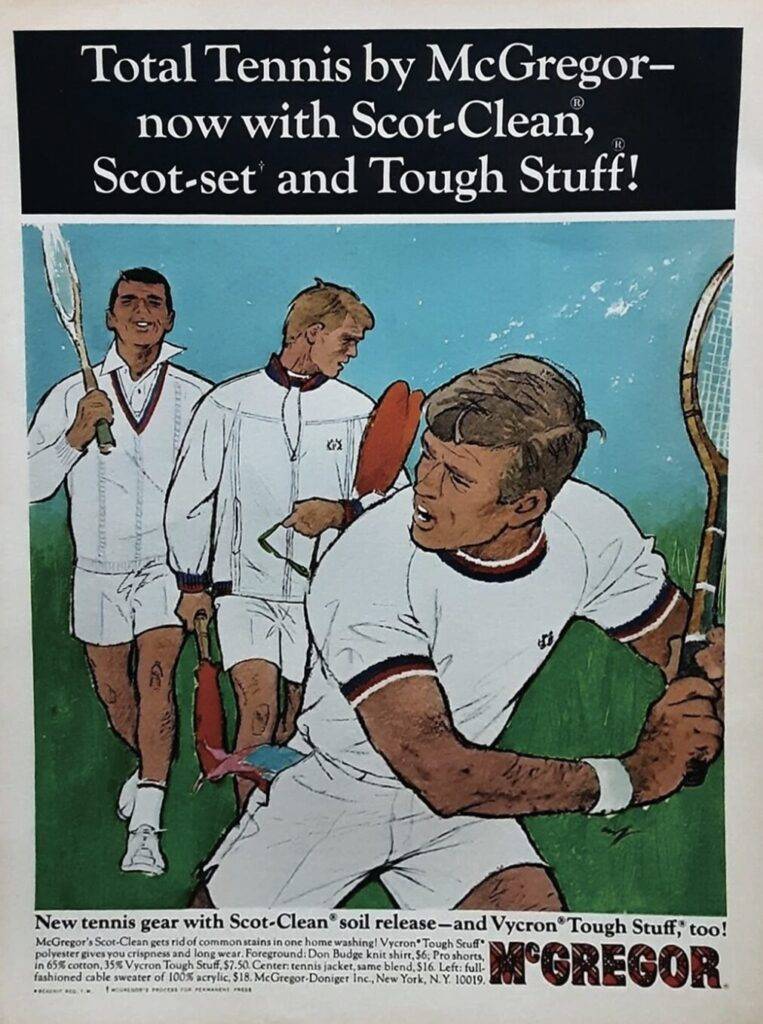
1968 Schwinn Collegiate Bike plus McGregor Tennis
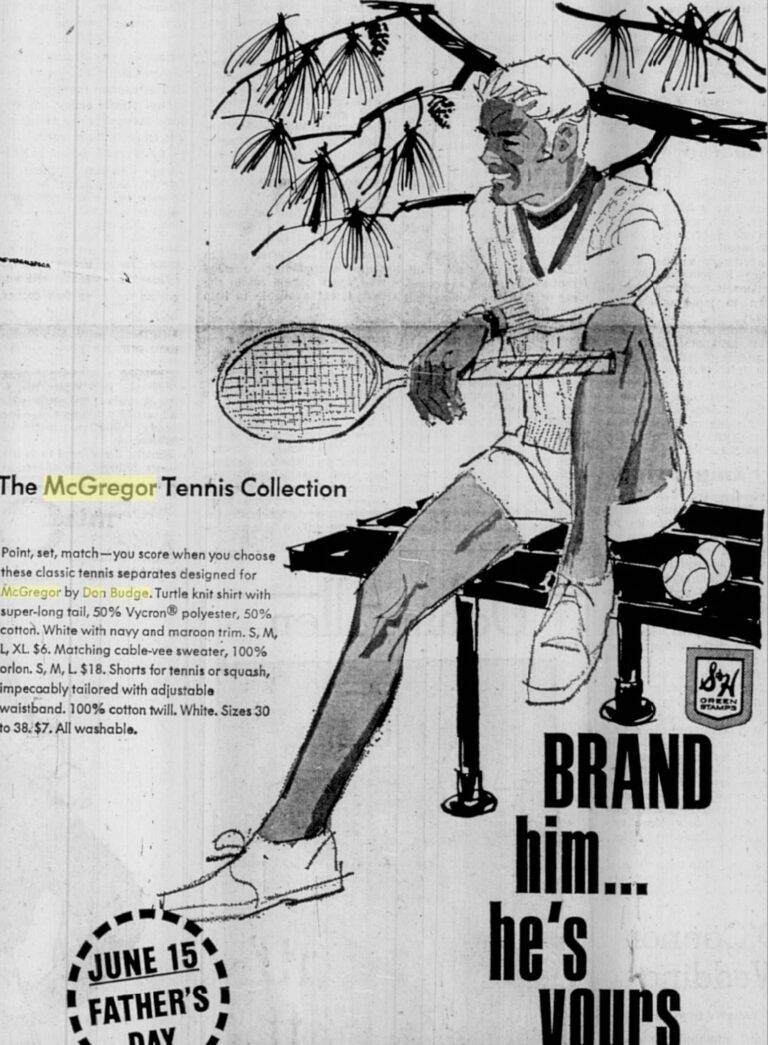
1969 The Rocky Mountain News (Daily), Volume 111, Number 48, June 8, 1969
1970s
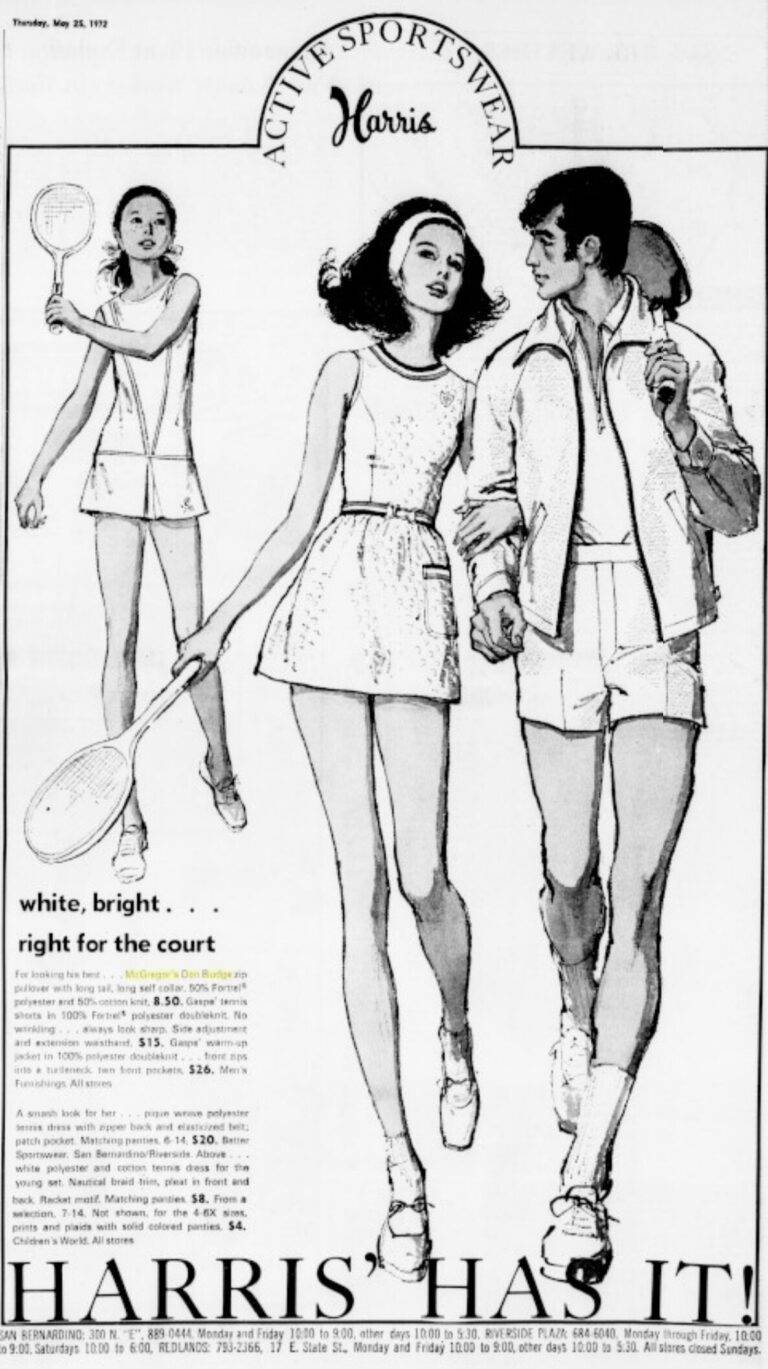
1972 San Bernardino Sun, Volume 67, Number 190, 25 May 1972
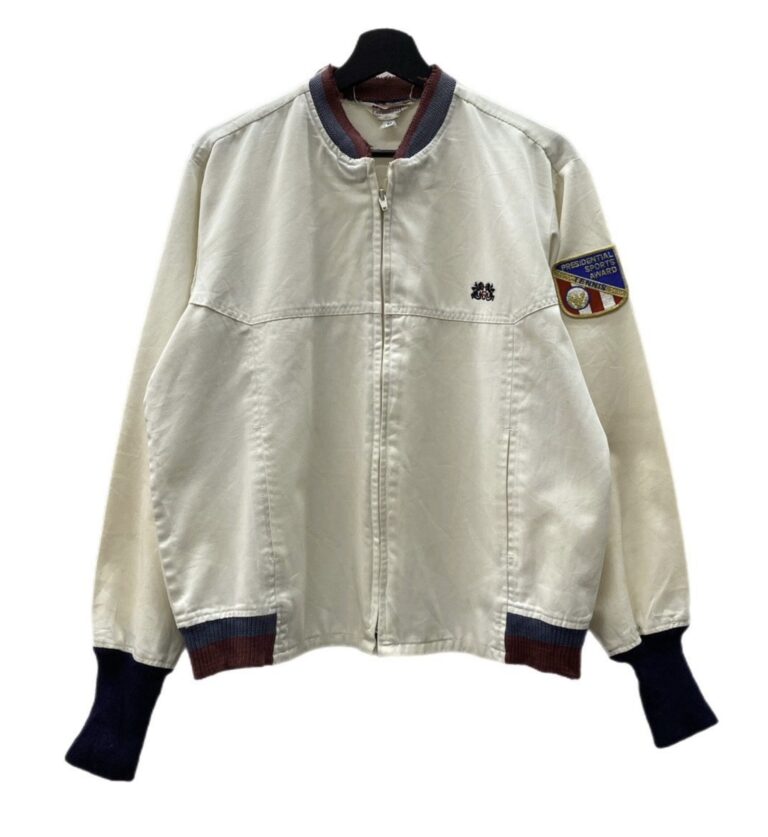
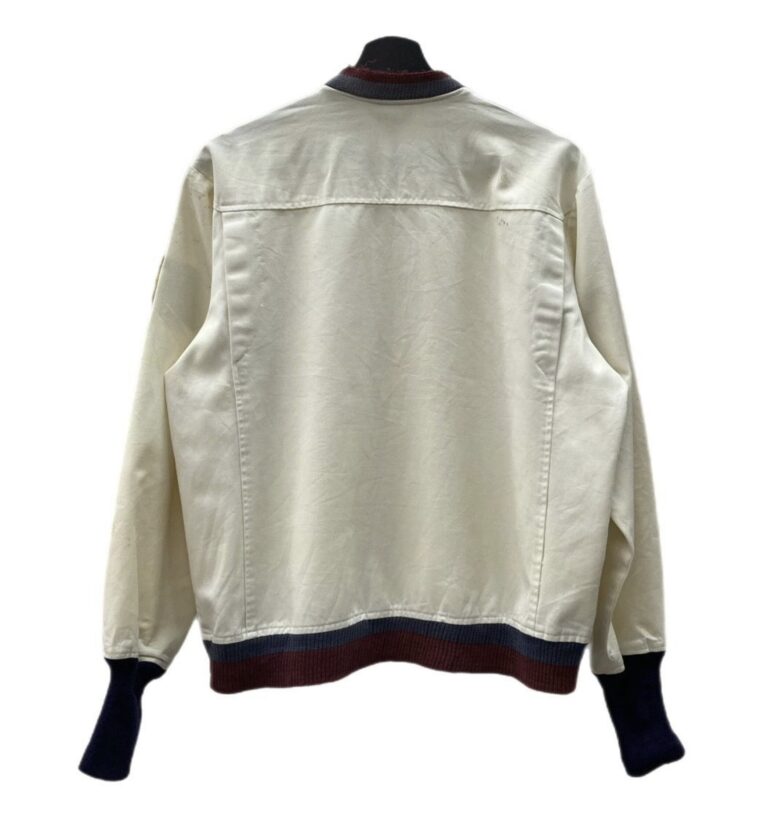
1974
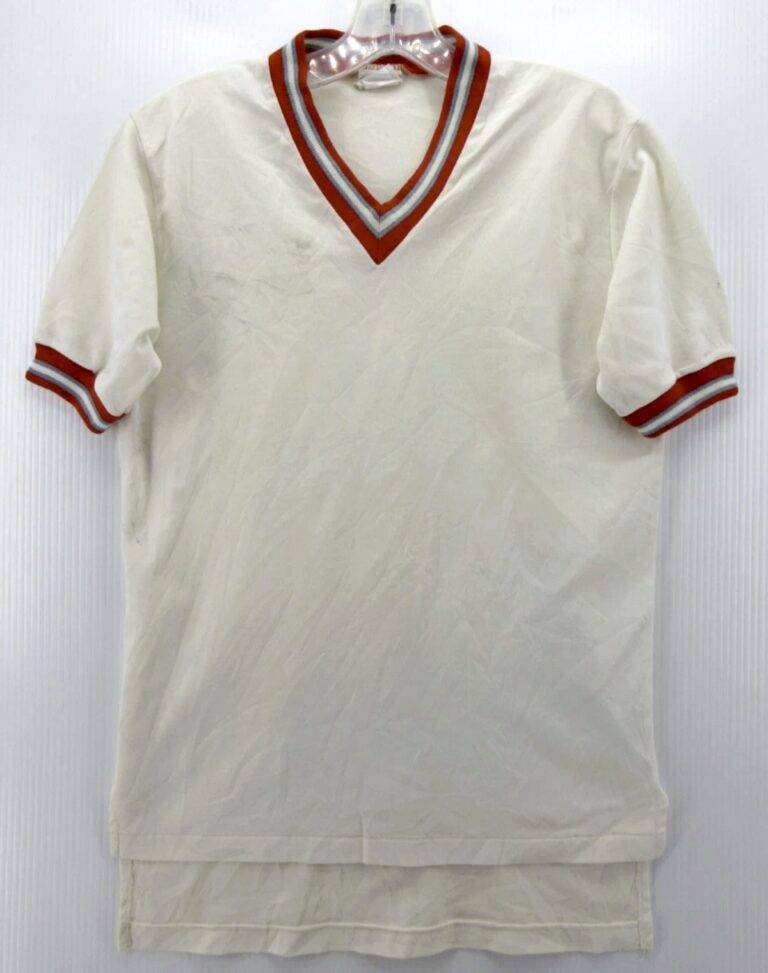
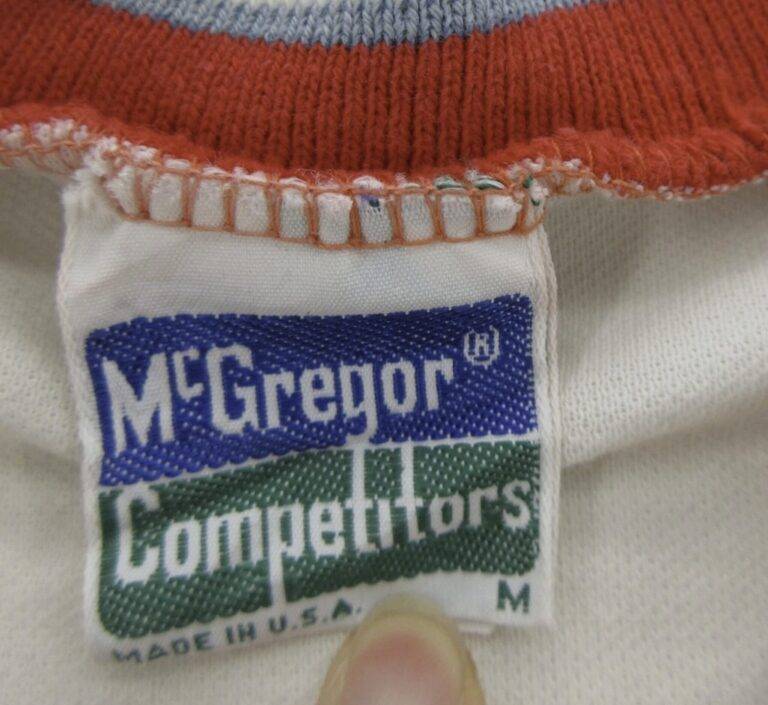
McGREGOR COMPETITORS®
1974年、マックレガーは新しい試みを始めます。よりスポーツ寄りのコレクションをスタートし、”コンペティター(Competitors)”という名前で販売を開始しました。テニスではドン・バッジに変わり、1950〜70年代を象徴するベテランで実力派のケン・ローズウォールや、当時の女子現役トップランカーであったウェンディ・オーバートンなど新選手とも契約し、彼らのサイン入りコレクションを展開します。この後にくるスポーツブランド(CONVERSE / NIKE / ADIDAS)の躍進により厳しい立場になってしまう中で、企業買収へと向かっていくことになります。

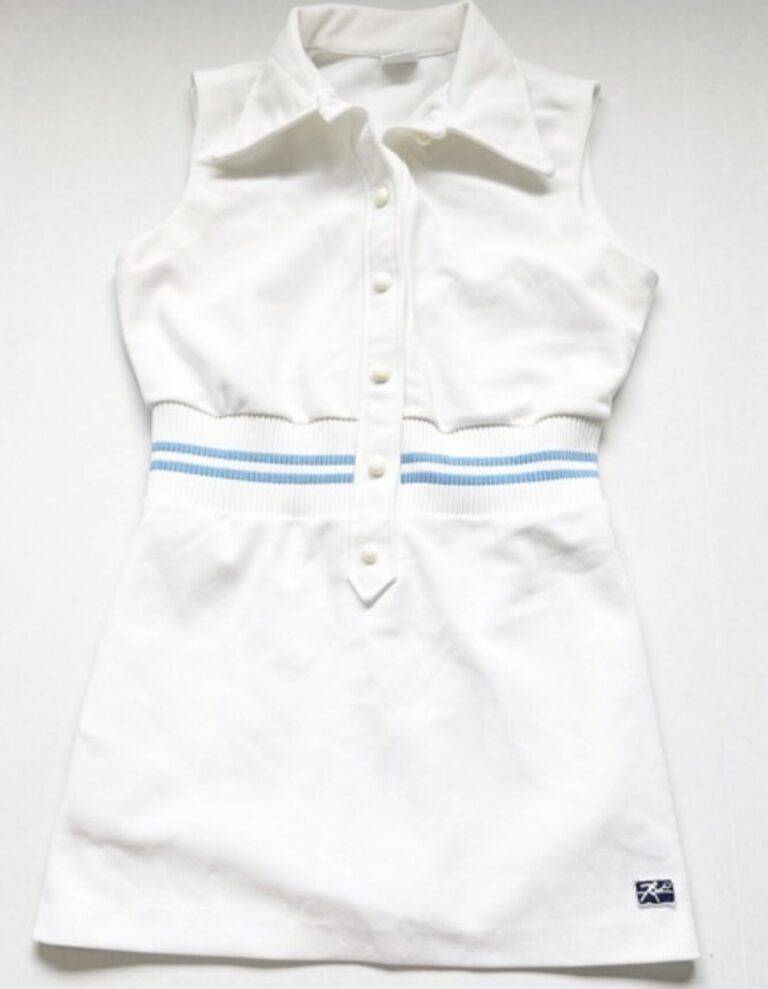
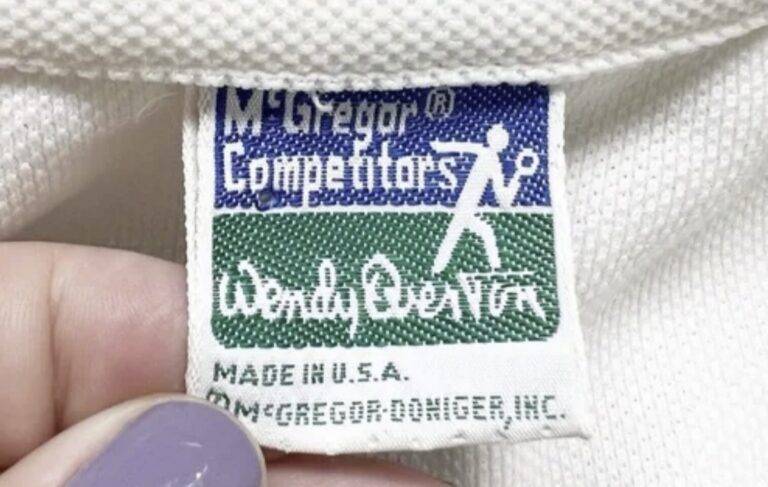
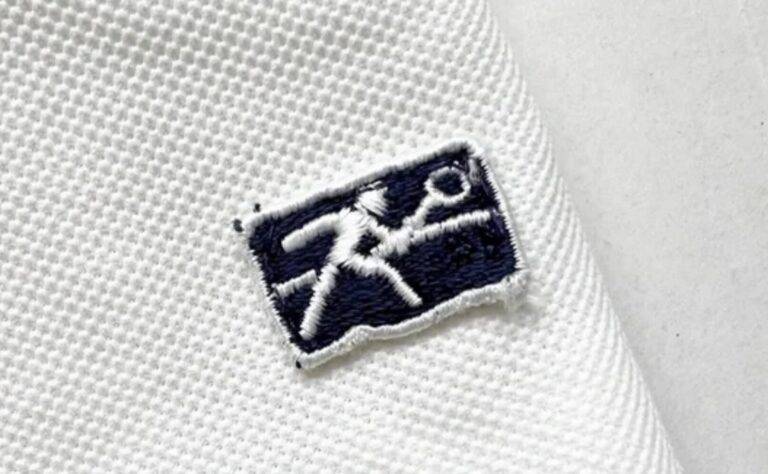
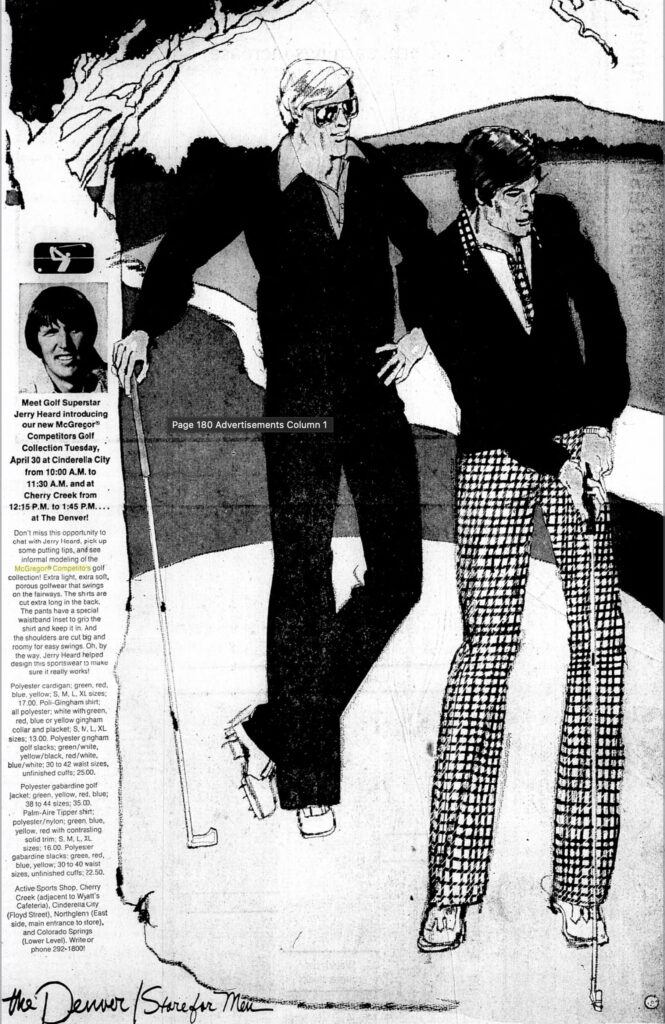
百貨店「The Denver」によるマックレガー・コンペティターズ(McGregor Competitors)のゴルフ・コレクションの広告です。
主な内容は以下の通りです。
イベント情報
ゲスト: ゴルフ界のスーパースター、ジェリー・ハード(Jerry Heard)
日時: 4月30日(火)
10:00 A.M. – 11:30 A.M.(シンデレラ・シティにて)
12:15 P.M. – 1:45 P.M.(チェリー・クリークにて)
内容: ジェリー・ハードによる新しいゴルフ・コレクションの紹介、パッティングのヒント、インフォーマルなモデル・ショーなど
商品の特徴
ジェリー・ハード自身が開発に携わり、機能性を追求したウェアであることが強調されています。
・シャツ: フェアウェイで映える非常に軽く、柔らかく通気性のある素材を使用。背面の丈が長めにカットされています。
・パンツ: シャツが外に出ないように、ウエストバンドの内側に特殊なインセットが施されています。
・設計: 肩周りはスイングしやすいように大きく、ゆったりとカットされています。
・価格とラインナップの例ポリエステル・カーディガン: 17.00ドル
・ギンガムチェックのゴルフ・スラックス: 25.00ドル
・ポリエステル・ギャバジン・ゴルフジャケット: 35.00ドル
・Palm-Aire Tipper シャツ: 16.00ドル
1988
1980年代後半、マックレガーの名を冠する法人は、衣料品の製造文脈を超えた大型金融取引の主体として公的記録に登場します。1988年7月1日、American Brands はその子会社群である E-II Holdings を McGregor Acquisition Corp. へ売却しました。裁判記録(1988年)によれば、同法人はリクリス家の持株会社(Riklis Family Corp.)の子会社であると記されています。この時期、マックレガーという名称は、少なくとも法人格としては、企業買収を遂行するための「金融的な器」として機能していました。
1990年代に入ると、親会社である Rapid-American Corporation (RAC) はアスベスト関連訴訟による巨額の負債を抱え、経営危機が表面化します。リクリスはブランド権を負債から守るため、RACの直接支配下から商標を切り離す法的再編を行いました。1990年、米国における商標名義は従来の McGregor Corporation から、新たに設立された McGregor II, LLC へと移行。1991年には同社名義で「MCGREGOR」商標の再登録が完了しました。この再編により、RAC本体が沈みゆく中でも、マックレガーの商標権は隔離・保全され、Stage II などのライセンシーによる製品製造は継続されるという「二層構造」が決定定的となりました。1990年代後半から、欧州でマックレガーのライセンスを展開していたオランダの McGregor Fashion Group(後の McGregor IP B.V.)が、断片化していた世界各地の商標権を買い集め、統合する動きを強めました。
2000年代初頭までに、米国側の権利(McGregor II, LLC等)もこのオランダ法人へと譲渡され、ブランドの主権は創業の地アメリカから完全にヨーロッパへと移りました。これにより、リクリス時代の複雑な持株構造から切り離されたマックレガーは、再び「アパレル専業のブランド」としての経営基盤を回復しました。その後、2017年にはさらに McGregor International B.V. へと商標ポートフォリオが引き継がれ、現在の知的財産管理体制へと収斂しています。
By contrast, a different form of historical continuity can be observed in Japan during the same period. In 1963, Nichimen Jitsugyo (later Nichimen, now part of the Sojitz group) entered into a partnership with McGregor-Doniger, acquiring exclusive trademark usage rights and business know-how for the Japanese market. Formed under conditions of foreign exchange regulation, this agreement may be positioned as a pioneering case in the history of brand business in Japan.
Amid the expansion of consumer culture during the period of high economic growth, McGregor was received as a brand emblematic of the Ivy League look, and its business foundation was institutionally strengthened around Nichimen Apparel, established in 1965. The enterprise has since been continuously inherited and maintained.

DONIGER BROTHERS
BEFORE Mcgregore