
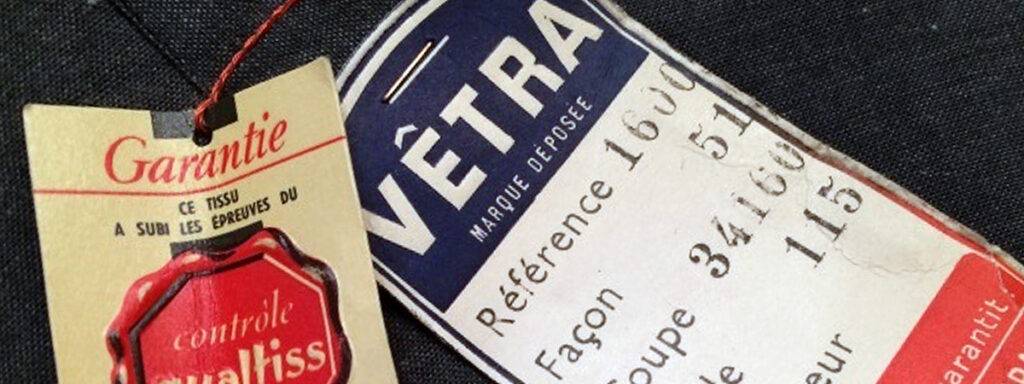
VÊTRA / DANTON
On French workwear
In recent years, there has been a feeling that American vintage clothing has been fully unearthed, and the trend has been shifting toward European vintage. Especially in Japan, French workwear seems to be enjoying a significant surge in popularity, albeit sporadically. What we sense from French products, much like their automobiles, is “Esprit”—a unique interpretation of product design not found in the U.S. or the U.K. Among these, I investigated VÊTRA, a long-established brand, and DANTON, which is currently a smash hit in Japan.
ここ数年、アメリカのヴィンテージ古着は完全に出尽くした感があり、トレンドの主軸はヨーロッパへとシフトしています。特に日本では、フランス製のワークウェアが断続的なブームを経て、今や確固たる人気を博しています。フランス製品に宿る魅力は、同国の自動車にも通ずる、米英とは一線を画す独自のデザイン解釈——いわゆる『エスプリ』にあります。本稿では、その代表格である老舗のVÊTRA(ベトラ)と、現在日本で大きな成功を収めているDANTON(ダントン)について調査しました。
19c
1844 Adolphe Lafont
1845 Molinel(AU MOLINEL)
1889 Saint James
1894 LE SANS PAREIL
1895 LE TRAVAILLEVR GALLICE
Belle Époque (circa 1900)
1905 À l’Ouvrier
1913 Le Mont St Michel
AFTER WW1
1927 Vétra
1927 Hervier Productions
1928 Le Glazik
1931 Danton
1935 KIDUR
1938 Armor-Lux
1939 Orcival
AFTER WW2
1954 ODON-DELCOIX
1956 Le Laboureur
1964 GUY COTTEN
1964 Vincent et Mireille
However, apparel manufacturing in France has become increasingly oligopolistic in recent years, and in reality, there are many skeletal brands that exist with nothing more than their trademark rights. At the same time, the existence of “MADE IN FRANCE” brands that possess both a genuine history and their own factories for production is something akin to a gemstone. (Though it is even rarer for the founding family to have maintained the same capital throughout.)
このウェブサイトは、正しい理解を再確認するためにブランドの歴史を調査しており、その過程で、しばしば魅力的な歴史を発見することがあります。特に、繊維産業は常に国家の経済発展の最前線に位置してきたため、これらの発展を歴史的背景と照らし合わせることが重要であると感じています。特にワークウェアは、その国の時代を象徴することがよくあります。産業が発展するにつれて、労働者の数もそれに伴って増加し、革新的な技術が登場して大量生産され、やがて一般的になっていきます。デニム、チノ、ナイロンといった素材は、その過程を物語っているようです。(もちろん、背景要因としての戦争の役割も忘れてはなりません)
しかしながらフランスのアパレル製造は近年ますます寡占化が進んでおり、実際のところは多くは商標権だけしか生きていない形骸化したブランドが多数存在します。それと同時に歴史もありしっかりと工場も持って生産している”MADE IN FRANCE”も存在しているのは一種の宝石みたいなものでしょう。(ただし創業家がずっと同じ資本でやっていることはさらに極少になりますが)
1. Brand Founding
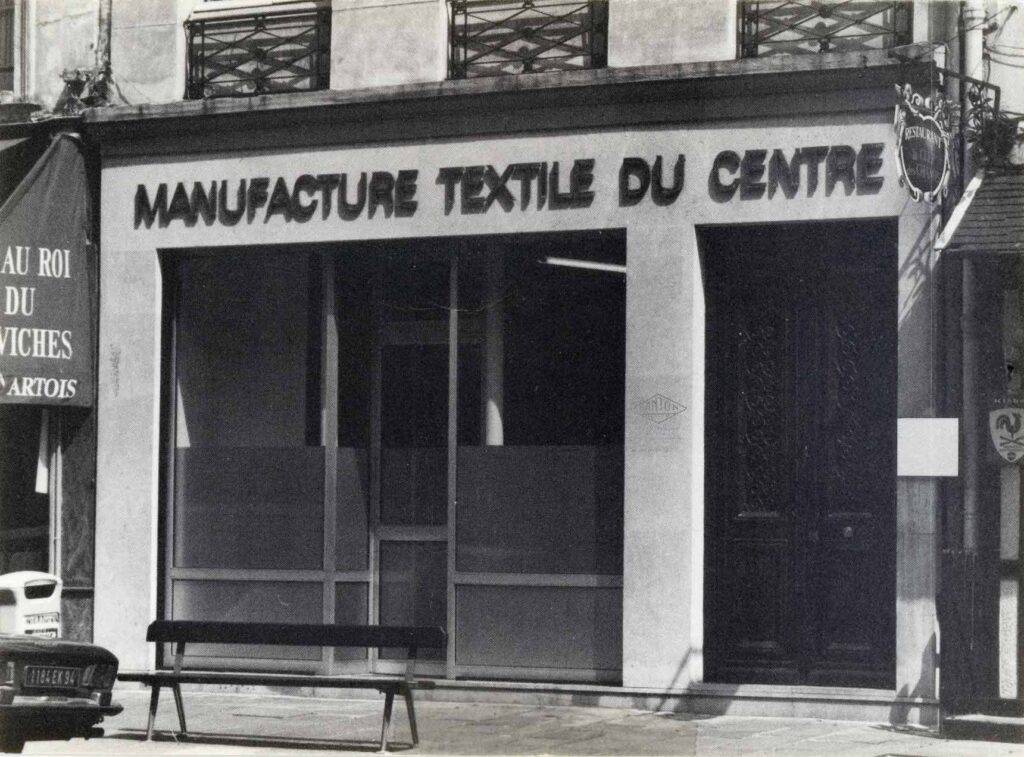
1931: Gabriel Danton founded Manufacture Textile du Centre (M.T.C) with his sister in Châtres-sur-Cher, central France.
1935: Gabriel bought out his sister’s share and registered the “DANTON” brand and the “red diamond logo” at the Paris Trademark Court.
2. Growth as Workwear
Products: The company manufactured cook coats, chef pants, tennis wear, gardening aprons, work jackets, and overalls.
Location: They maintained an office and warehouse at 40 rue Croix des petits champs in the 1st arrondissement of Paris, supplying products to uniform shops throughout the city.
3. Supply to Public Institutions
Achievements: From the 1970s to the 1980s, the company supplied uniforms to the following organizations:
・City of Paris (Mairie de Paris)
・French National Railways (S.N.C.F.)
・Paris Transport Authority (R.A.T.P.)
4. Transition of Manufacturing and Connection with Japan
1989: The company’s own factory in Châtres was closed. Manufacturing was subsequently transferred to other factories within France (such as in Flers and Le Lude).
2016: BOYS Co., Ltd. acquired the global exclusive distribution rights for the DANTON brand.
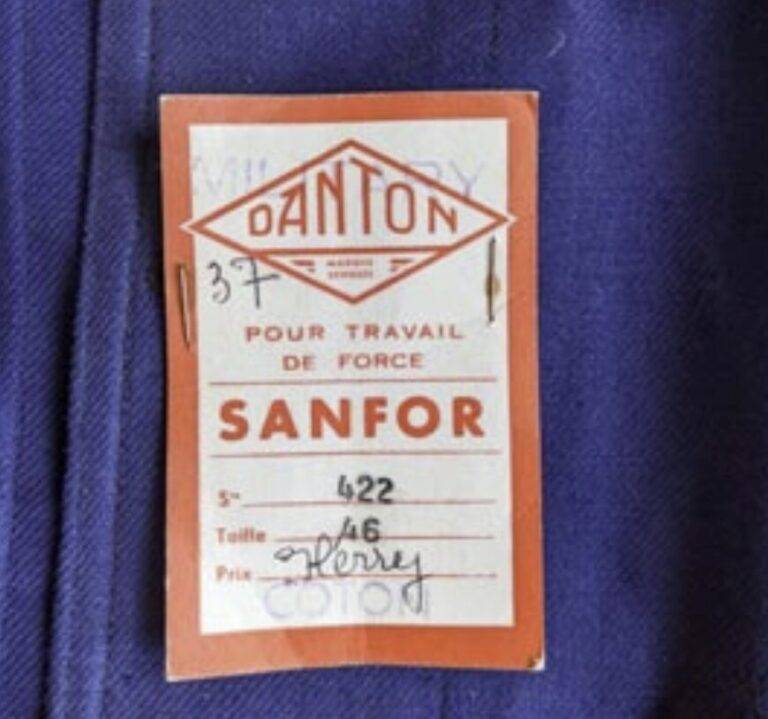
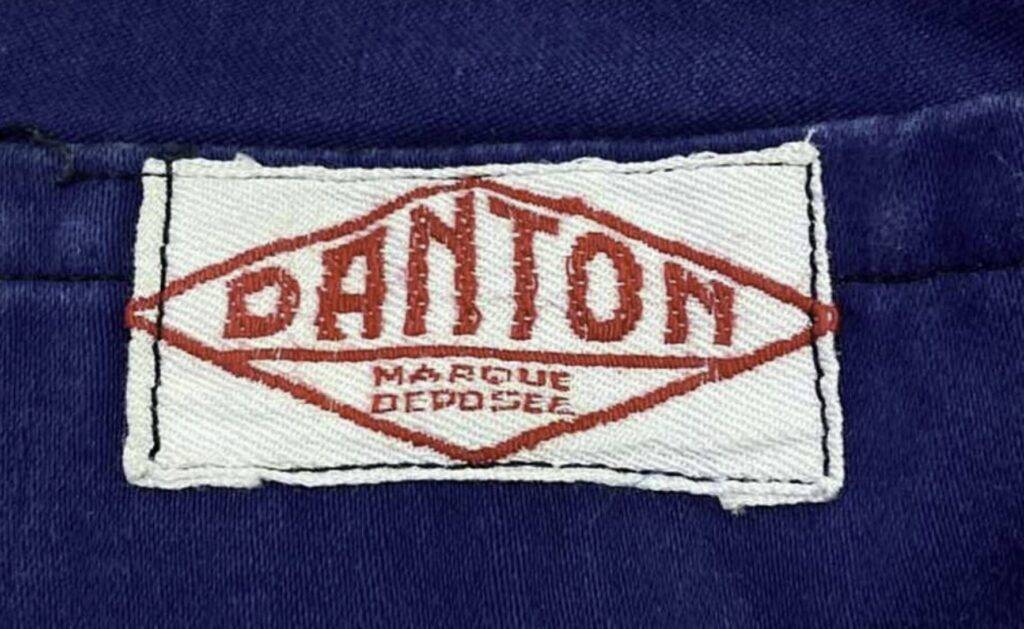
1950s DANTON OLD TAG
近年、DANTONはアジア、特に日本において最も成功したブランドの一つとなりました。私の知る限り、当初はそれほど有名なブランドではありませんでしたが、2000年以降、日本で急速に人気が高まりました。この成長は、神戸に拠点を置く日本の代理店による積極的な事業拡大がきっかけとなりました。現在、ブランドはアジア市場全体に拡大しており、売上高は100億円を超えるまでに成長しています。
DANTONの歴史
1. ブランドの創設
1931年: ガブリエル・ダントンが姉とともに、フランス中部のシャートル・シュル・シェールに「Manufacture Textile du Centre (M.T.C)」を設立。
1935年: ガブリエルが姉の持分を買い取り、「DANTON」ブランドと「赤色のひし形ロゴ」をパリの商標裁判所に登録。
2. ワークウェアとしての成長
製品: コックコート、シェフパンツ、テニスウェア、ガーデニングエプロン、ワークジャケット、オーバーオールなどを製造。
拠点: パリ1区の「40 rue Croix des petits champs」にオフィスと倉庫を構え、パリ市内のユニフォームショップへ商品を供給。
3. 公的機関への納入
実績: 1970年代から1980年代にかけて、以下の機関に制服を納入:
・パリ市(Mairie de Paris)
・フランス国鉄(S.N.C.F.)
・パリ交通公団(R.A.T.P.)
4. 製造体制の変遷と日本との繋がり
1989年: シャートルの自社工場が閉鎖。その後、製造はフランス国内の他の工場(フレールやル・リュドなど)へ移管。
2016年: 株式会社ボーイズ(BOYS Co., Ltd.)がDANTONブランドの全世界における独占販売権を取得。
実際のところは、残念ながら彼らも商標権だけのブランドになってしまったということでしょう。しかしブランドとしては、これだけの売上高を上げているので成功と言えるでしょう。日本の街中を歩いていると、女性だけでなく男性も着用しているので、このひし形のマークを見ない日はありません(特に冬は)。
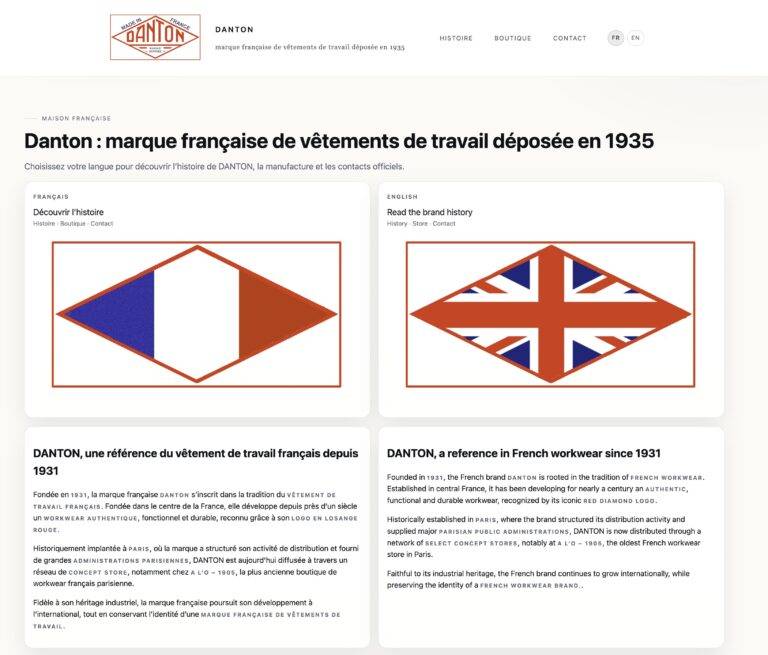
DANTON WEBSITE
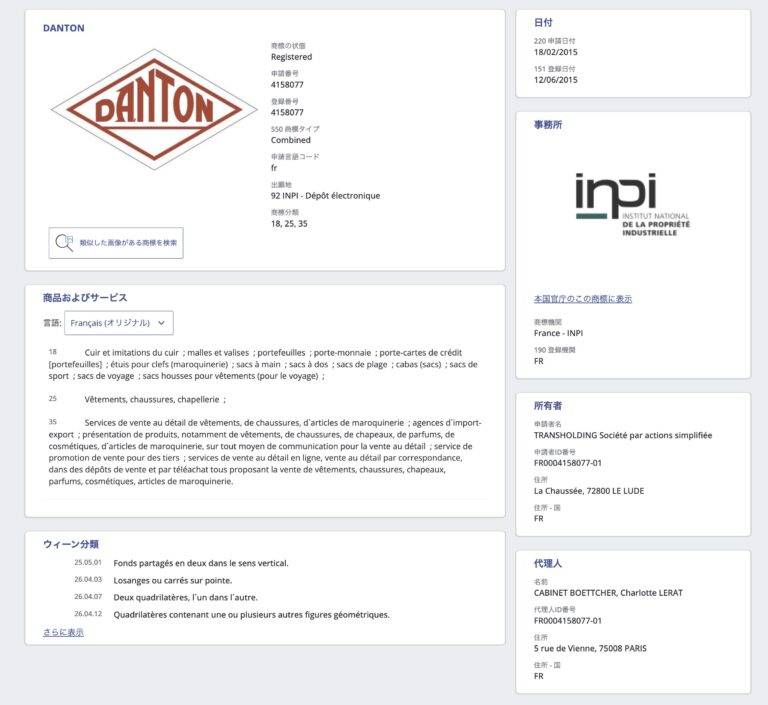
Looking at the address of TRANS HOLDING SAS, the company that registered the DANTON trademark, reveals something interesting.
Their address is “La Chaussée, 72800 LE LUDE,” but if you search for that address, the sign at the entrance says “VETRA.” This shows that VETRA and DANTON are managed by the same company. Furthermore, this trademark management company also owns “LE GLAZIK (1929).”
TRANSHOLDING(DANTONの商標を登録している会社)の住所を見てみると、興味深いことが分かります。
その住所は 「La Chaussée, 72800 LE LUDE」 となっていますが、この住所を調べると、入口の看板には 「VETRA」 と書かれています。つまり、VETRA と DANTON は同じ会社によって管理されていることが分かります。さらに、この商標管理会社は 「LE GLAZIK(1929)」 も所有しています。

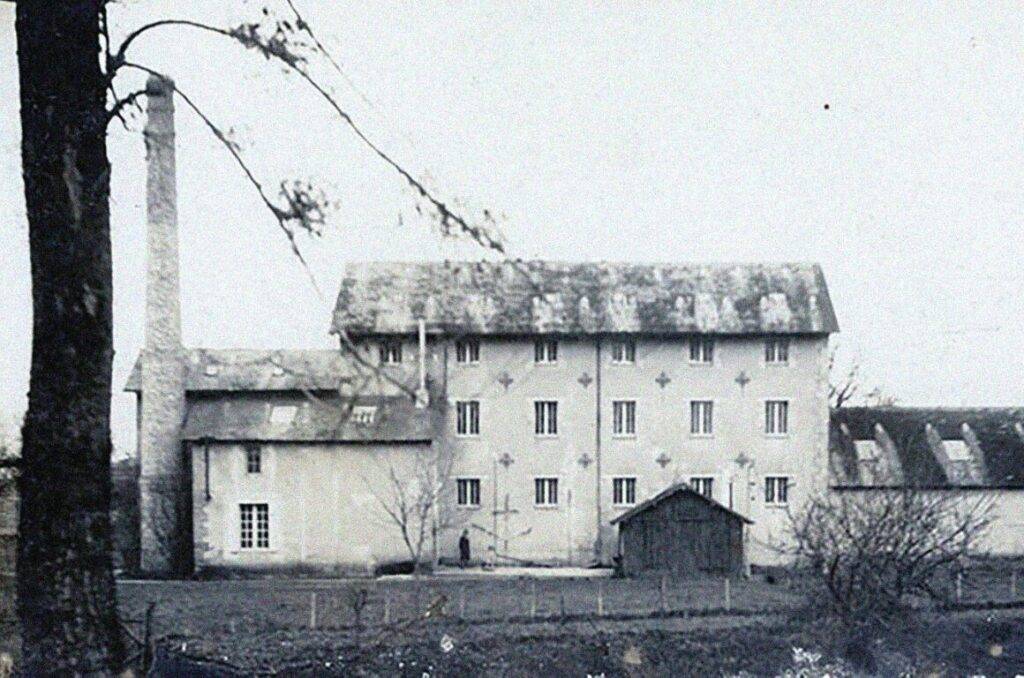
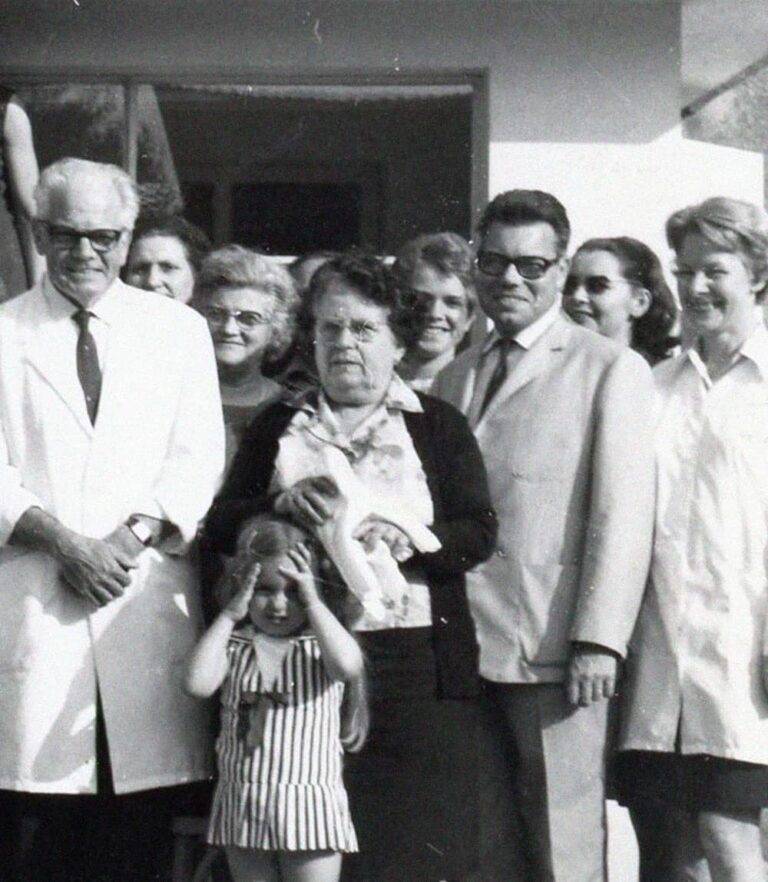
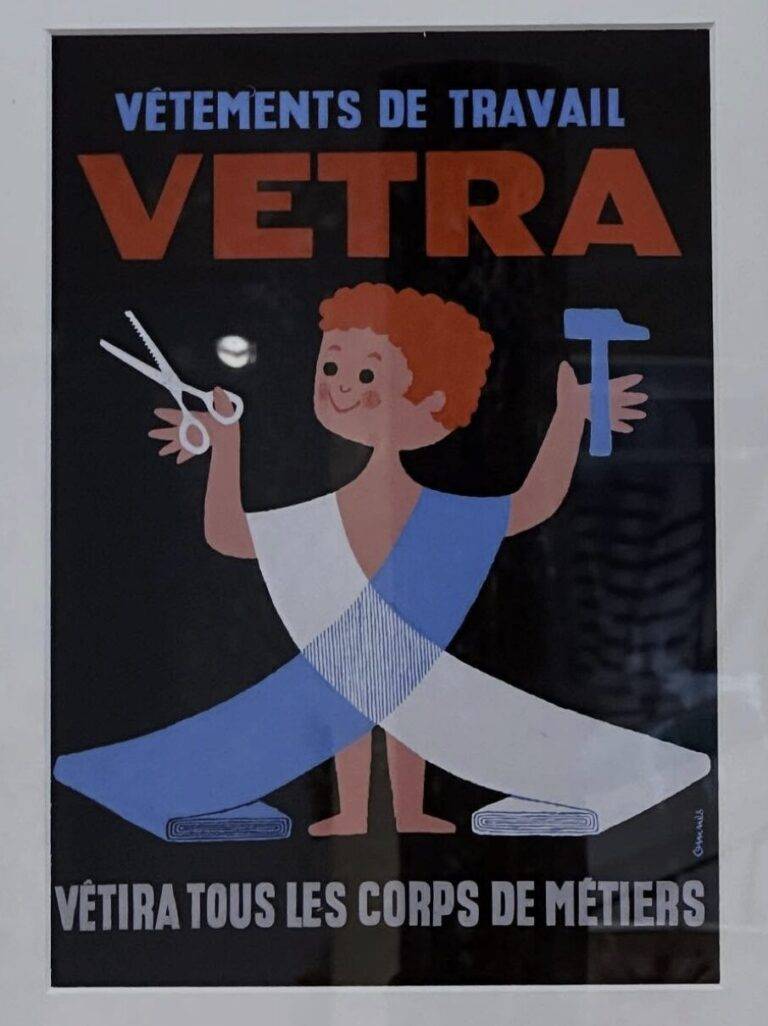
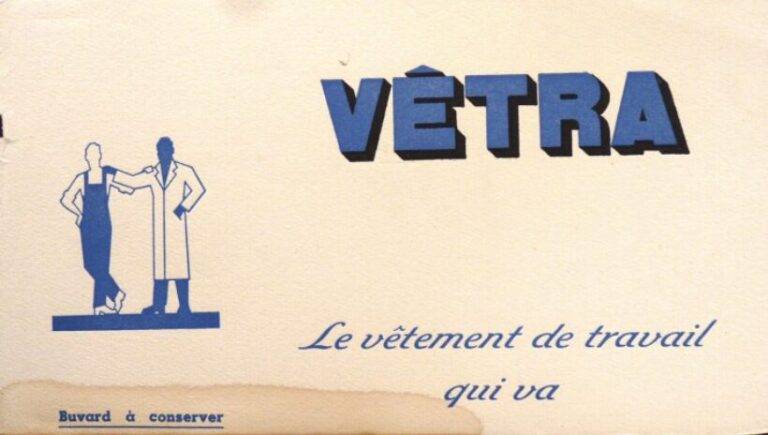
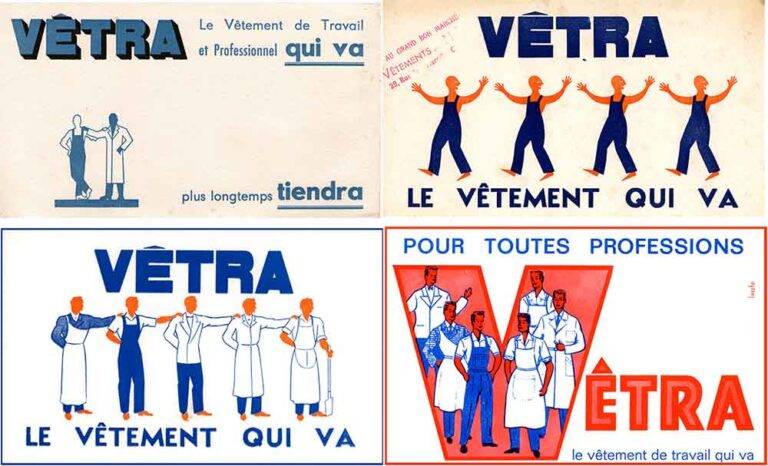
Modernization and Consolidation of Brand Management (1970s–Present)
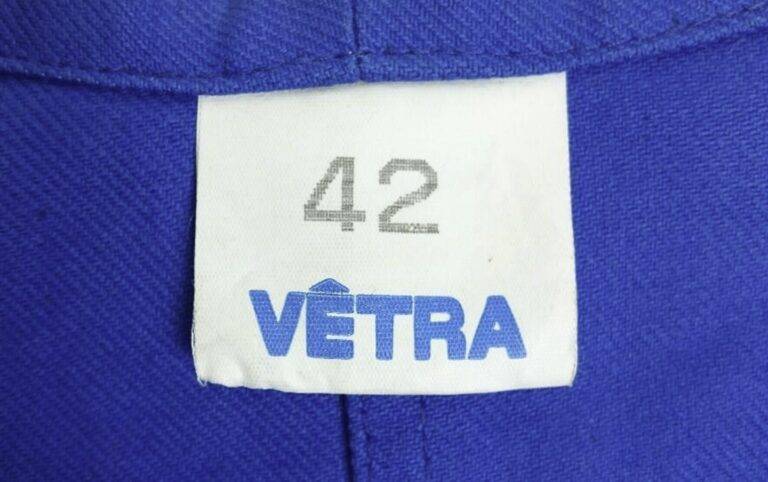
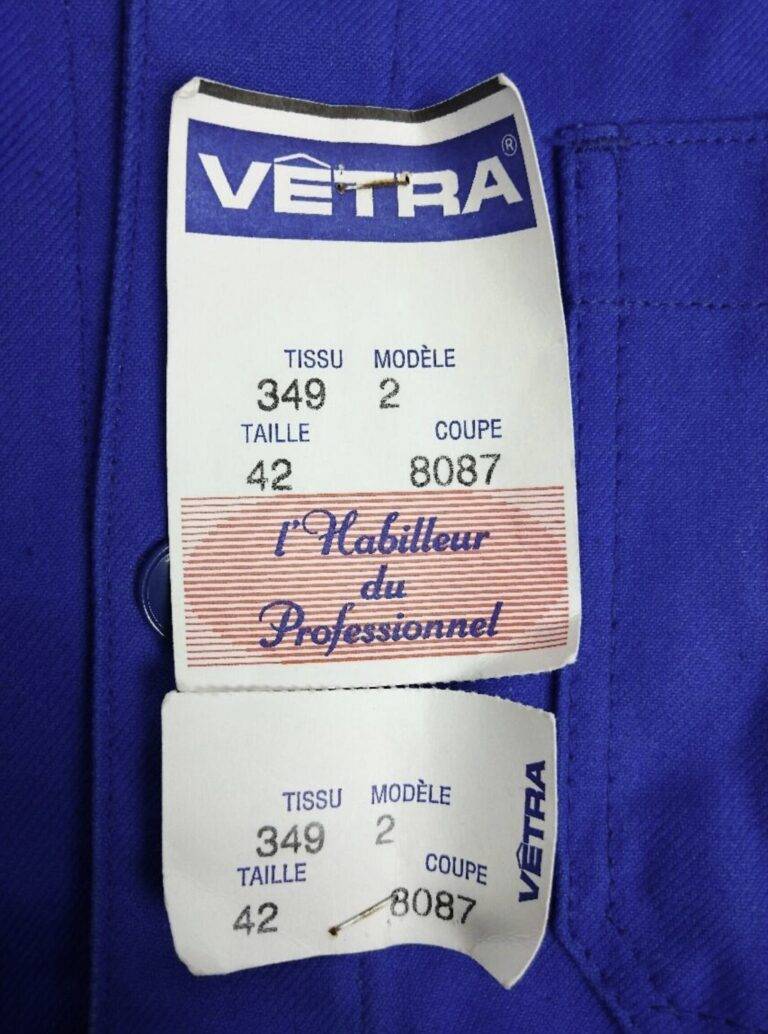
Throughout the 1970s and 1980s, the typography on the tags transitioned to a highly legible, elongated modern font. Leveraging its robust manufacturing background, VÉTRA took on the role of managing and succeeding the rights and production of traditional brands, such as DANTON, which closed its own factory in 1989.
創業とパリ時代(1927年〜1930年代)
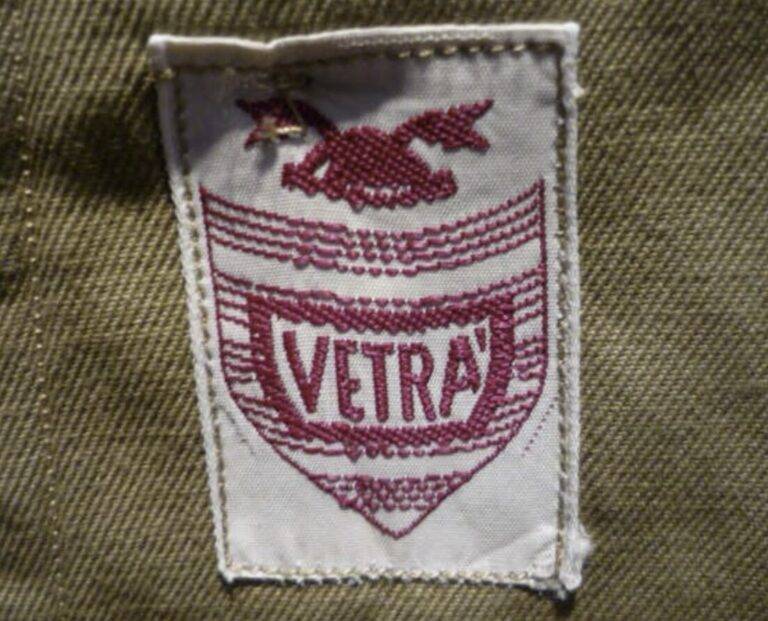
1927年、パリのサン・ルイ島にて産声を上げたVÉTRAは、当初から最高級の資材を用いたワークウェアを製造していました。この時期の製品には、赤色の糸で施された重厚な盾形の刺繍エンブレムが冠され、世界最高峰の堅牢度を誇る建染染料「Indanthren(インダンスレン)」が使用されるなど、仕立て屋としての高い技術と品質を誇示していました。
ル・リュドへの移転と黄金期(1941年〜1960年代)
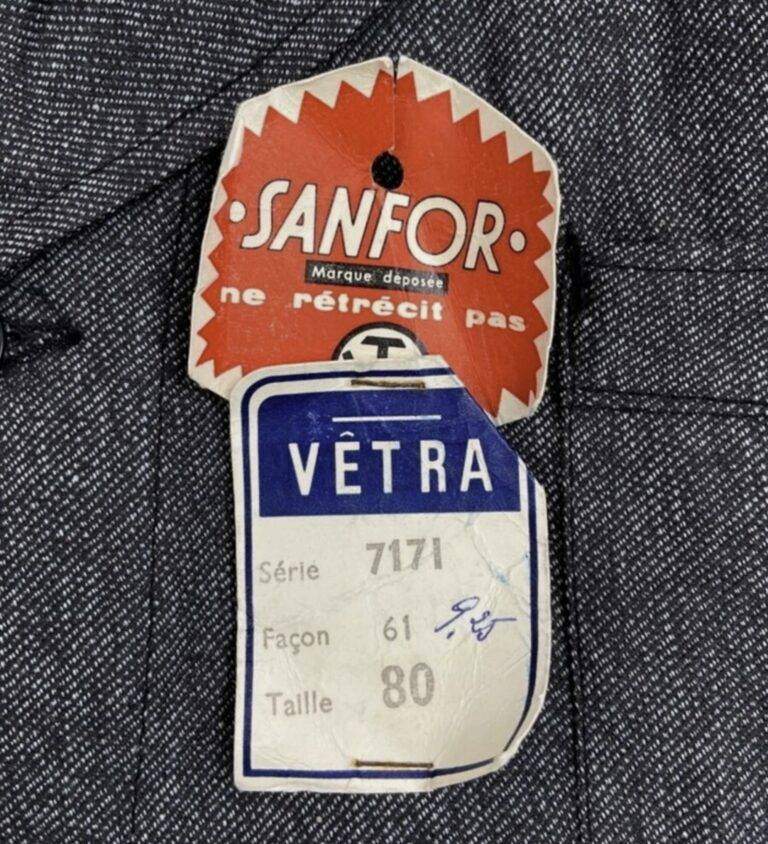
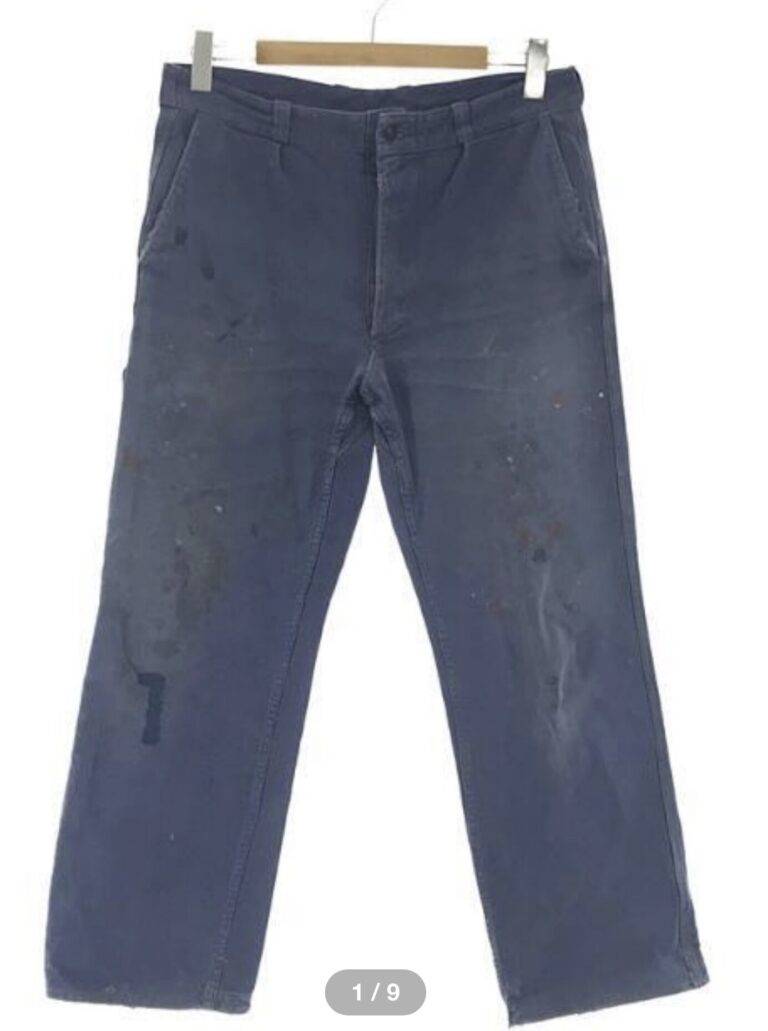
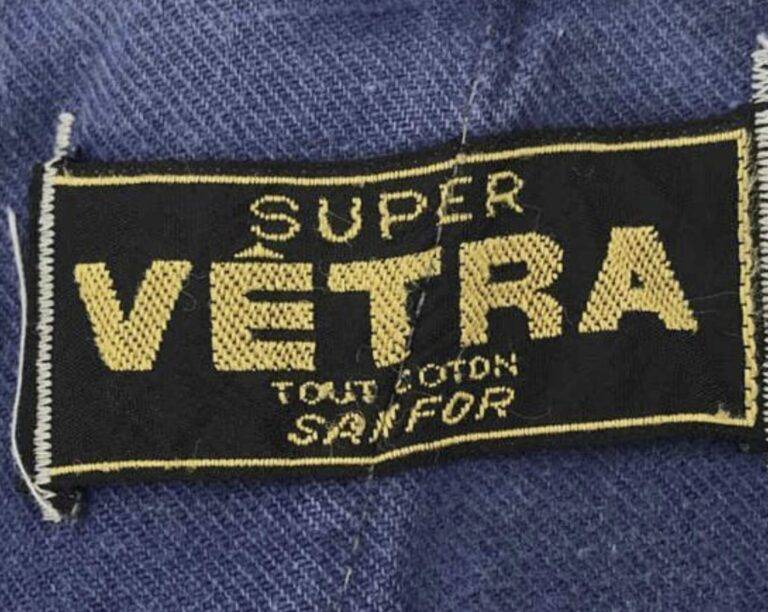
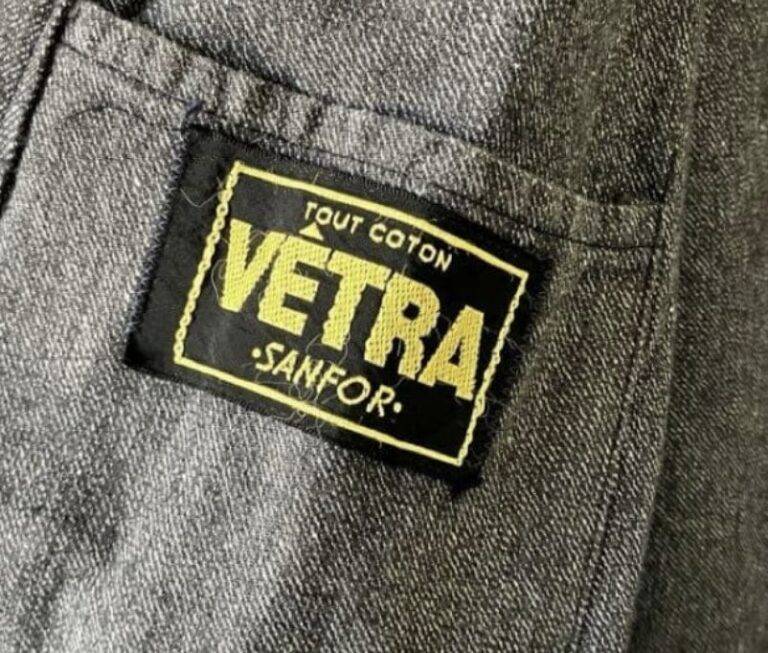
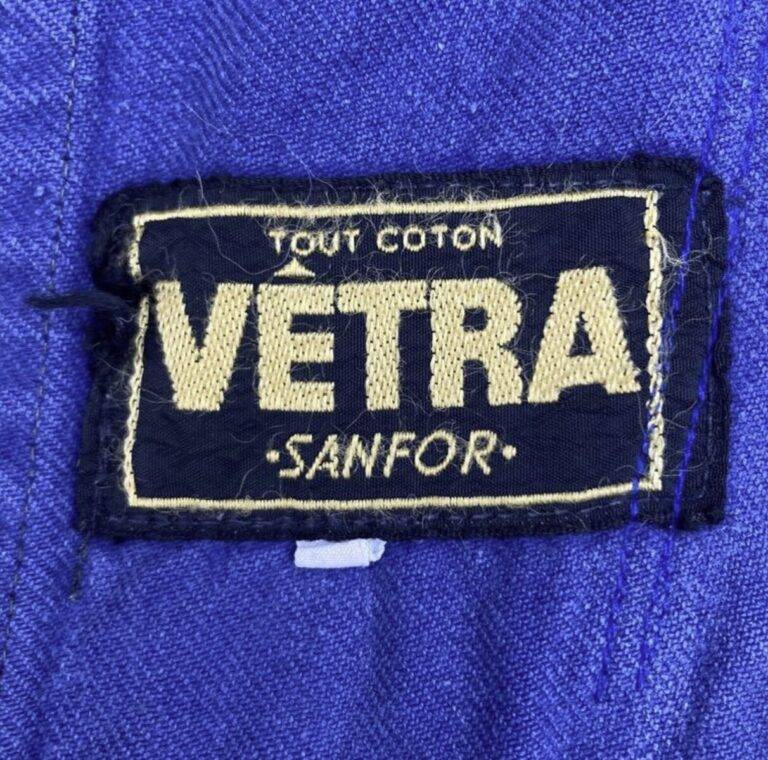
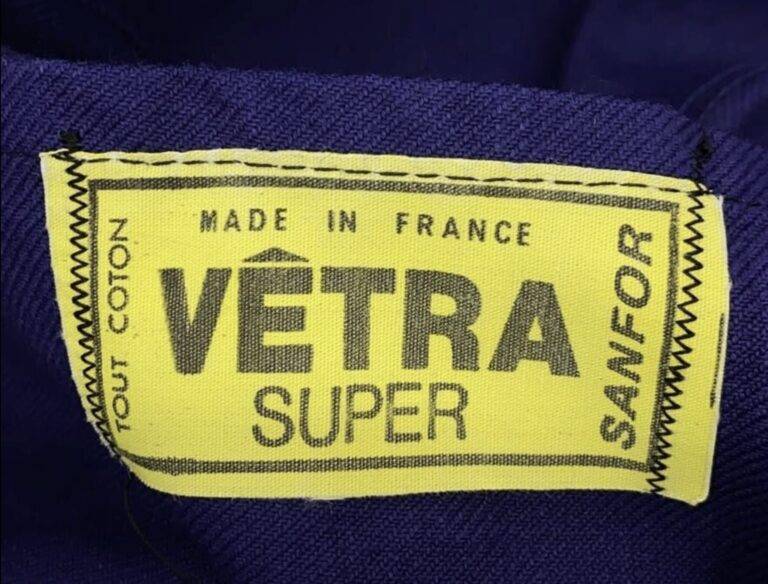
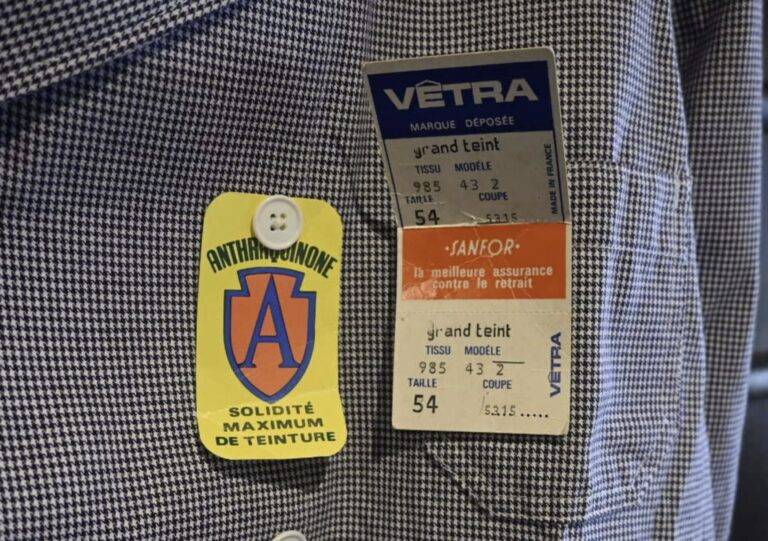
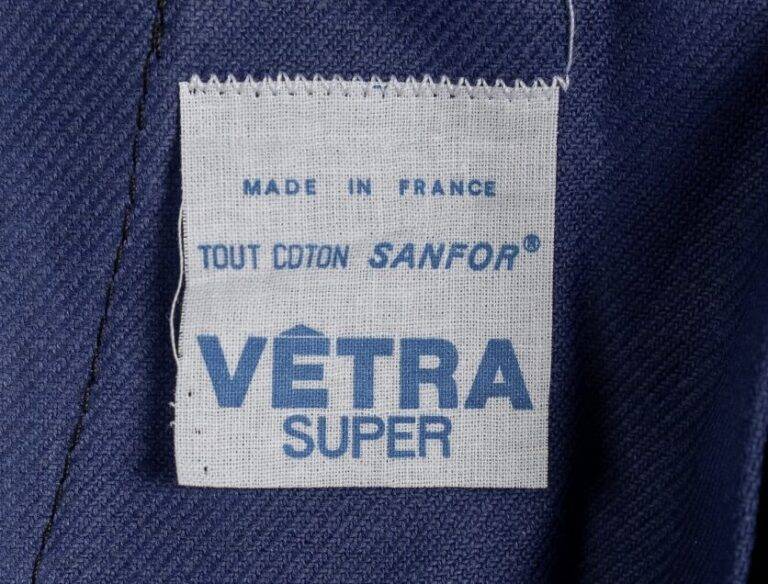
第二次世界大戦中の1941年、戦火を避けるためフランス中西部のサルト県**ル・リュド(Le Lude)**に工場を移転しました。戦後は高度経済成長に伴い、品質保証の仕組みを近代化させます。タグには「SANFOR(防縮加工)」や「ANTHRAQUINONE(アントラキノン系染料)」といった技術商標が記されるようになり、フランスの労働階級を支える「頑丈で色落ちしない作業着」としての地位を不動のものにしました。
近代化とブランド管理の集約(1970年代〜現在)
1970年代から80年代にかけて、タグのタイポグラフィは視認性の高い縦長のモダンな書体へと移行しました。この時期、VÉTRAはその堅牢な製造背景を活かし、自社ブランドのみならず、1989年に自社工場を閉鎖したDANTONなどの伝統的なブランドの権利や製造を承継・管理する役割を担うようになります。
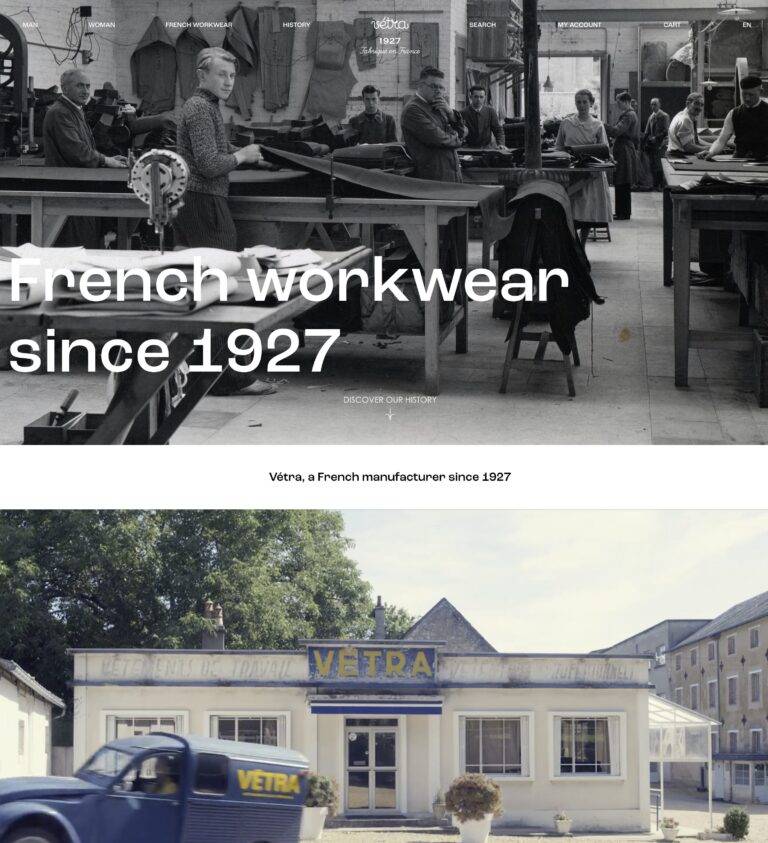
VETRA WEBSITE
1927
trademark Registration
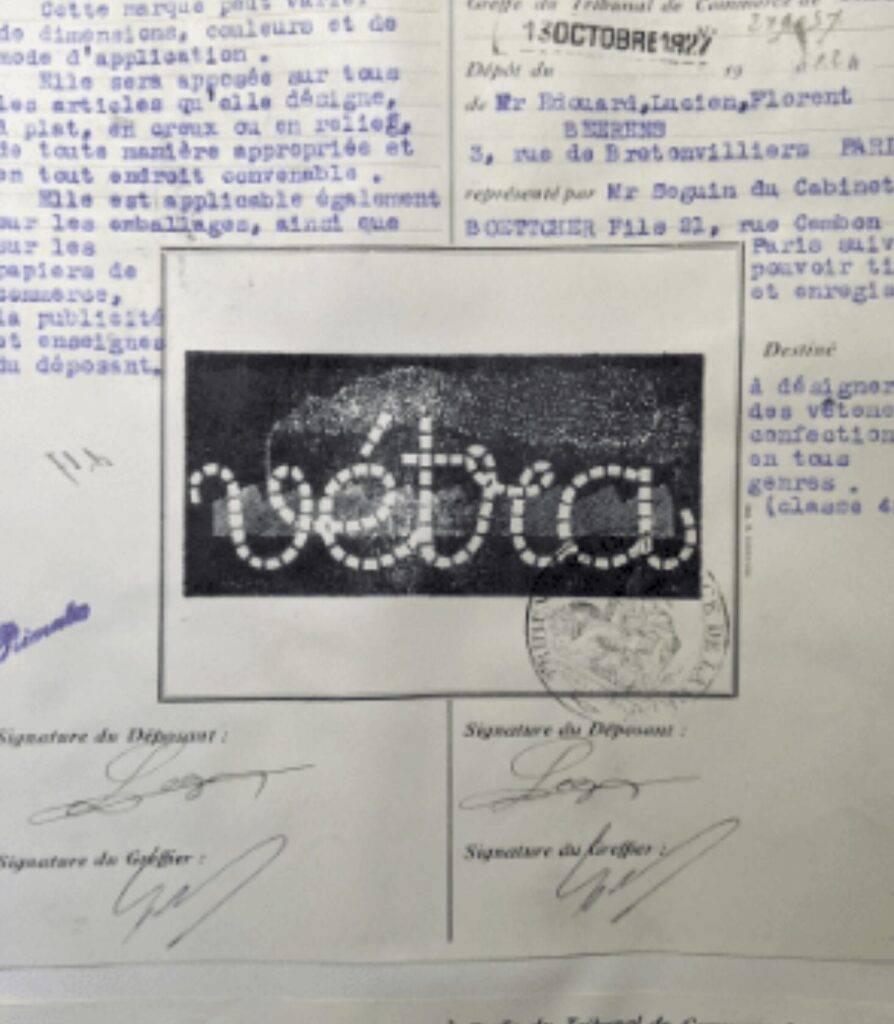
Trademark Registration Certificate
This is a copy of the trademark registration filed with the Commercial Court of Paris (Tribunal de Commerce de Paris) in 1927.
Registration Date: October 13, 1927
Registrant: Mr. Edouard, Lucien, Florent BEERENS
Address: 3, rue de Bretonvilliers, PARIS (4th arrondissement, Île Saint-Louis)
Trademark Logo: The word “vétra” appearing as if outlined with dotted lines.
Target Products: All types of ready-made garments (vêtements confectionnés de tous genres), Class 48.
Scope of Application: Product bodies, labels, packaging, commercial documents, advertisements, signs, etc.
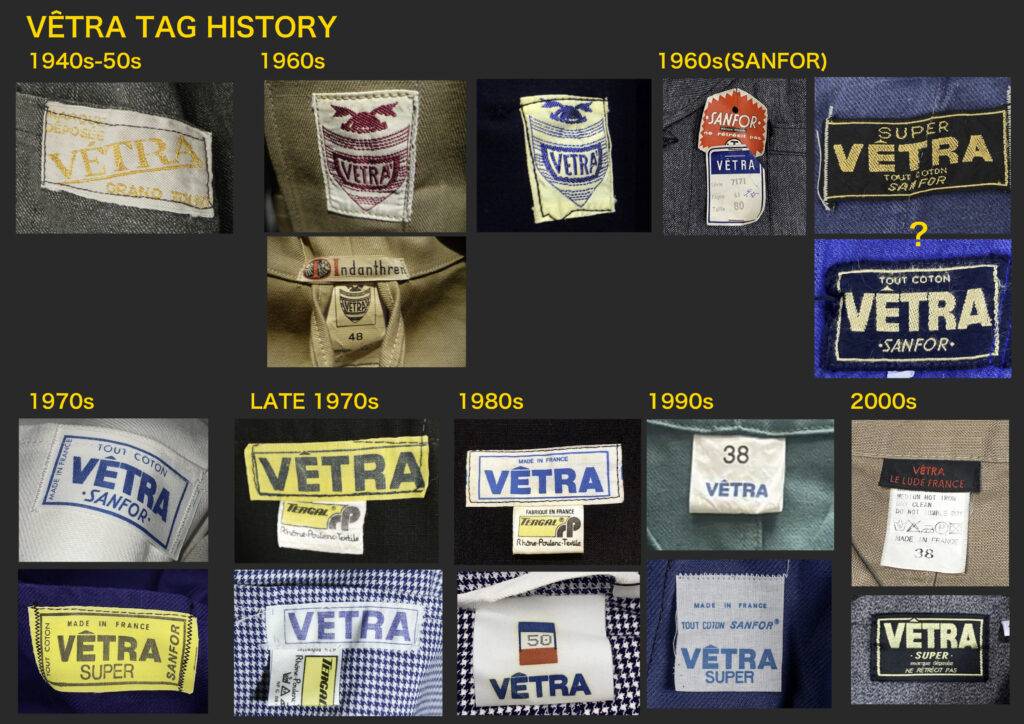
1940s - 50s
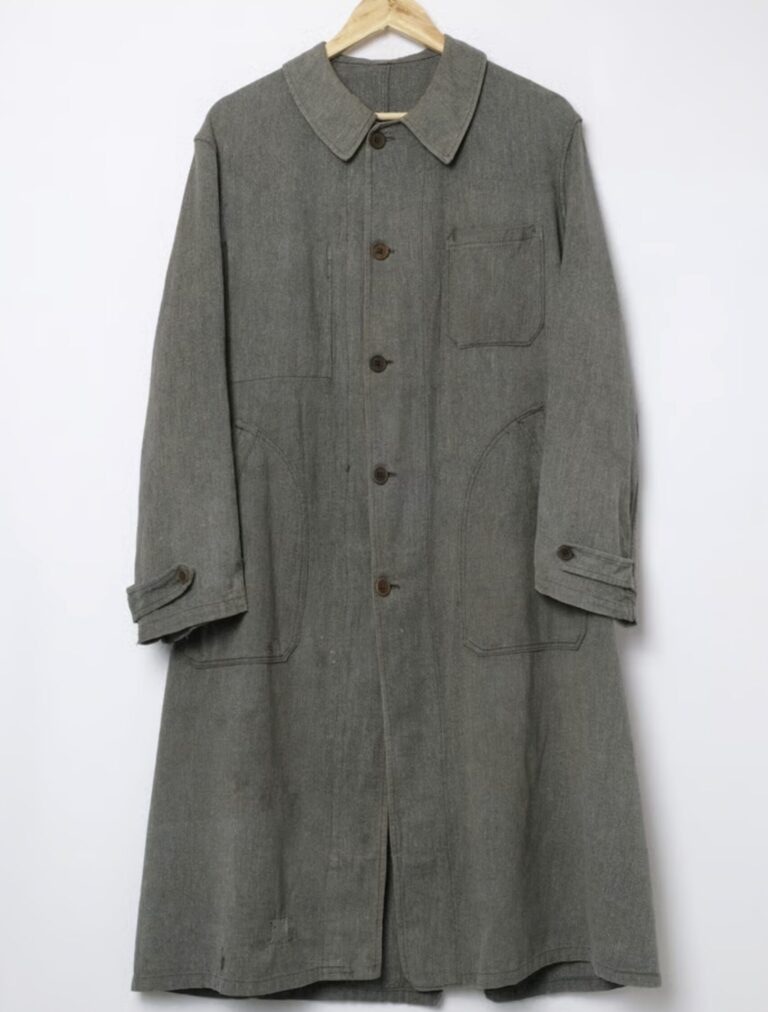
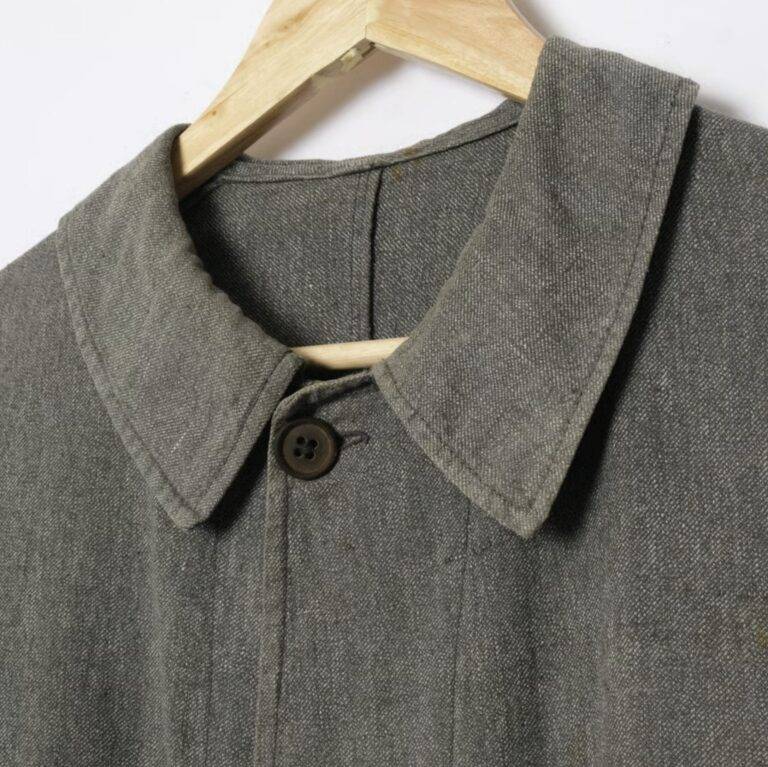
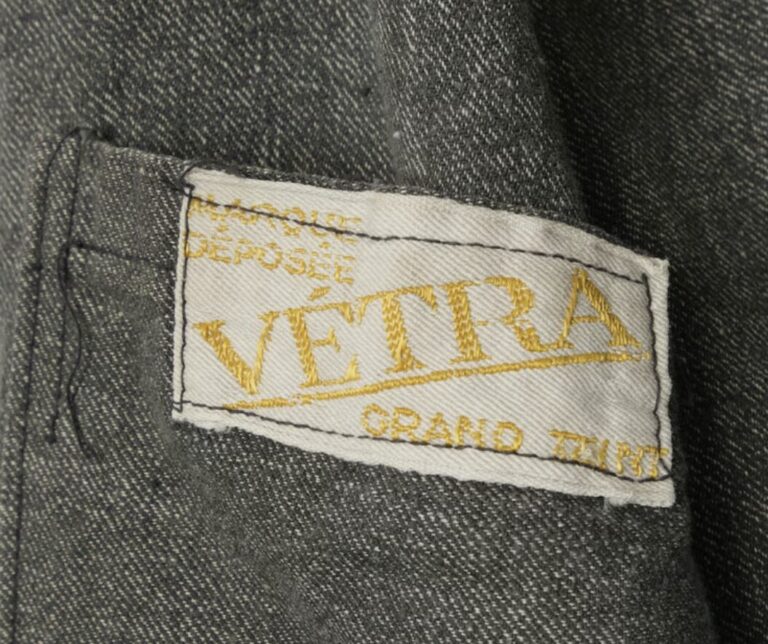
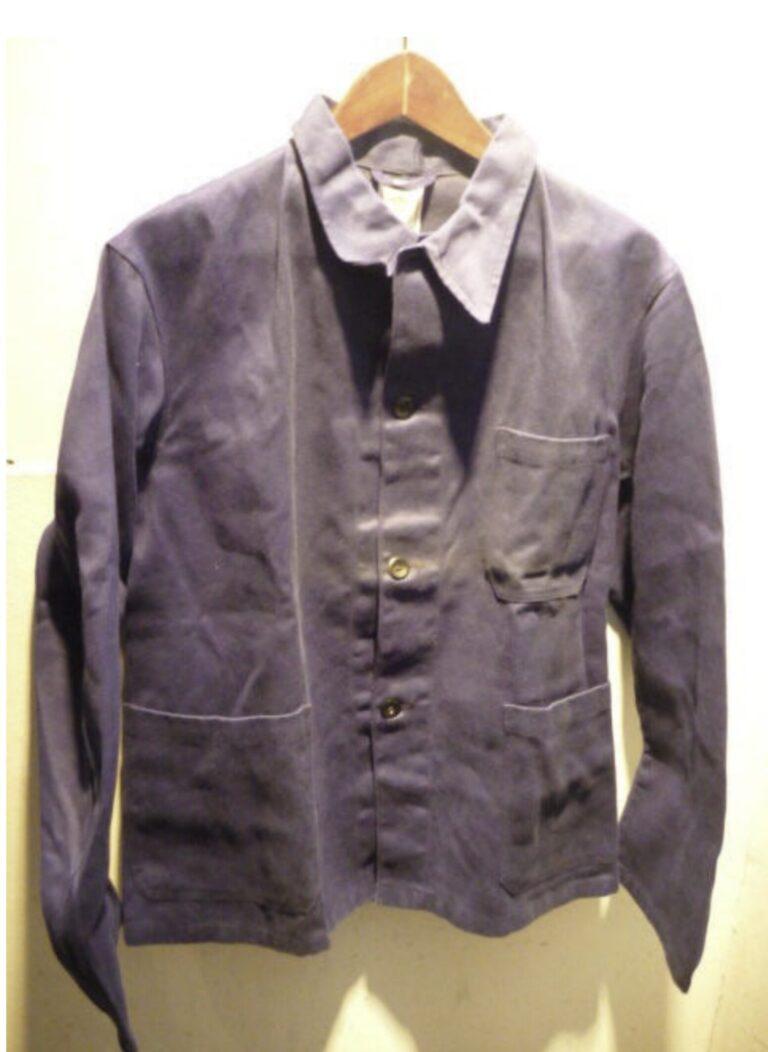
Embroidered tag with WOOD BUTTON
1940s ?
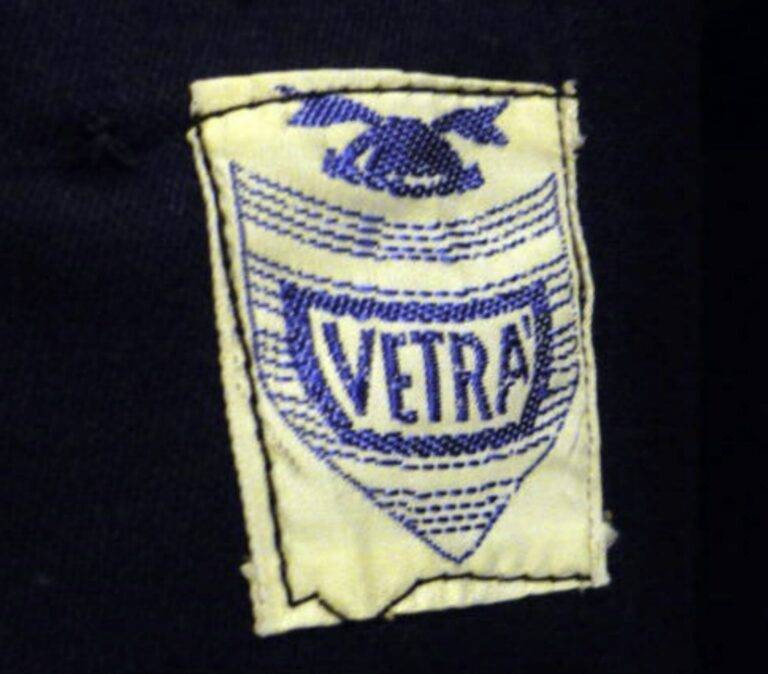
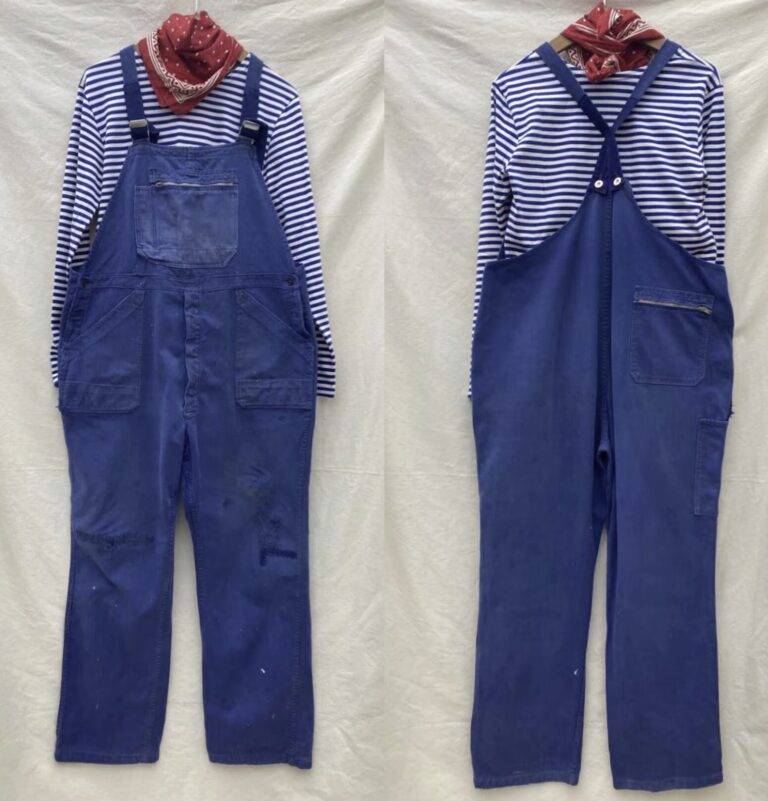
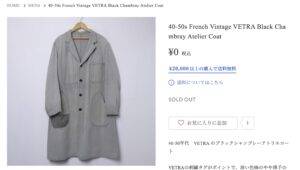
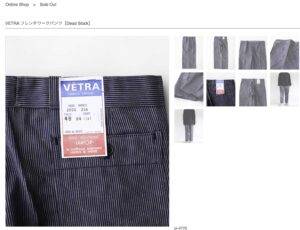
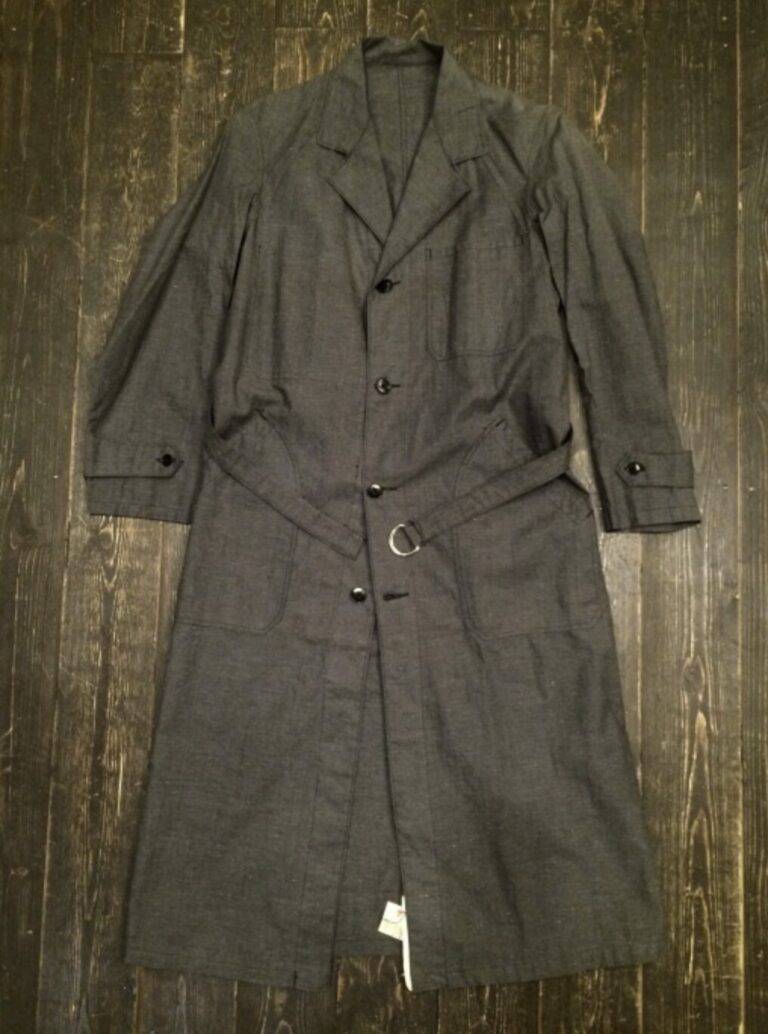
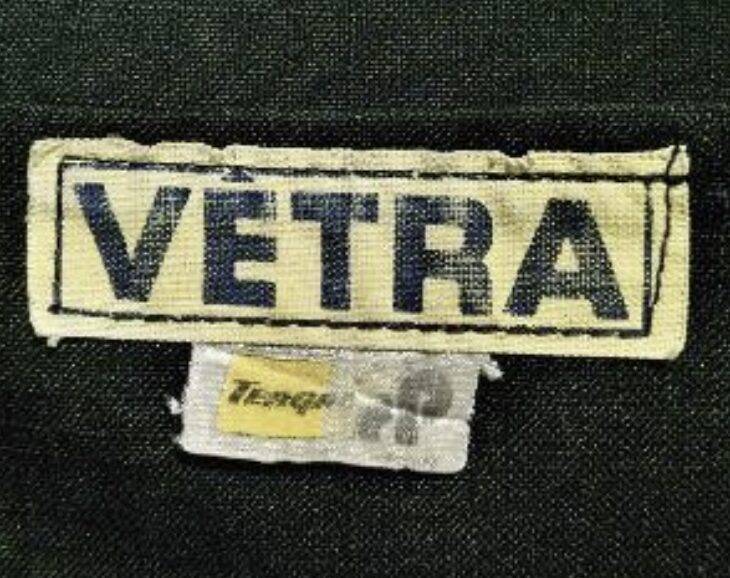
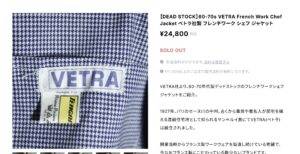
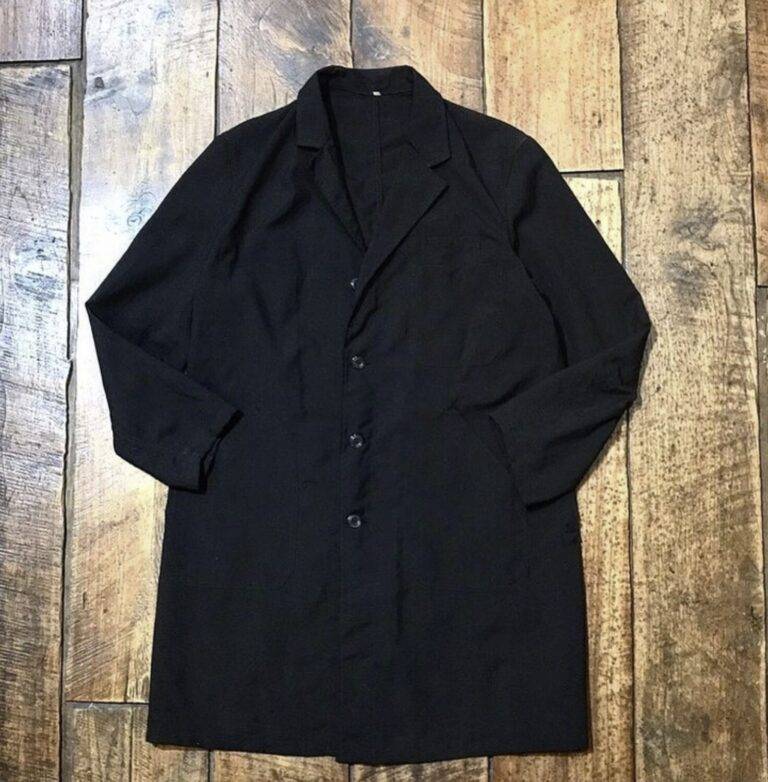
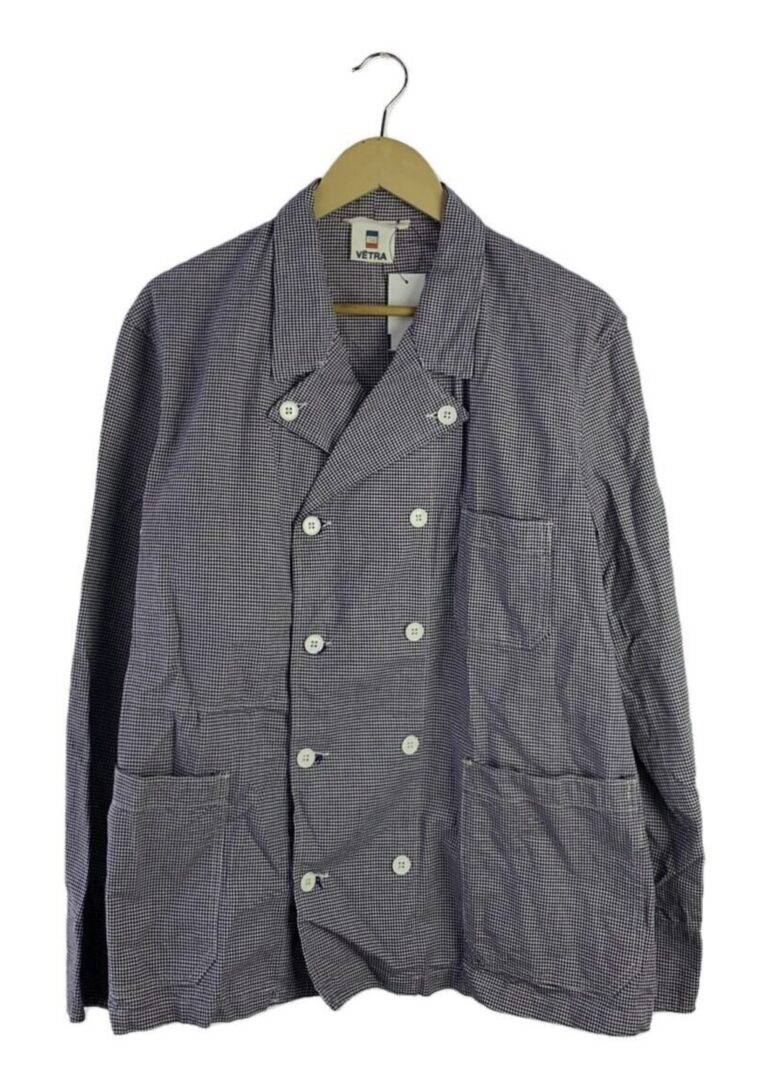
The gold embroidered “VÉTRA” tag, positioned diagonally, features “MARQUE DÉPOSÉE” (Registered Trademark) at the top and “GRAND TEINT” (Colorfast) at the bottom. Given its construction, including the original wood buttons preserved in their initial state, it is inferred that the piece dates to the immediate post-war period. It is finished in a black chambray specification.
1950s - 60s
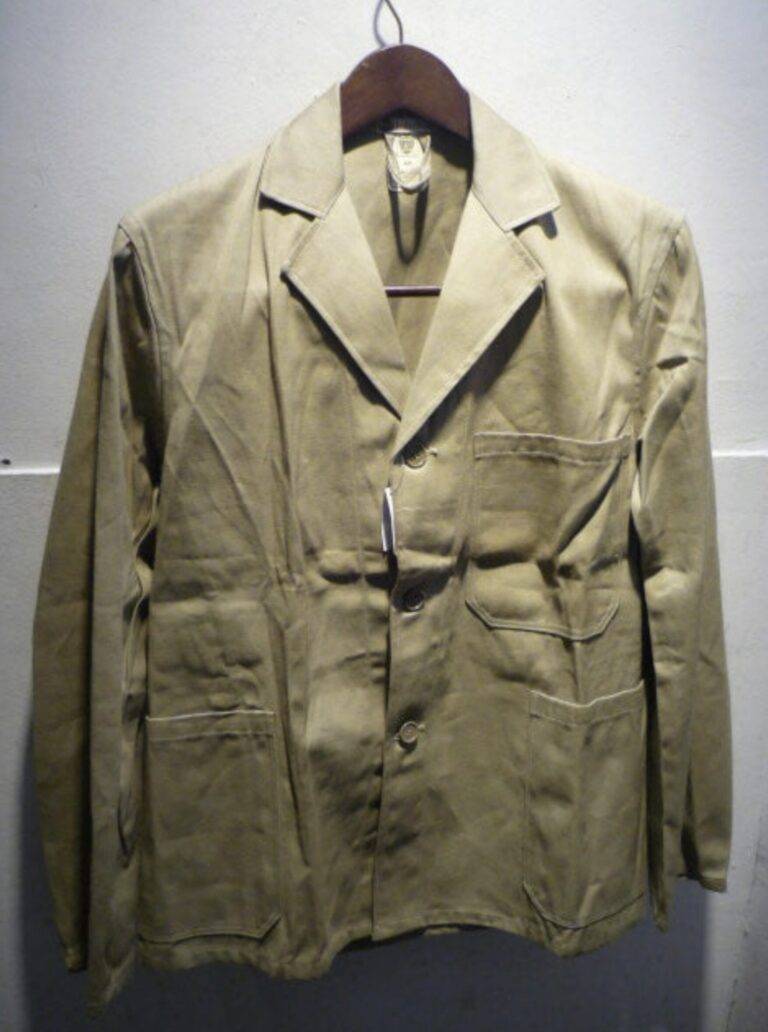
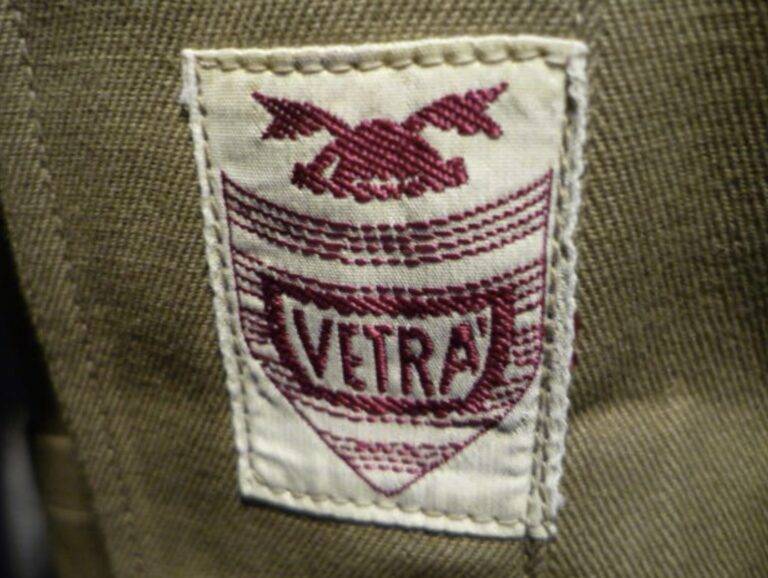
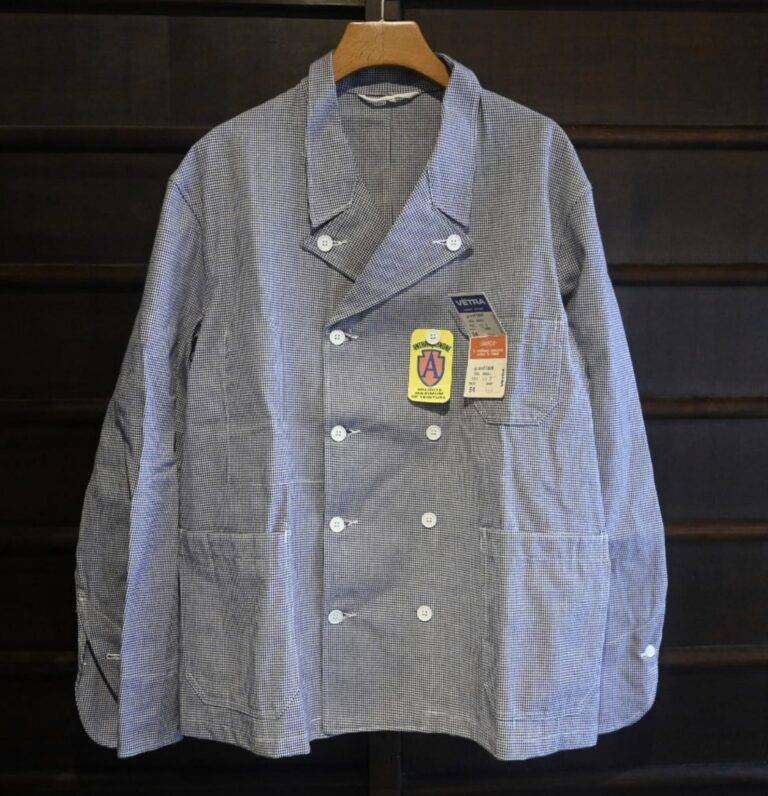
Embroidered shield tag
※Note:
I suspect this product may be from the chaotic post-war period, so I cannot determine if it is the same VETRA brand that continues today.If anyone is knowledgeable about this, please let me know.
LATE 1950s ?
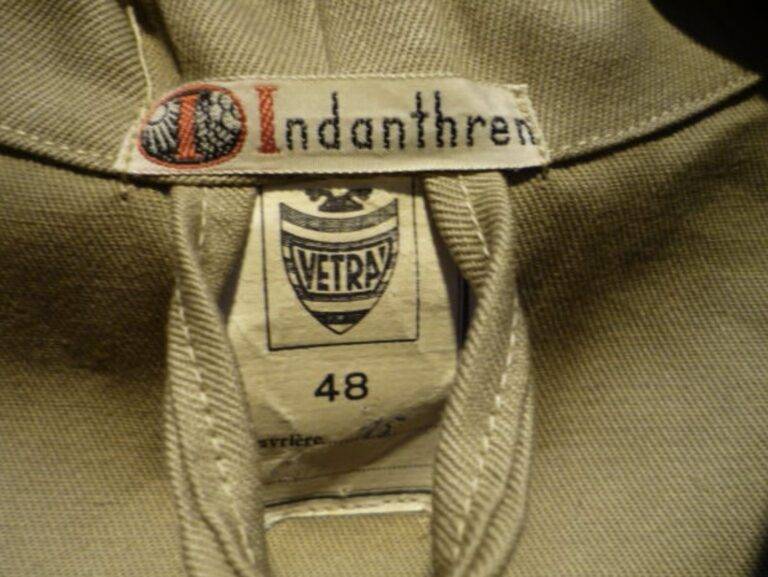
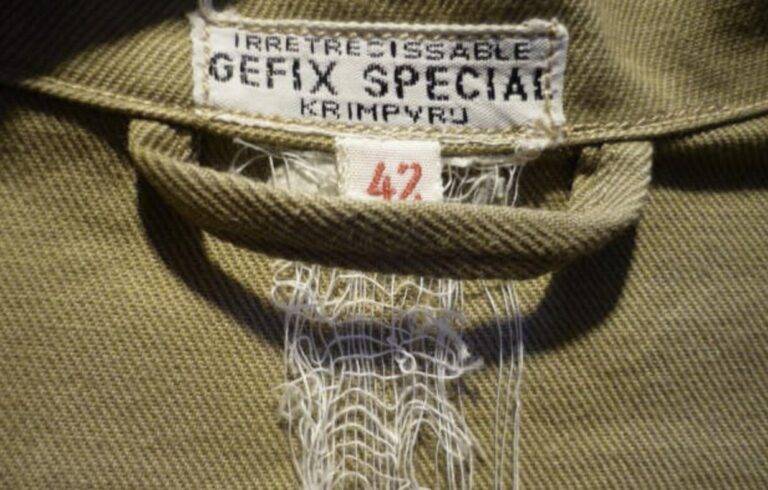
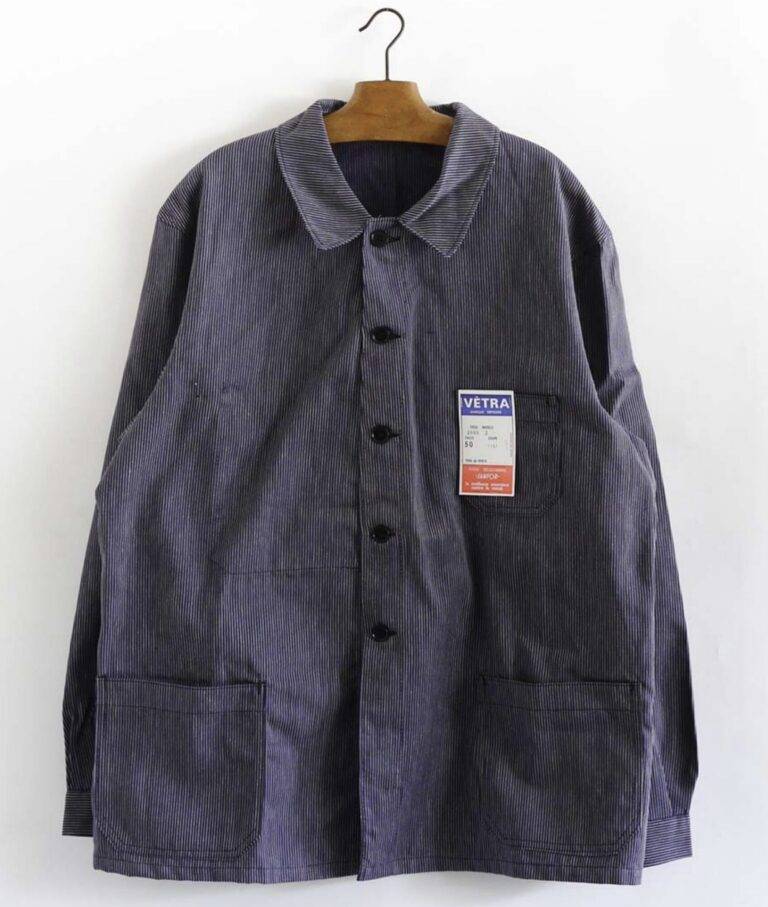
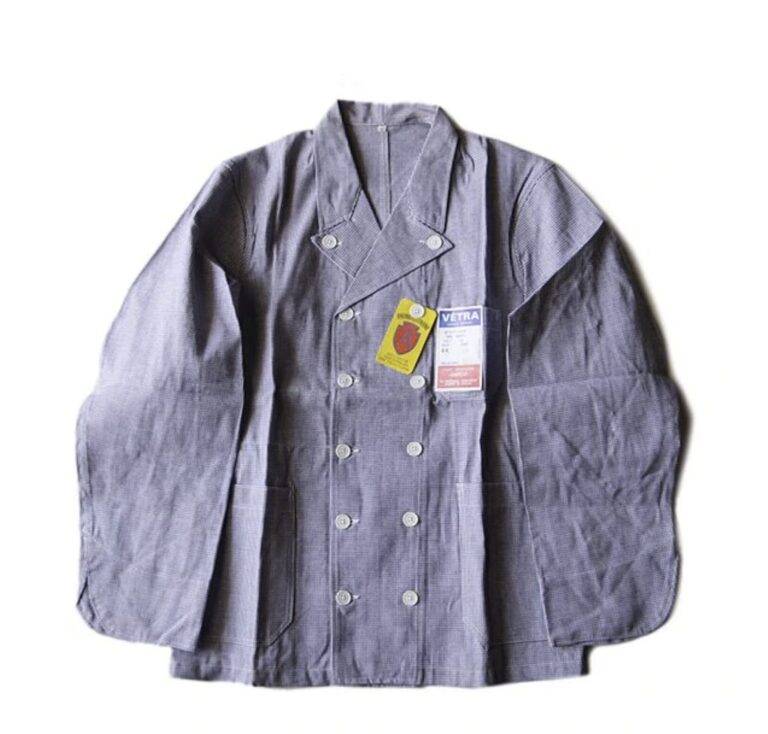
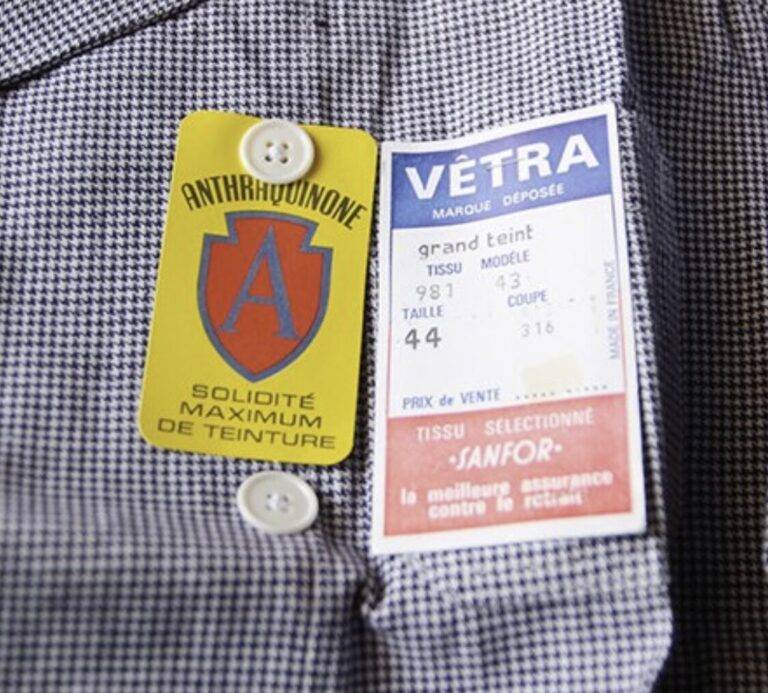
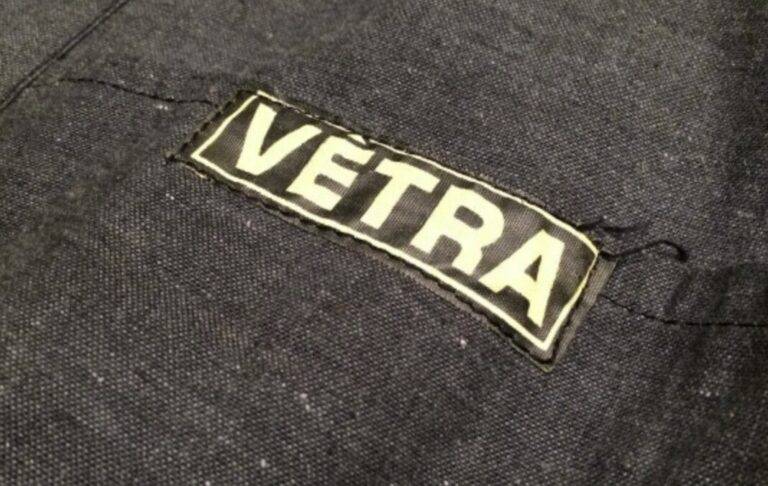
The meaning of the Indanthren tag: In Image 3, the “Indanthren” tag sewn above the VETRA print tag is a trademark for vat dyes developed by the German company IG Farben.
・Characteristics: It was extremely resistant to sunlight, washing, and friction, serving as proof of the “highest quality colorfast dye” of the time.
・Period: In French workwear, this trademark tag was prominently featured mainly from the 1950s to the early 1960s.
1960s ? (BEFORE SUNFOR)
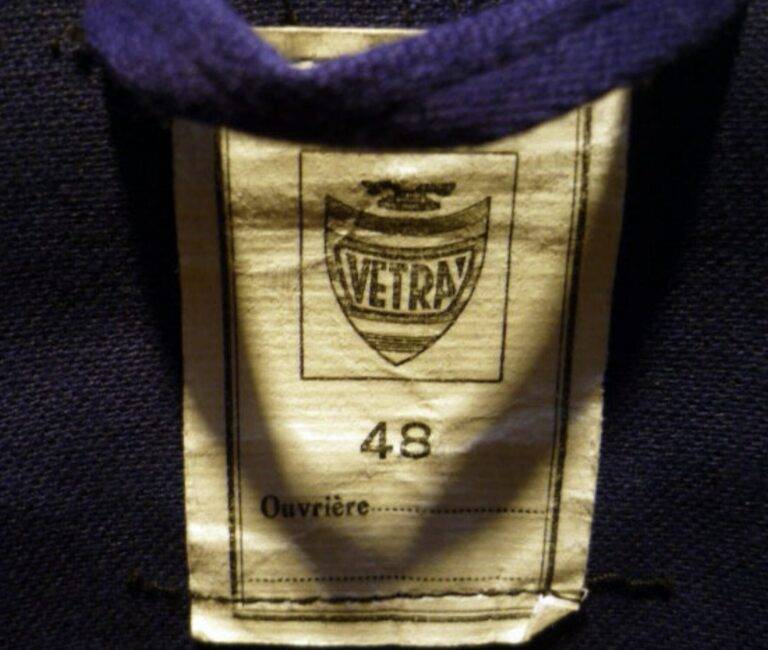
Size “48” and the production management item “Ouvrière” (female worker) are printed together.
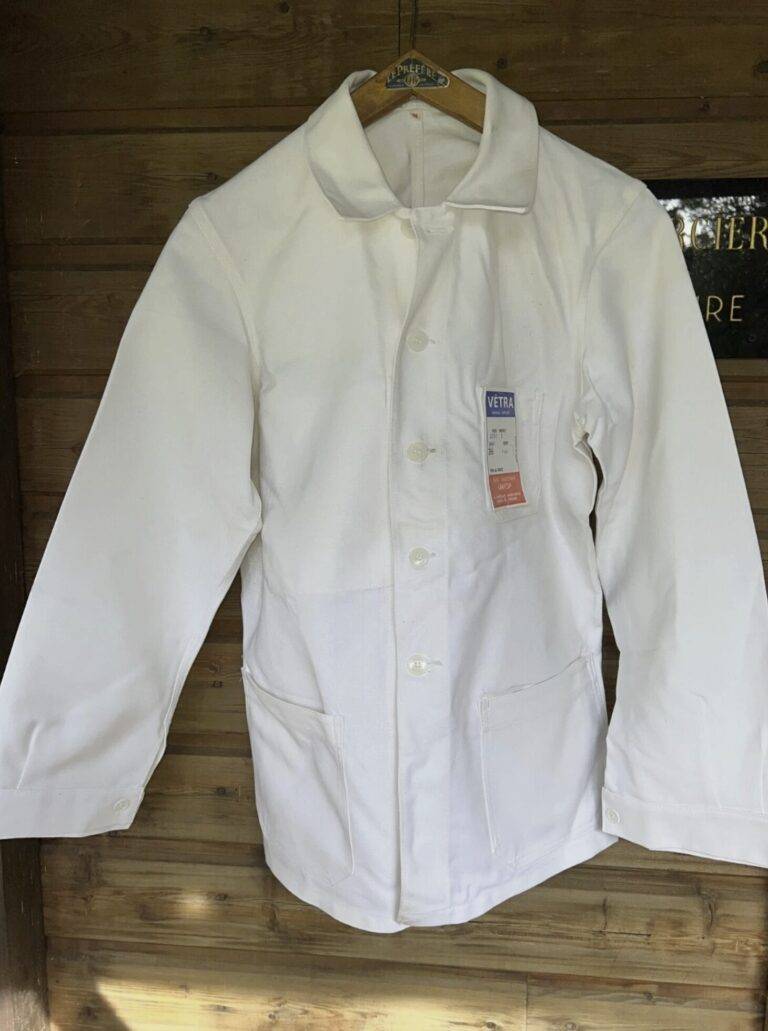
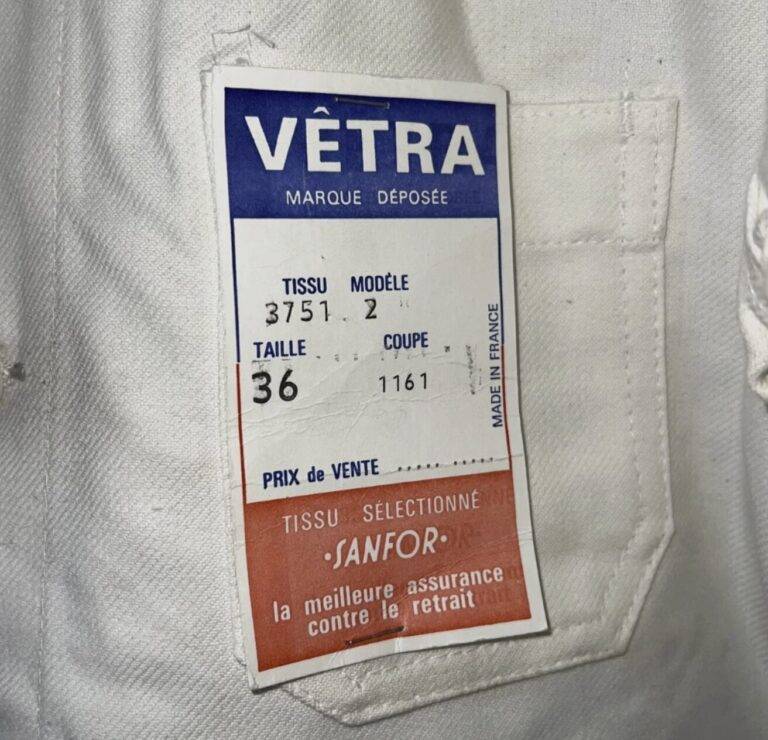
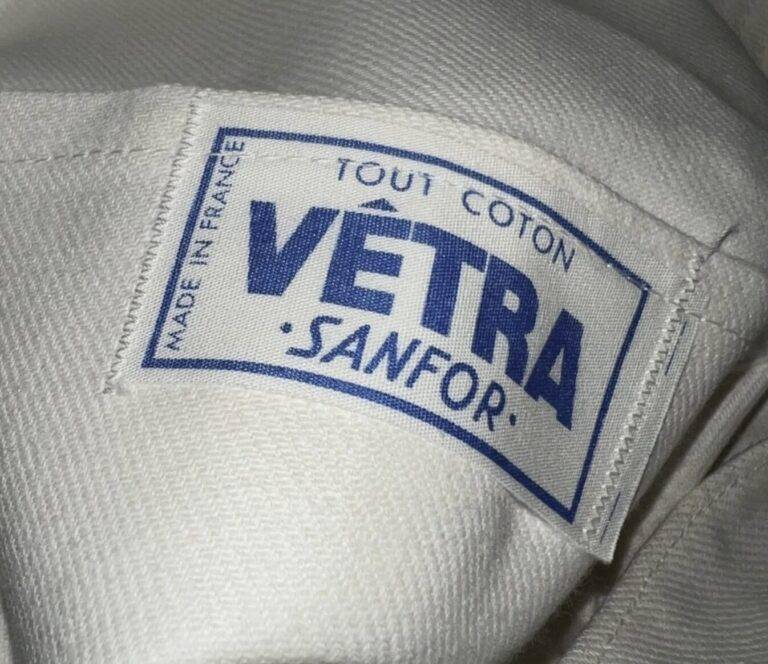
1960s
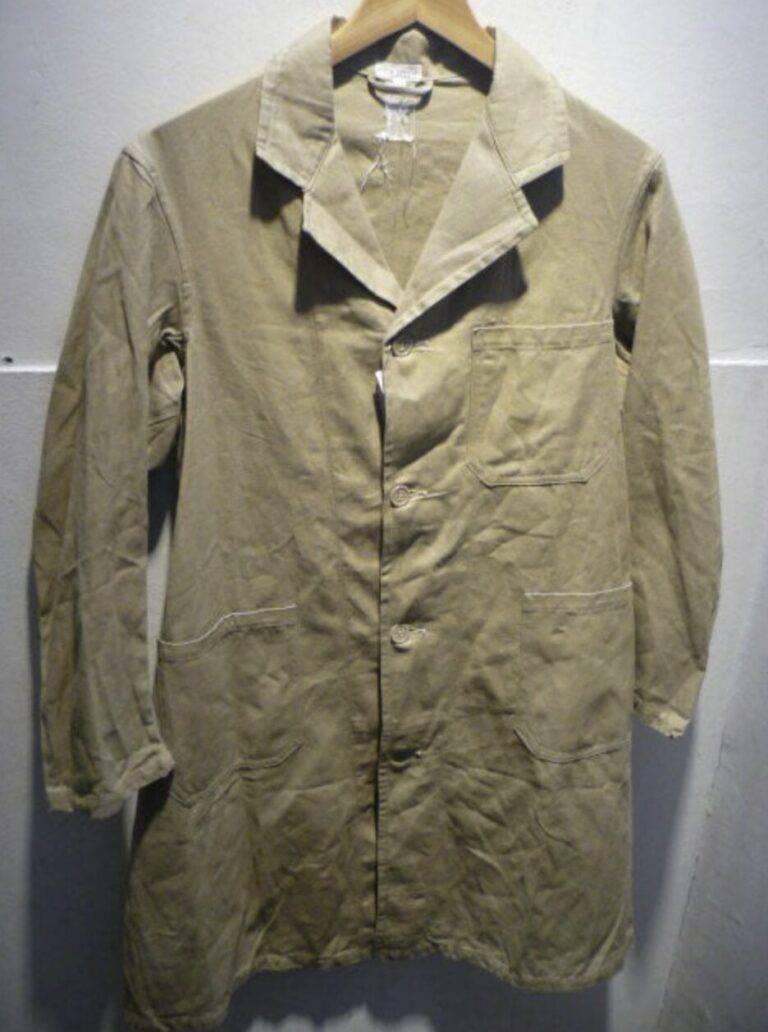
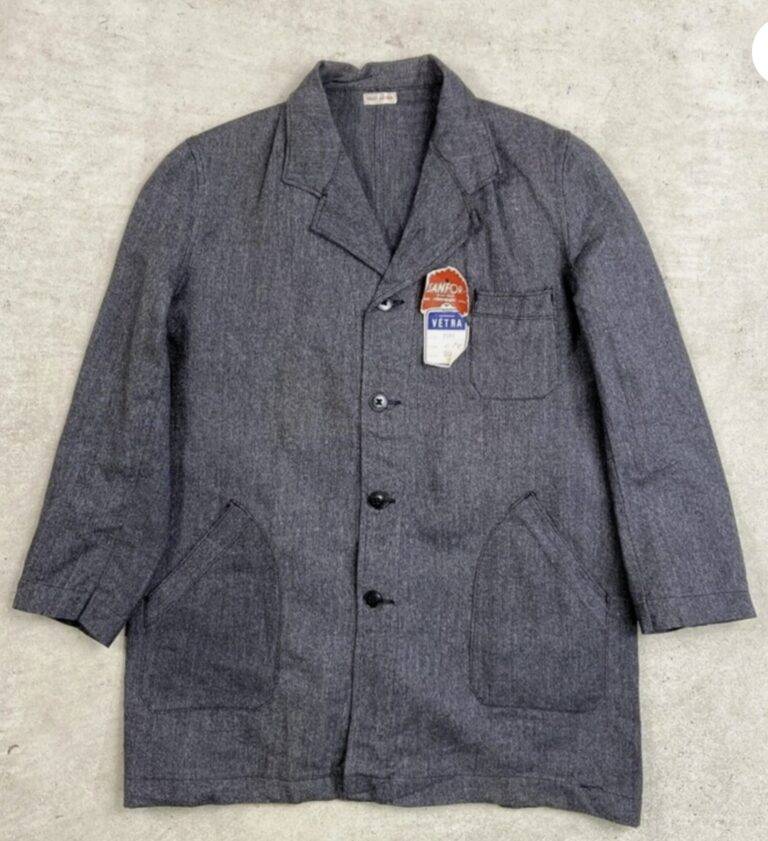
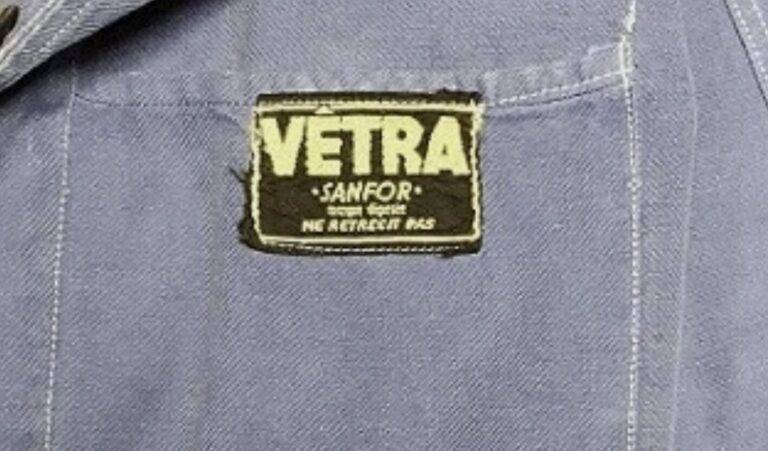
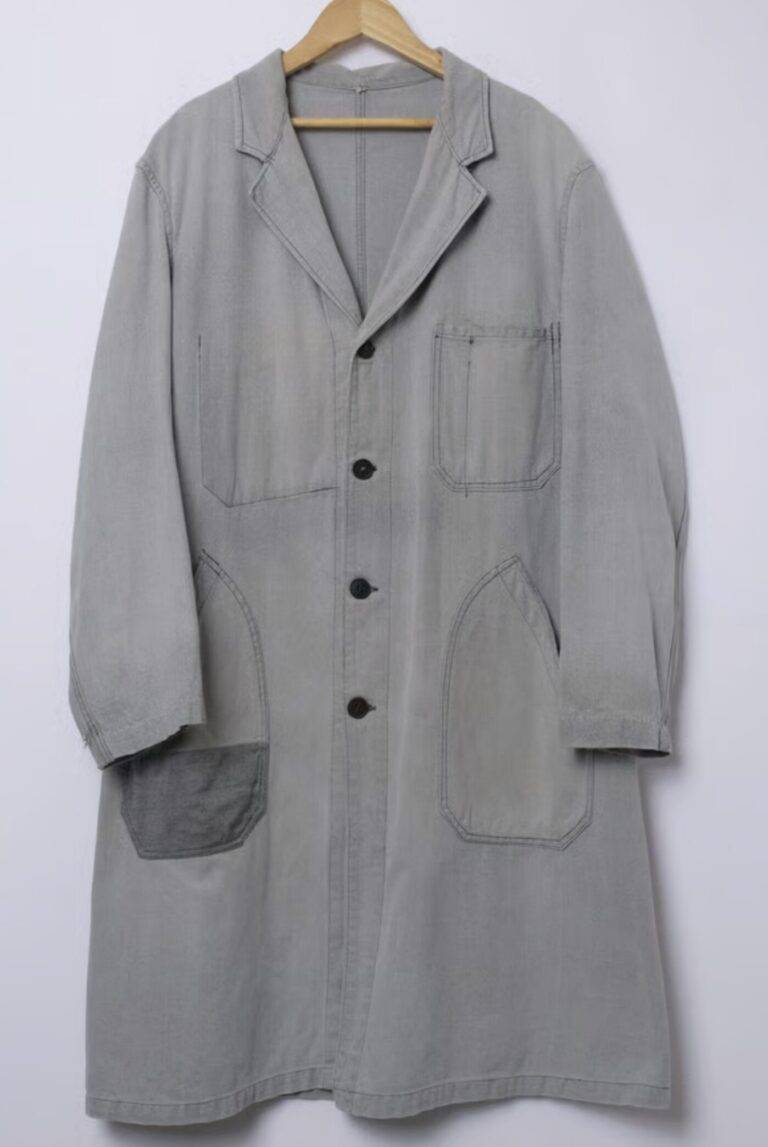
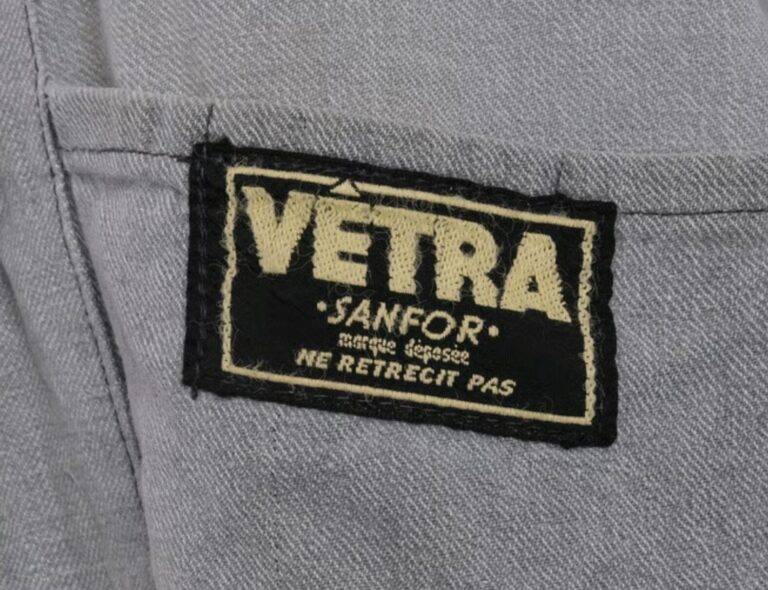
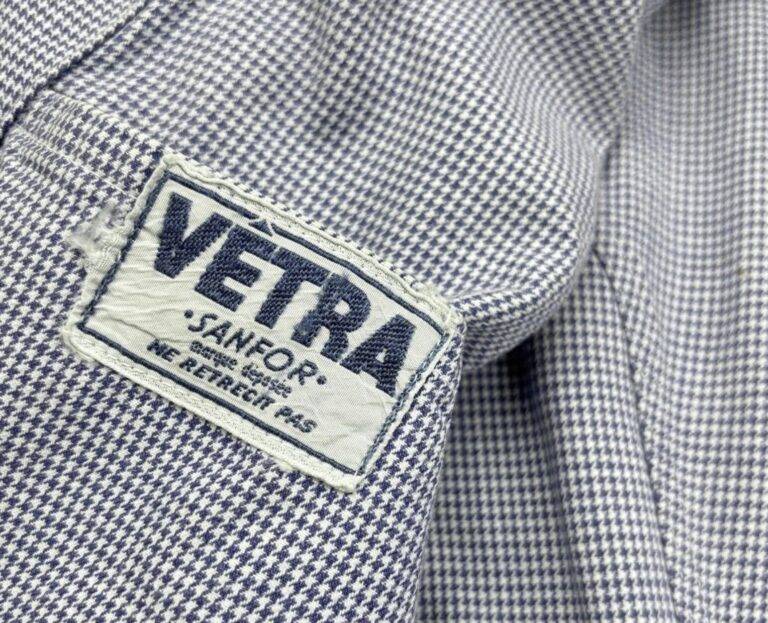
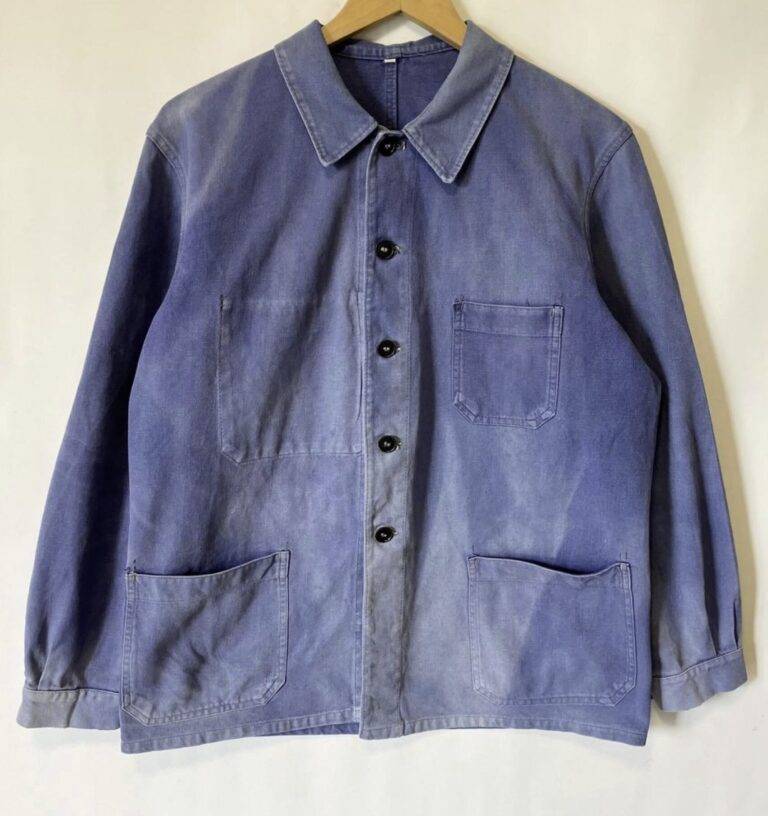
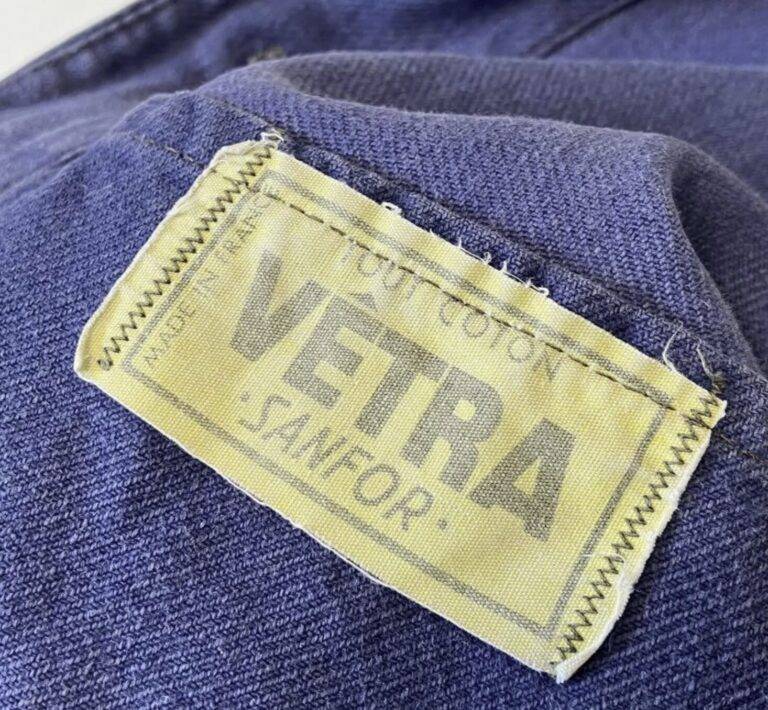
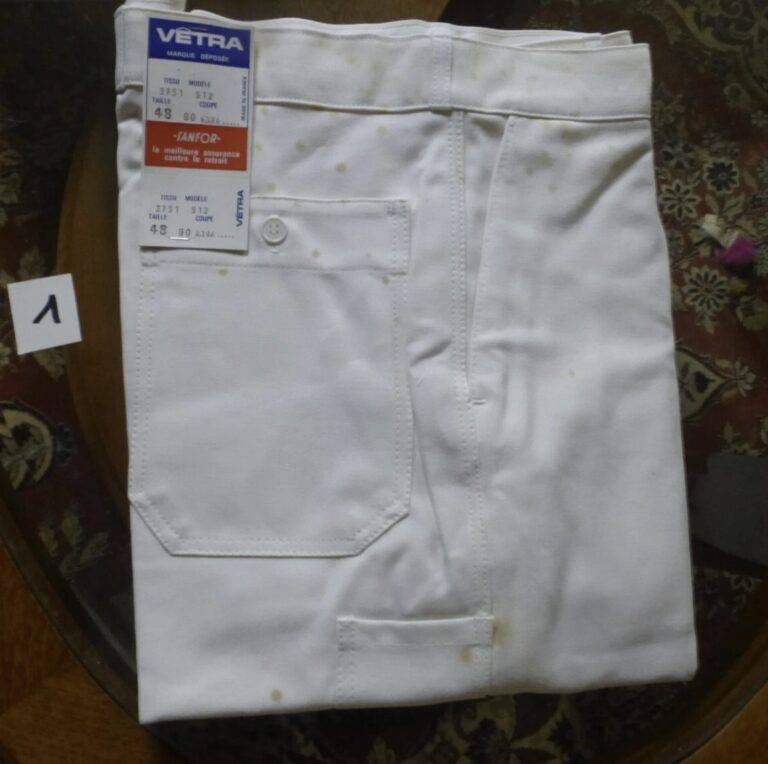
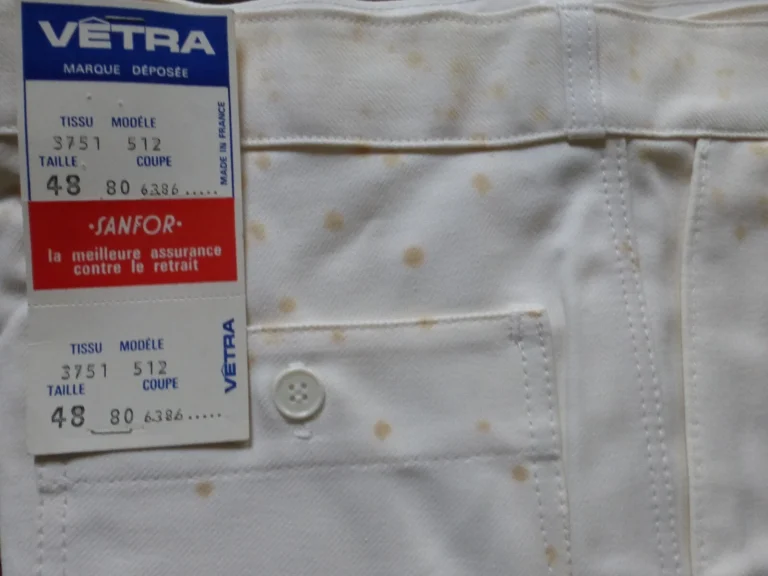
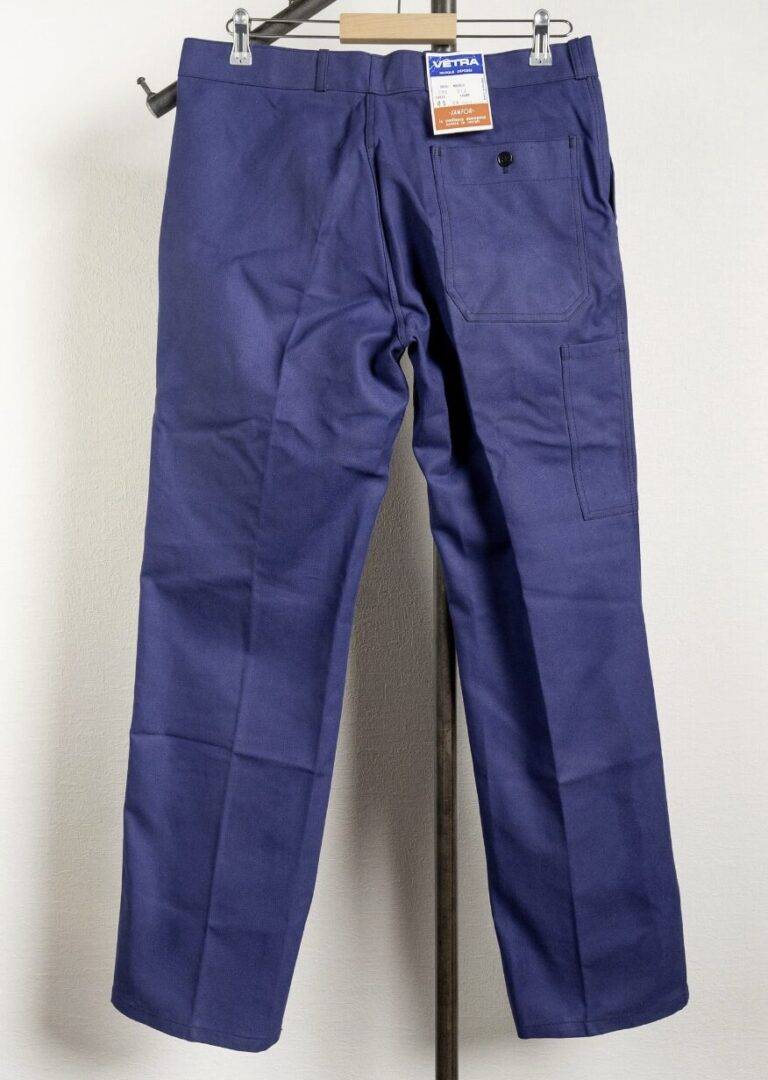
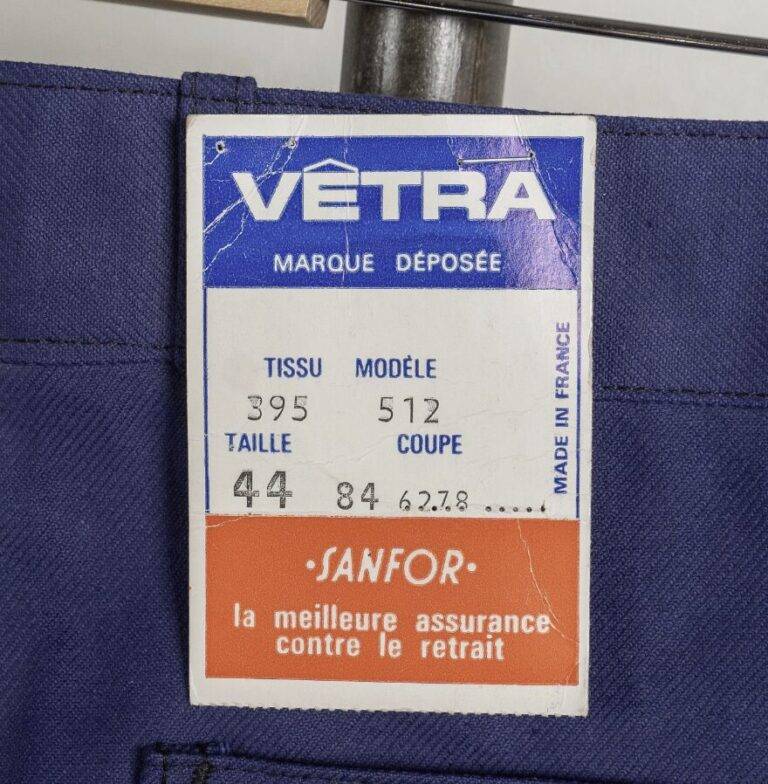
SANFOR® ERA
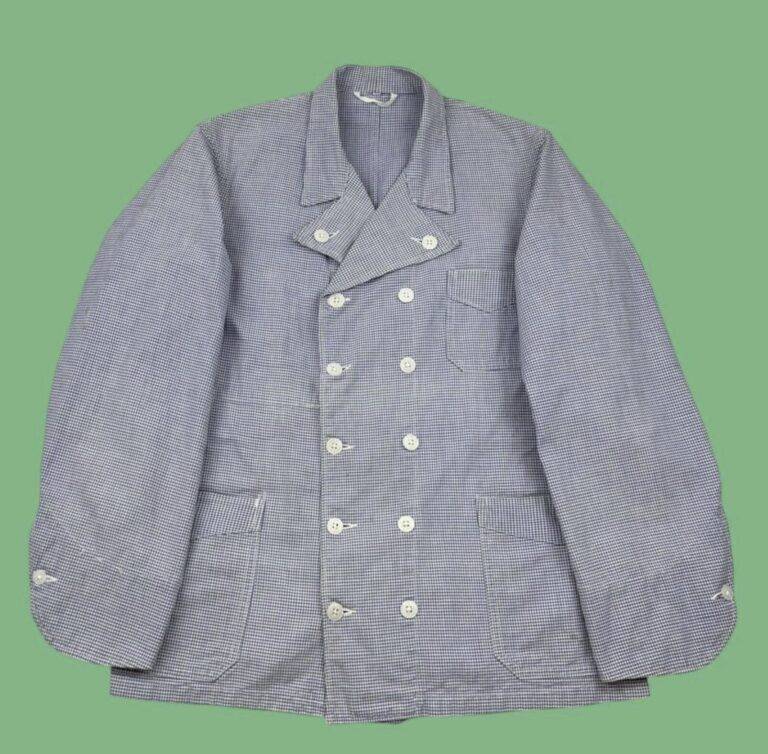
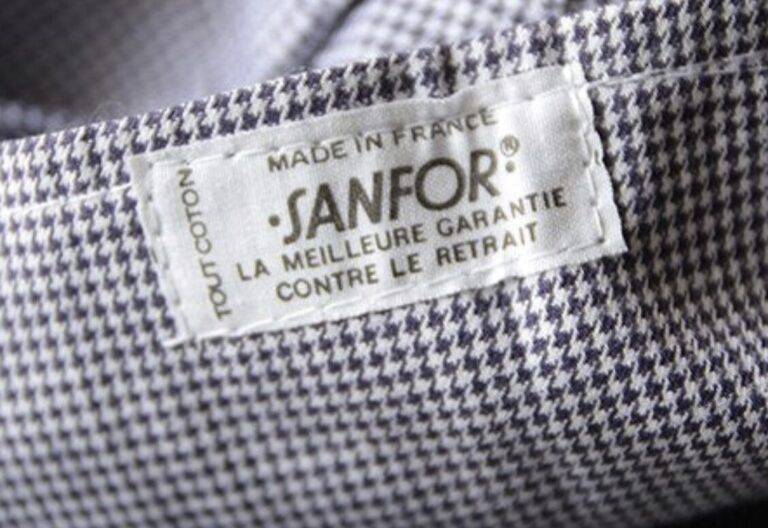
In French workwear, SANFOR (Sanforized) processing became common in the 1950s, following World War II. The following is a summary of the history and transition of its introduction in France:
Period of Introduction and Popularization
Pre-1930s:
Shrink-proofing technology itself was underdeveloped, and workwear made of moleskin or linen blends was produced with the assumption of heavy shrinkage from washing.
1950s:
Established brands such as Adolphe Lafont began to fully adopt the Sanforized process (patented in 1930) developed in the United States. During this period, the word “SANFOR” began to be added to brand labels.
1960s onwards:
It became a standard specification for almost all major brands (VETRA, Le Mont Saint Michel, etc.), and the “SANFOR” marking became established as a guarantee
フランスのワークウェアにおいて、SANFOR(サンフォライズド)加工が一般的になったのは、第二次世界大戦後の1950年代です。以下に、フランスにおける導入の経緯と変遷をまとめます。
導入と普及の時期
1930年代以前:
防縮加工技術自体が未発達であり、モールスキンやリネン混合のワークウェアは洗濯による激しい縮みが前提とされていました。
1950年代:
アドルフ・ラフォン(Adolphe Lafont)などの老舗ブランドが、米国で開発されたサンフォライズド加工(1930年パテント取得)を本格的に採用し始めました。この時期の個体には、ブランドタグに「SANFOR」の文字が追加されるようになります。
1960年代以降:
ほぼすべての主要ブランド(VETRA、Le Mont Saint Michel等)で標準仕様となり、品質保証として「SANFOR」表記が定着しました。
1970s
SANFOR® ERA
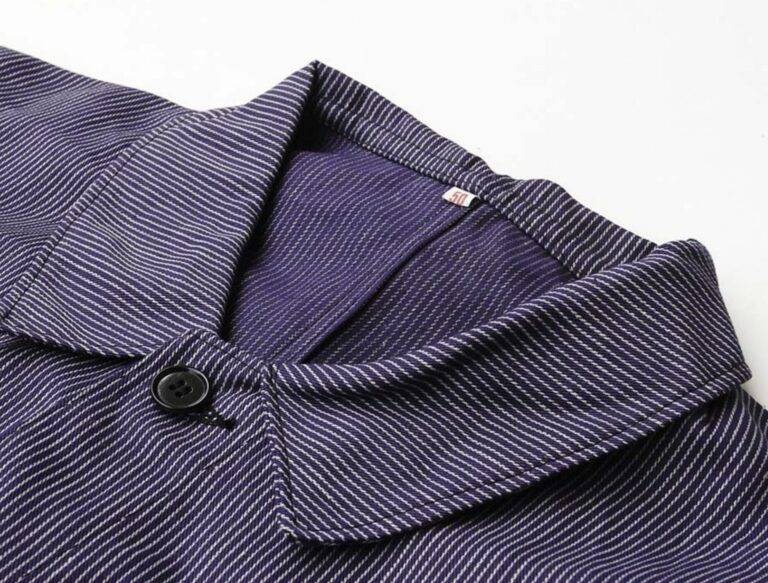
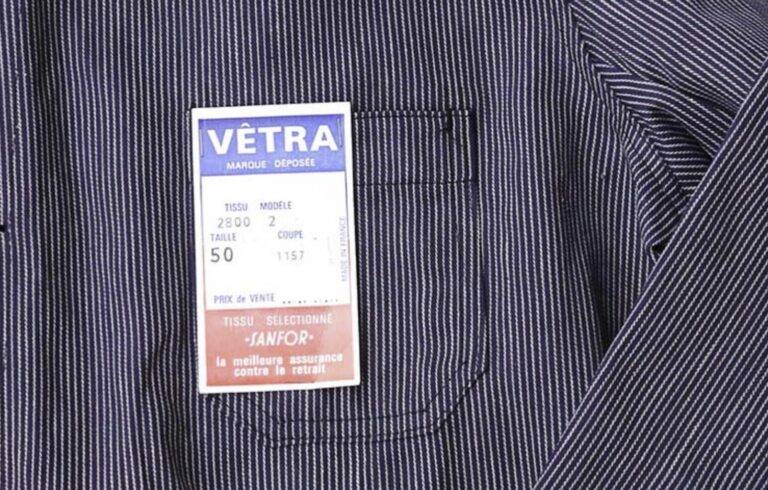
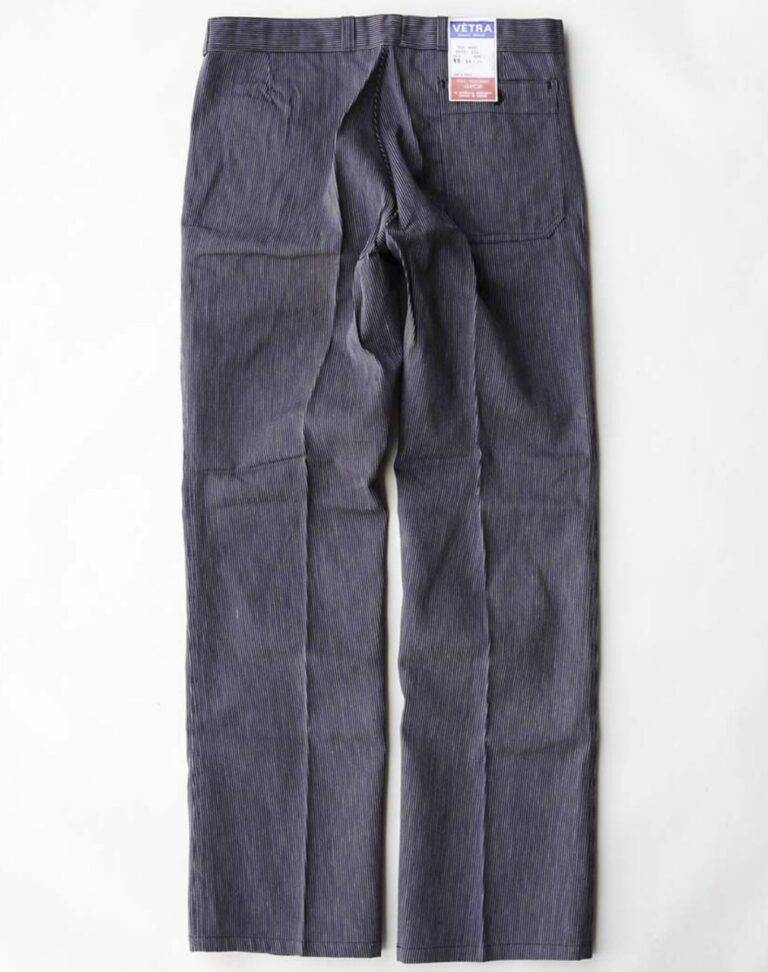
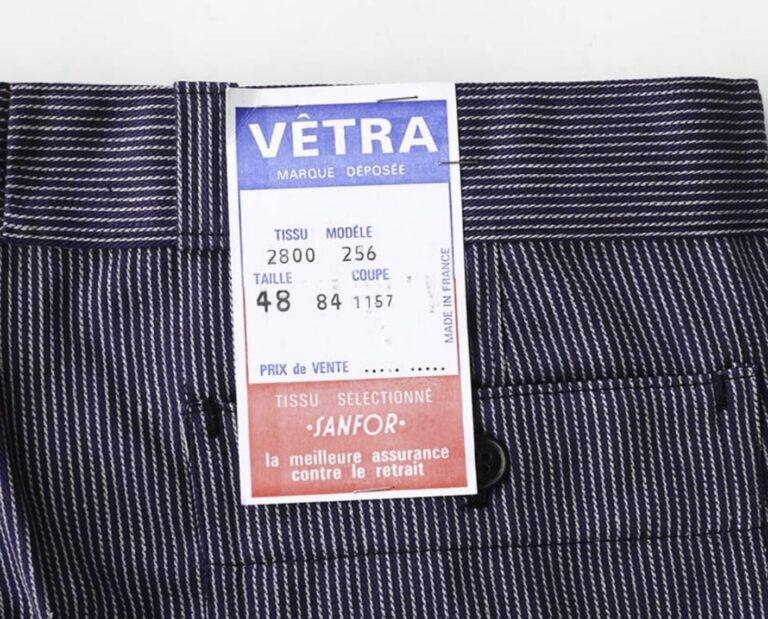
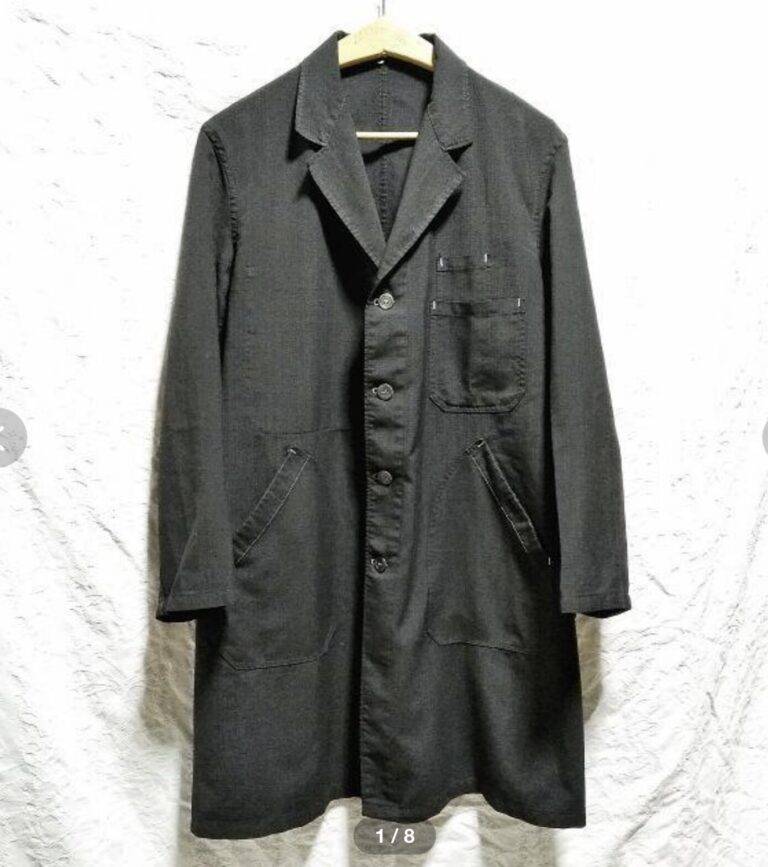
MID - LATE 1970s
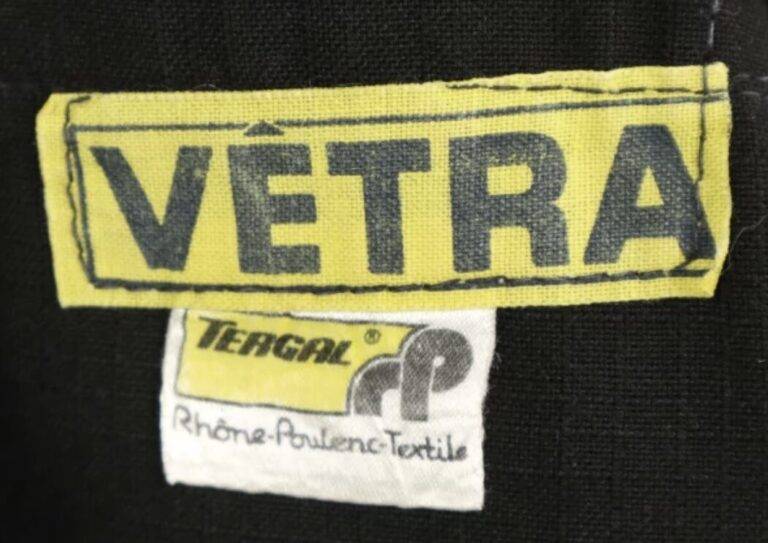
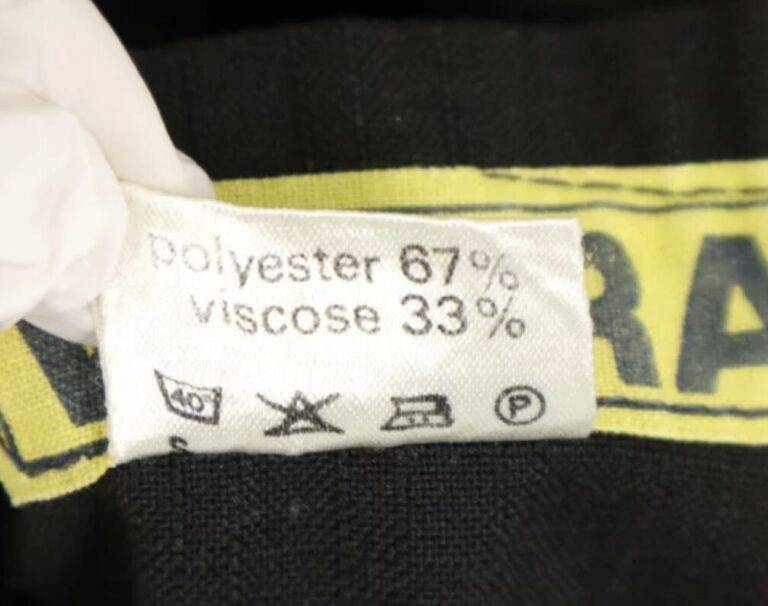
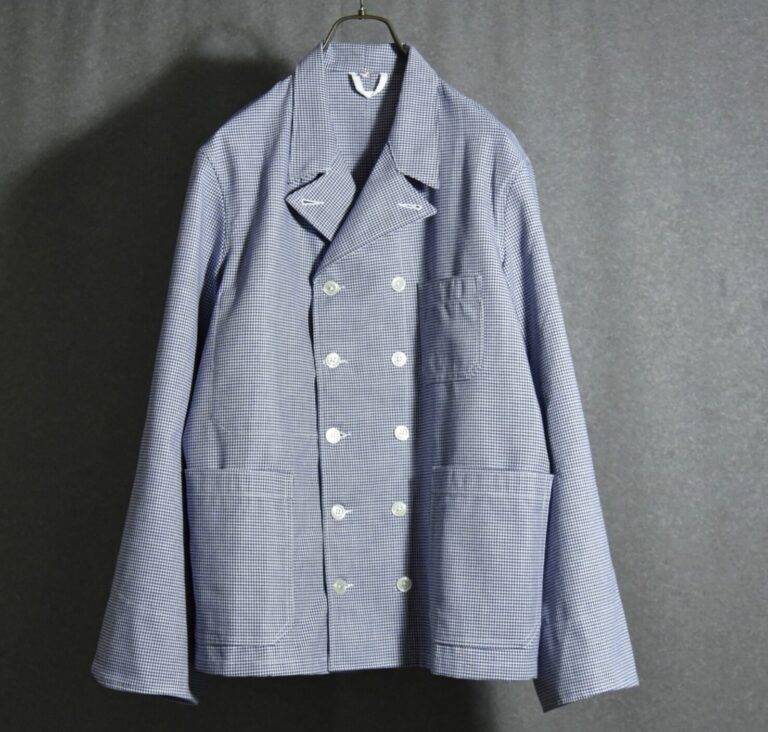
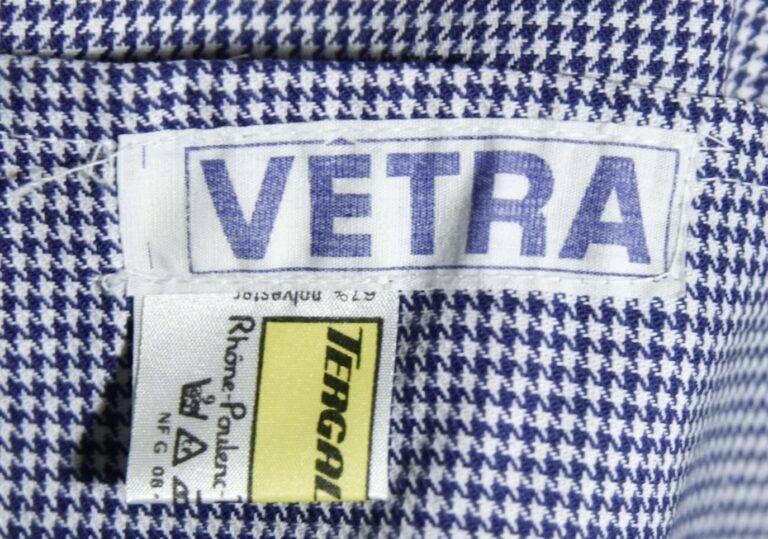
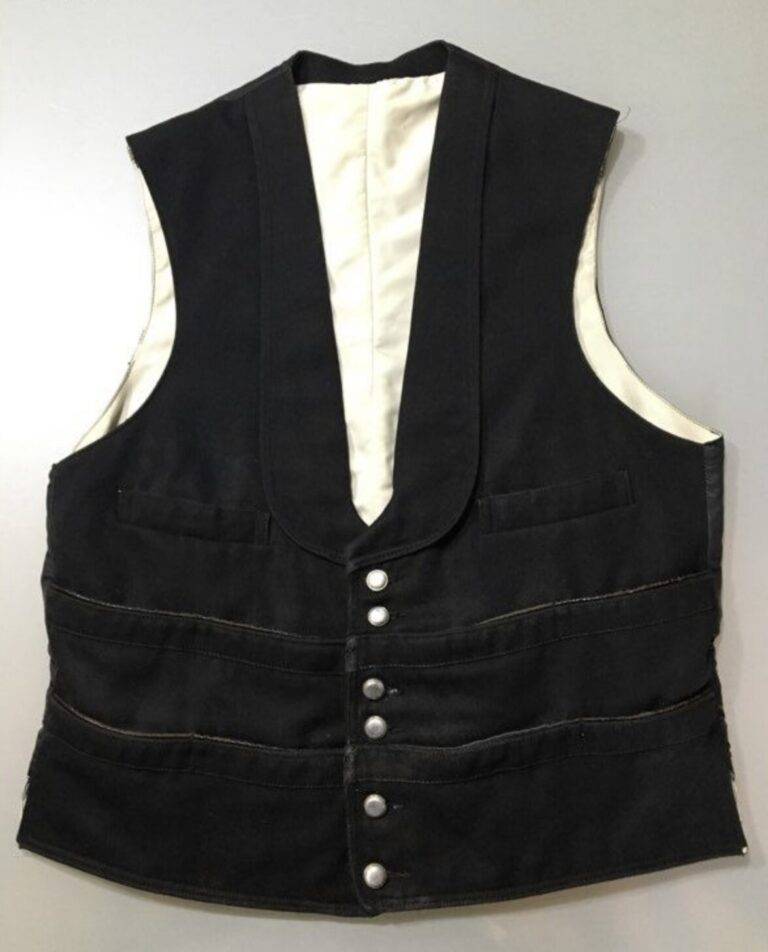
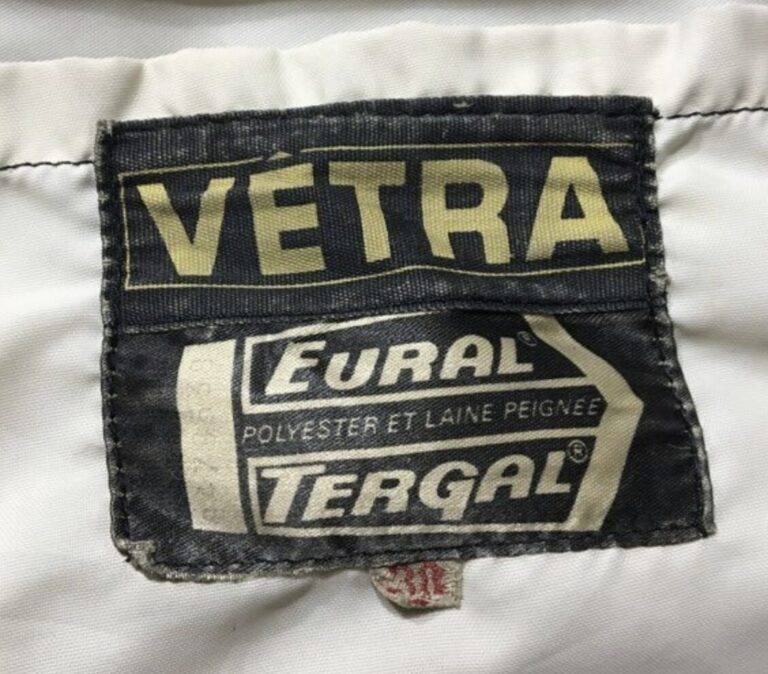
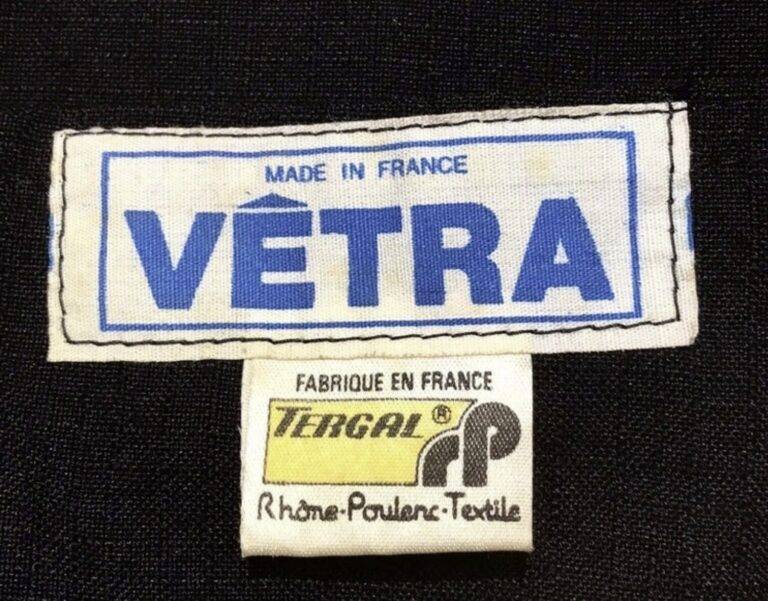
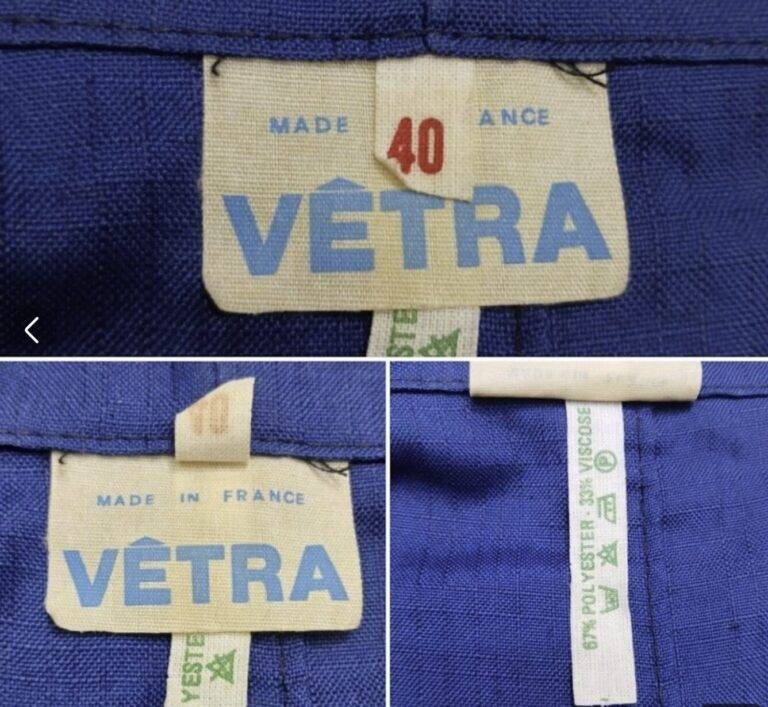
- The fact that this “TERGAL” label is sewn into the interior of the garment indicates that the item contains polyester fiber.
- Material brand name: “TERGAL”
- Manufacturer name: “Rhône-Poulenc”
- Fiber name: “polyester” at the top of the label
- Standard code: French national standard number “NF G 08”
- Laundry symbols: A symbol indicating that the garment can be washed at up to 90°C, along with pictograms for “no chlorine bleach” and “iron (medium heat).”
内側タグ(TERGALラベル)から確認できる事実
・この「TERGAL」ラベルが製品の内側に縫い付けられている事実は、この服がポリエステル繊維を含んでいることを示しています。
・素材ブランド名: 「TERGAL」
・メーカー名: 「Rhône-Poulenc(ローヌ・プーラン)」社
・繊維名: ラベルの上部に「polyester」
・規格コード: 「NF G 08」というフランスの国家規格番号
・洗濯表示: 90度までの洗濯が可能であることを示すマーク、および塩素系漂白禁止、アイロン(中温)のピクトグラム。
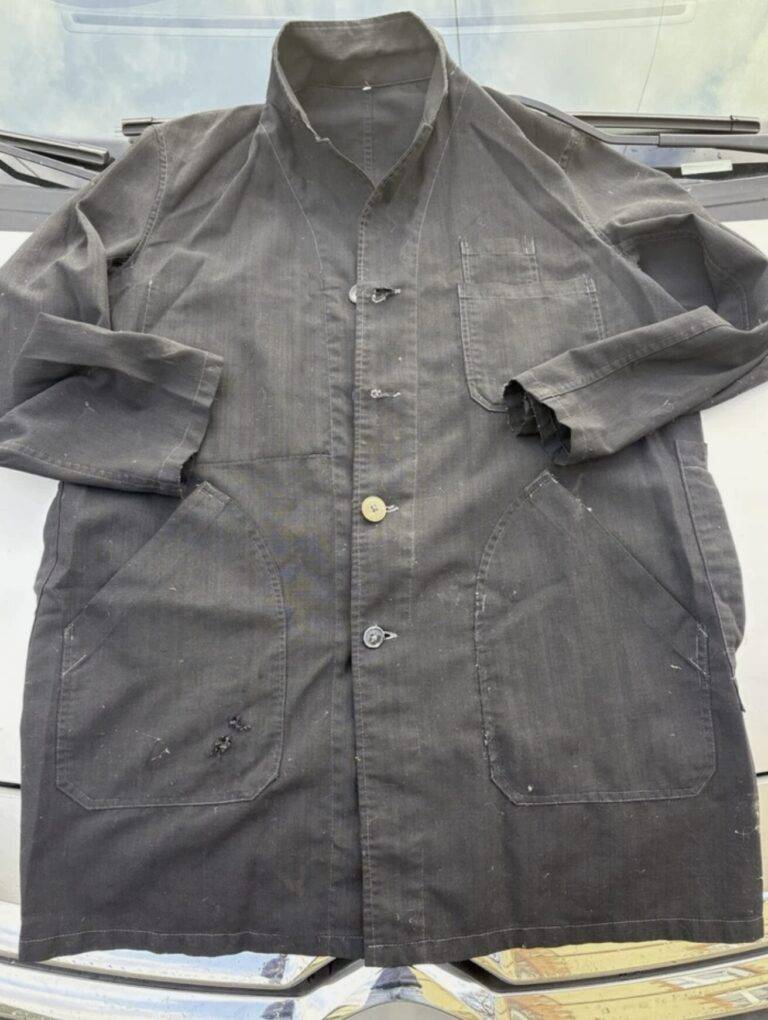
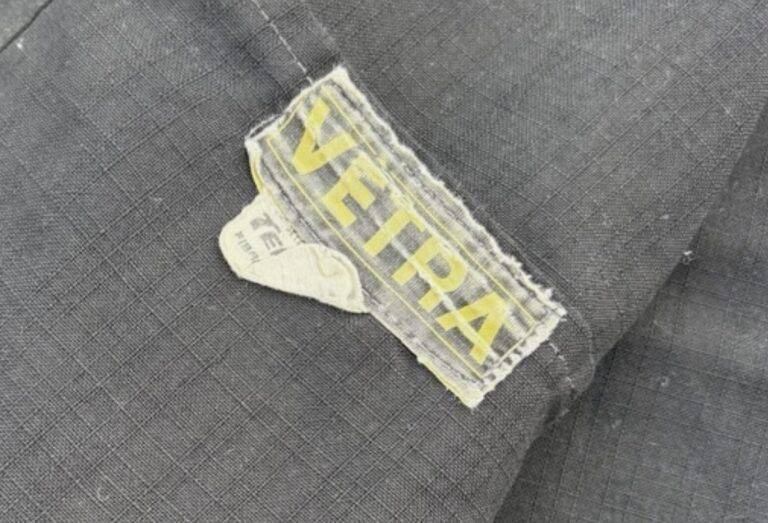
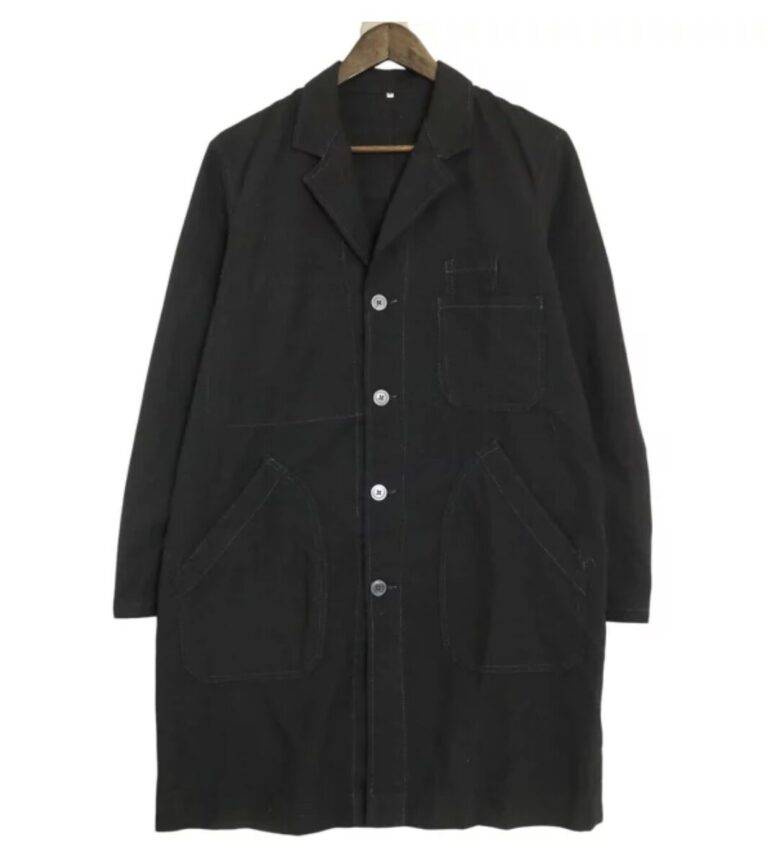
1980s
SANFOR® ERA
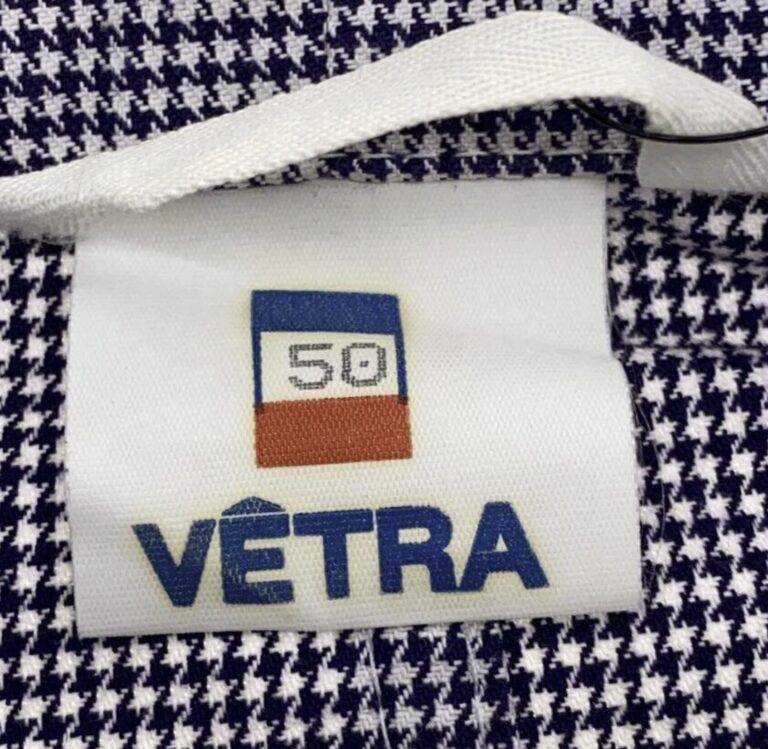
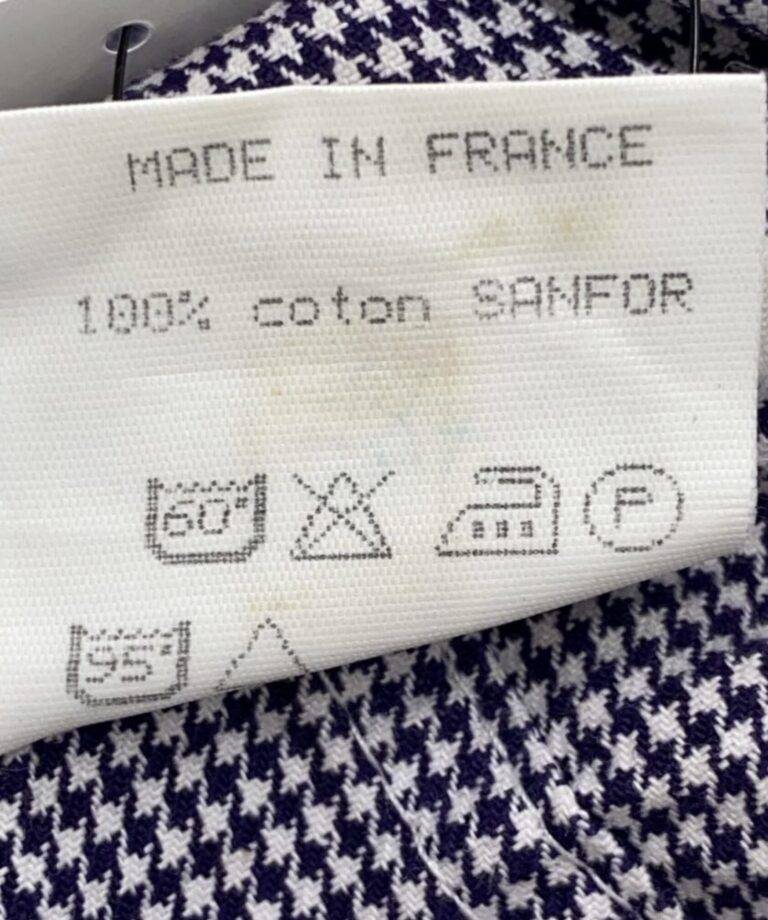
Key Points
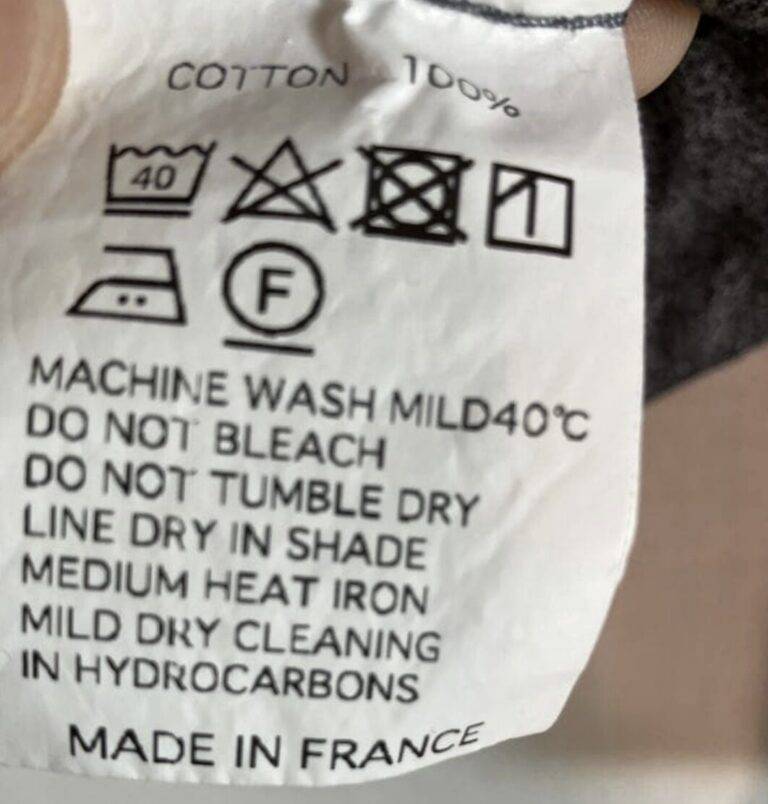
Care Symbols
・Washing symbols: ISO / GINETEX care label system
・Introduced: 1963 in Europe
・Early stage: often accompanied by written instructions or used on paper tags
・Later form: small labels using only pictograms became common later
Dry-Cleaning Symbol
・Circle with “F” (○F): hydrocarbon solvents
・Widespread use: late 1980s–1990s
・Earlier period: the “P” (○P) symbol was more common
1990s - 2000s
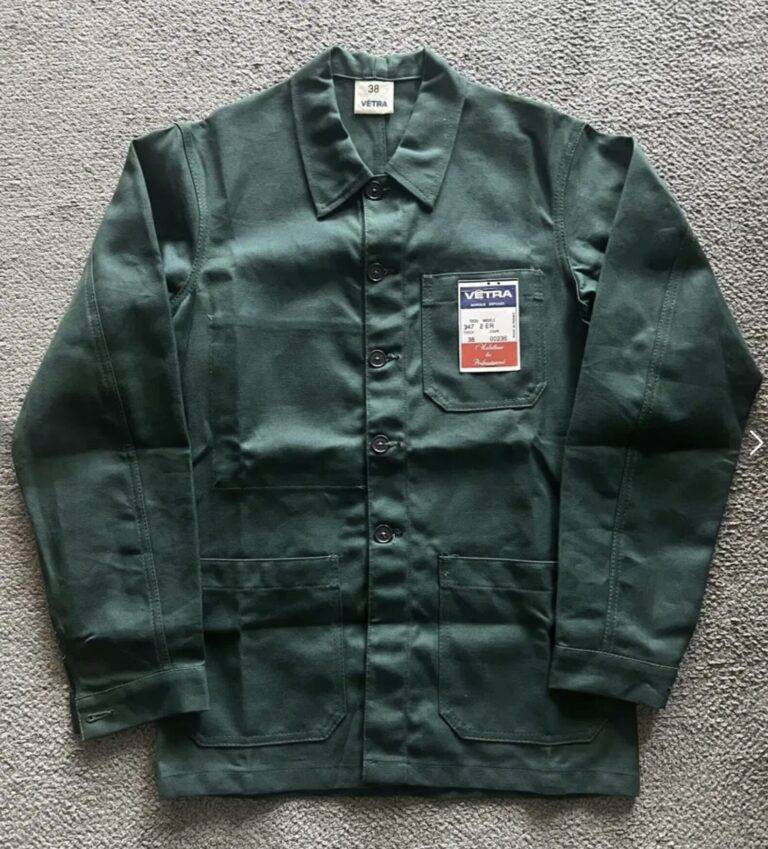
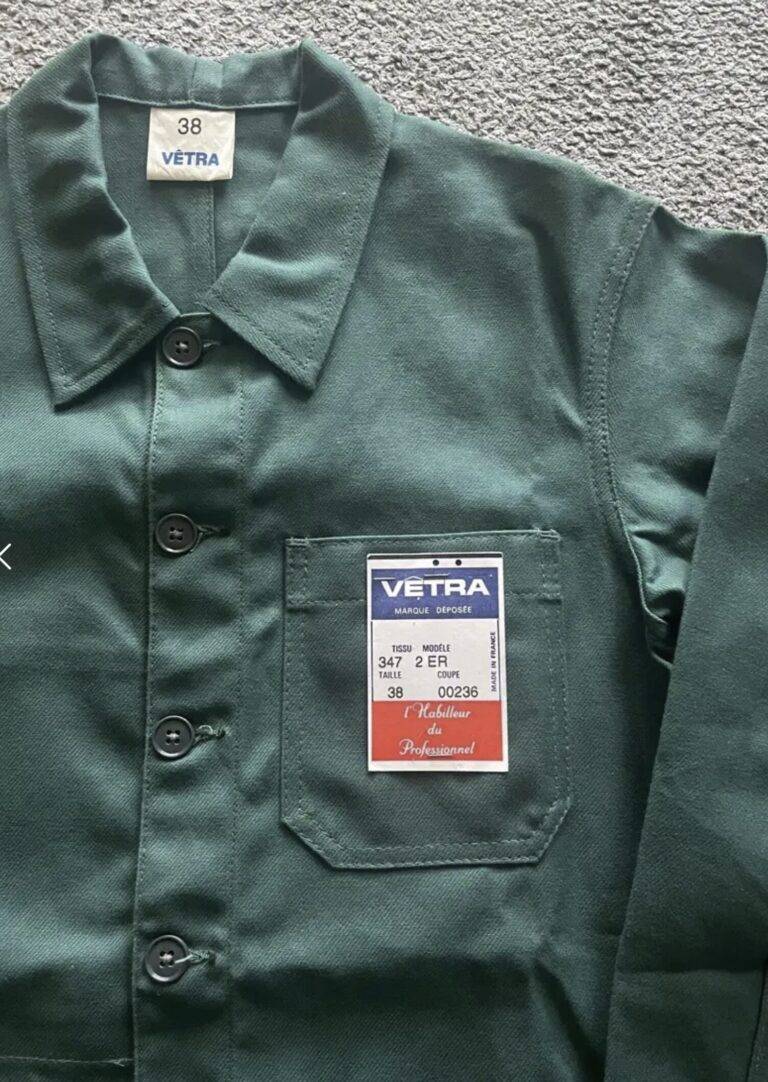
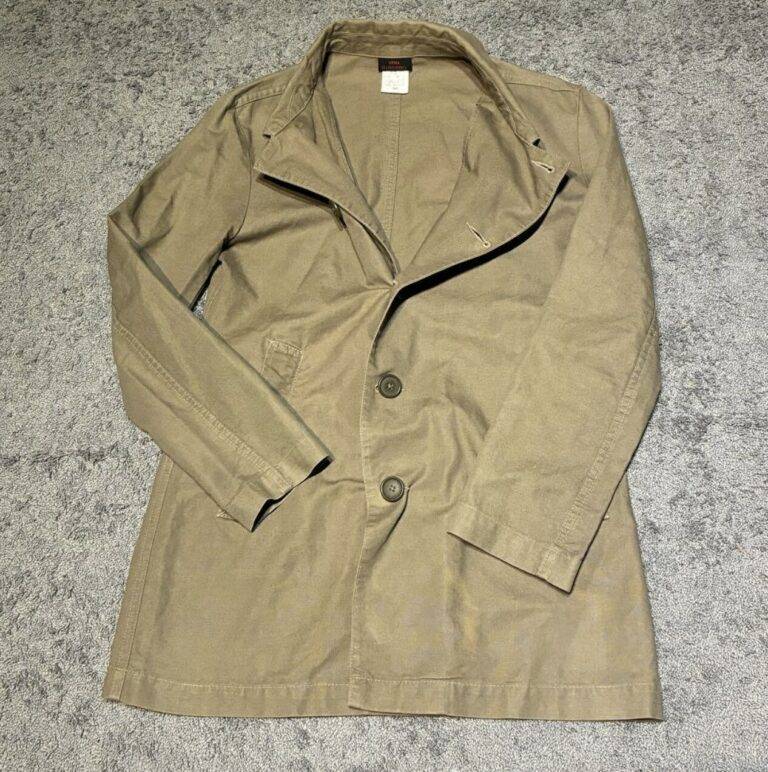
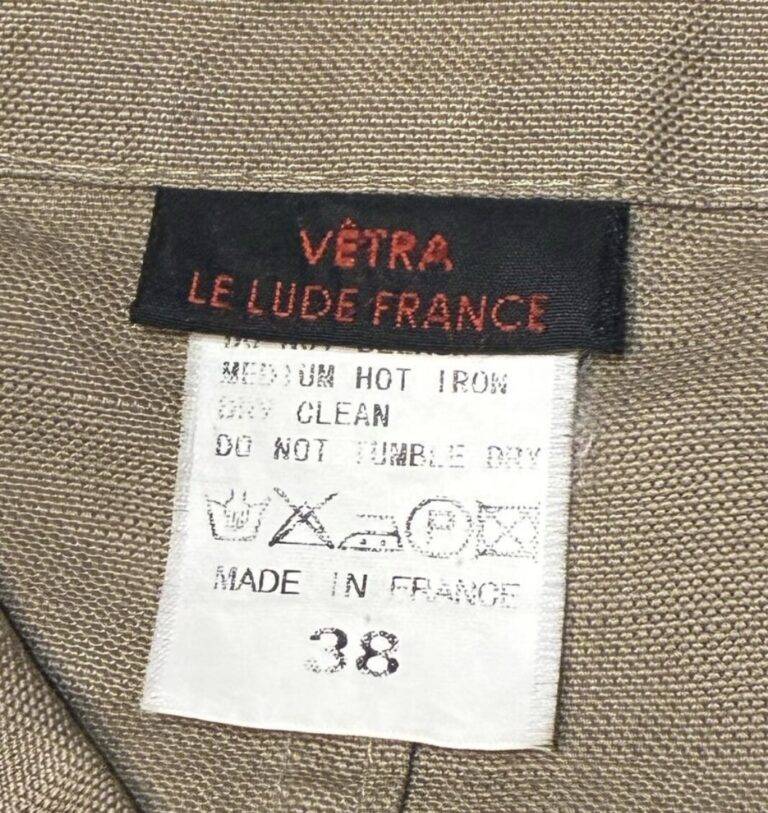
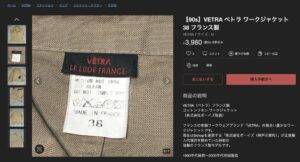
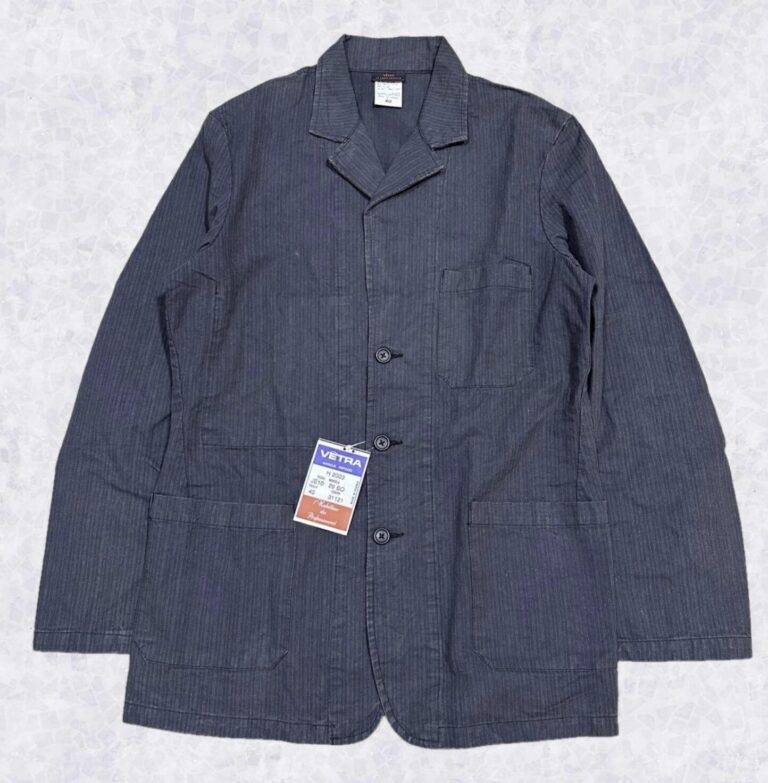
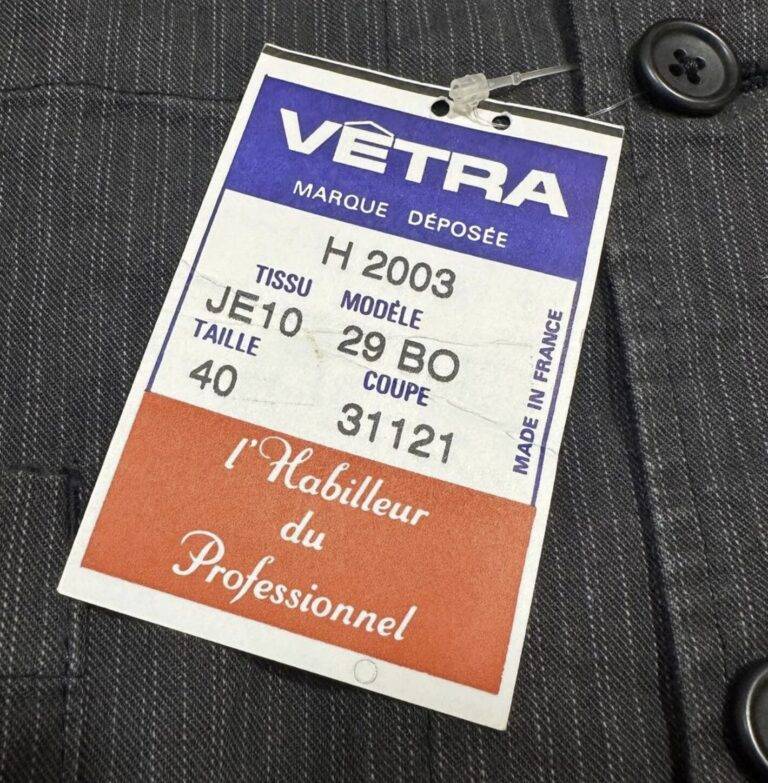
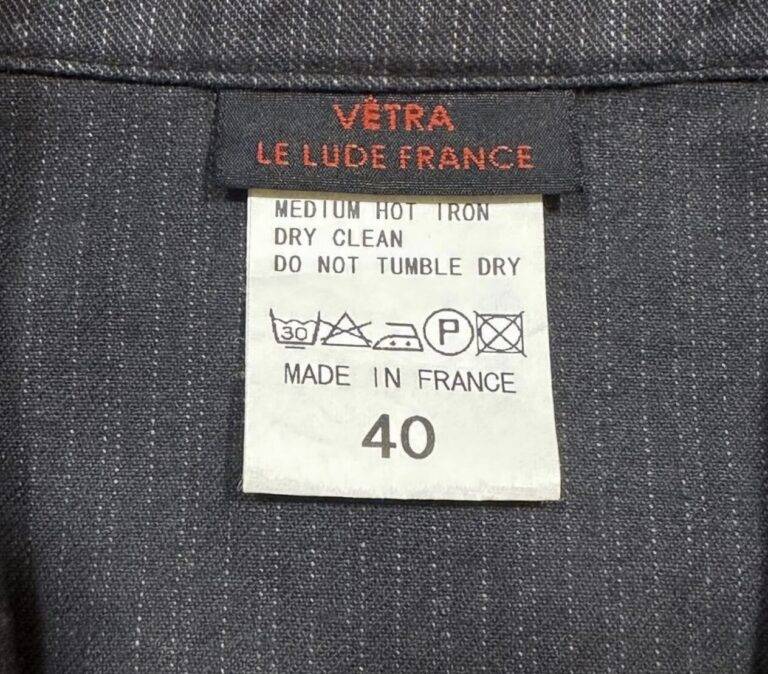
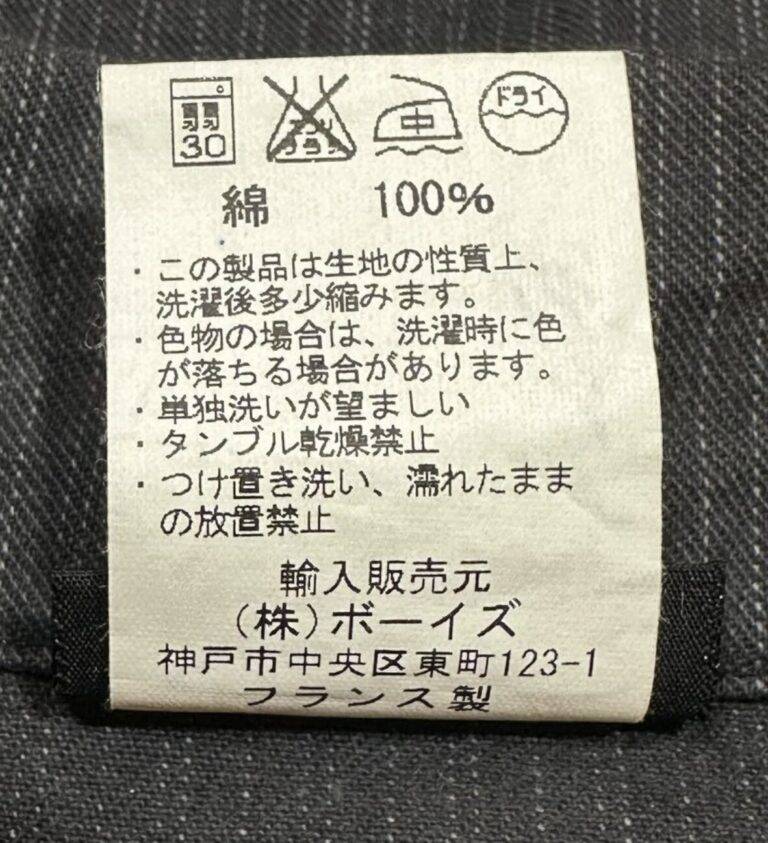
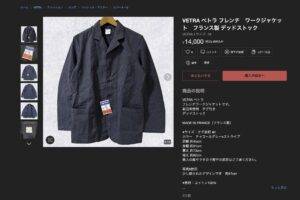
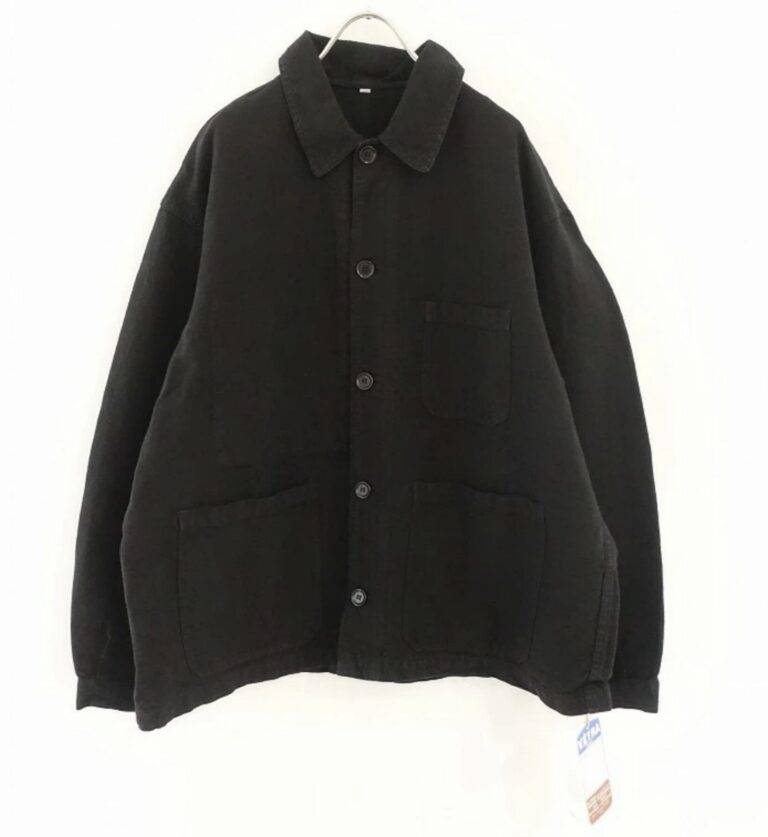
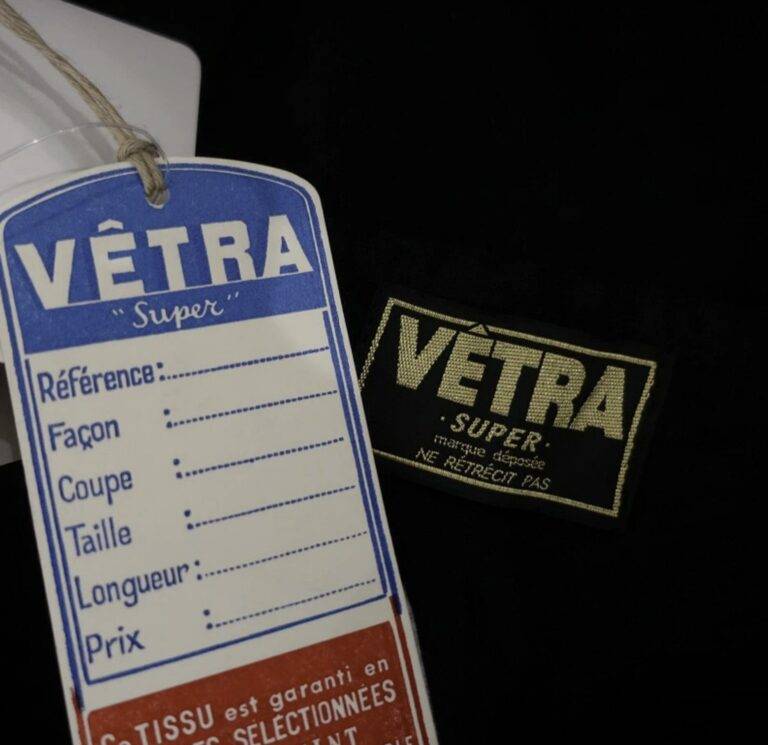
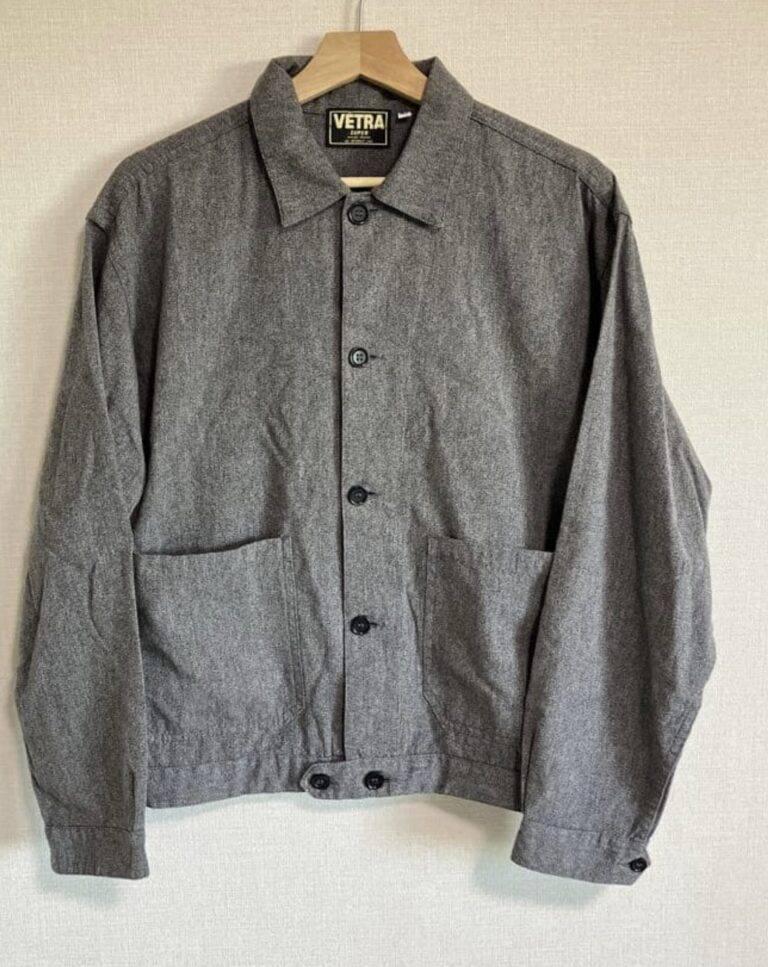
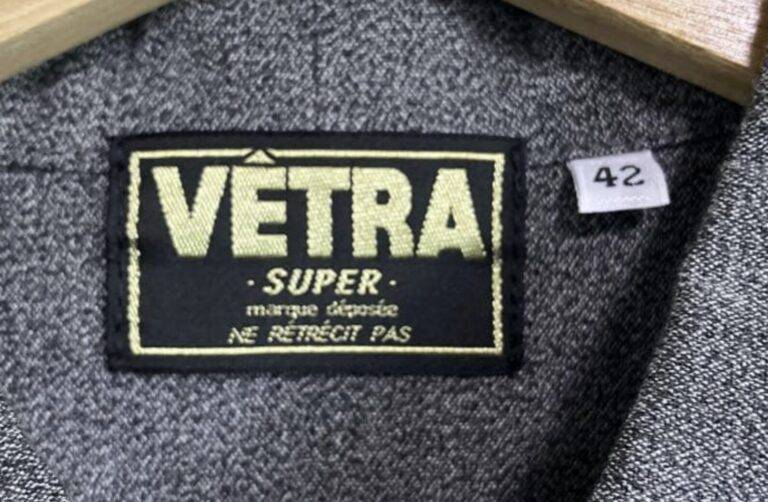
Reproduction MODEL

DONIGER BROTHERS
BEFORE Mcgregore
McGREGOR
An American giant, not just DRIZZLER®
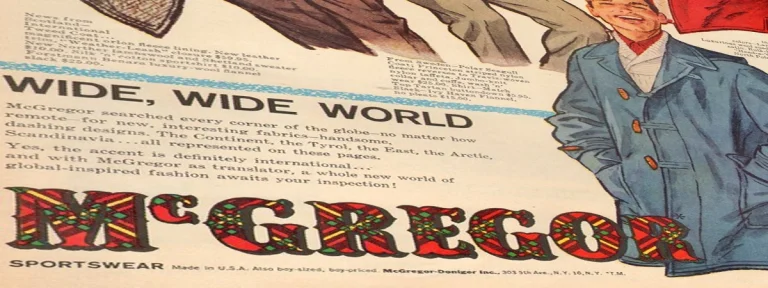
We know little about the history of the brand McGregor. Evolving alongside American sportswear and linking functionality with everyday life, it mirrors twentieth-century popular culture. It may seem outdated compared to today’s sports manufacturers, yet its trajectory—shaped by material innovations and corporate transformations—offers a key to understanding the American apparel industry. Let us now explore the history of this American giant, once the world’s largest sports brand.