GANT
IVY’s Standard Shirt Maker
Dec – 2025 30 MINS READ
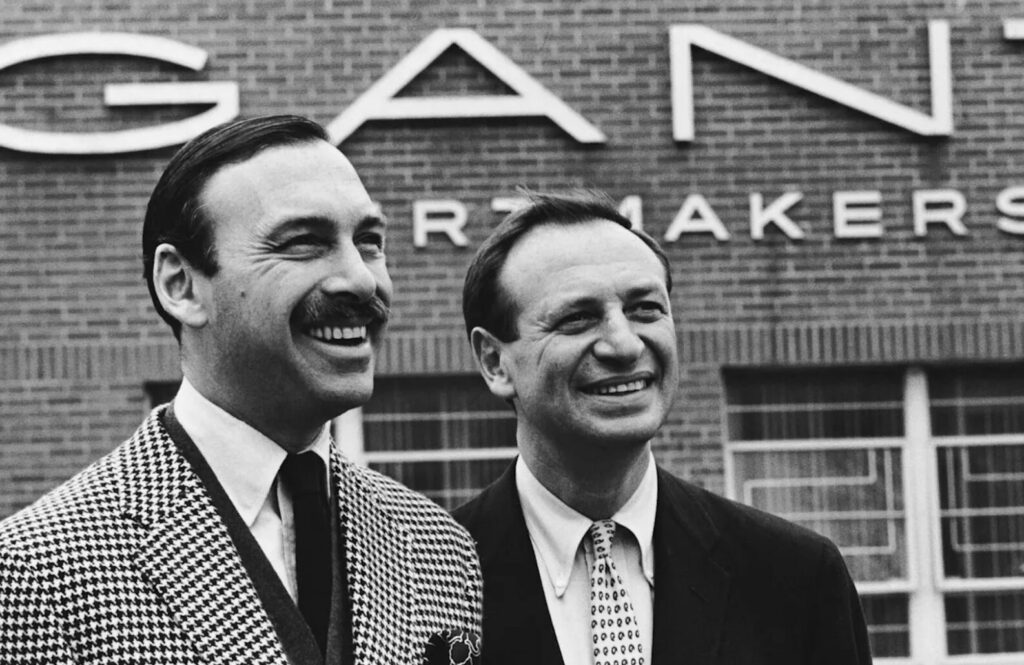
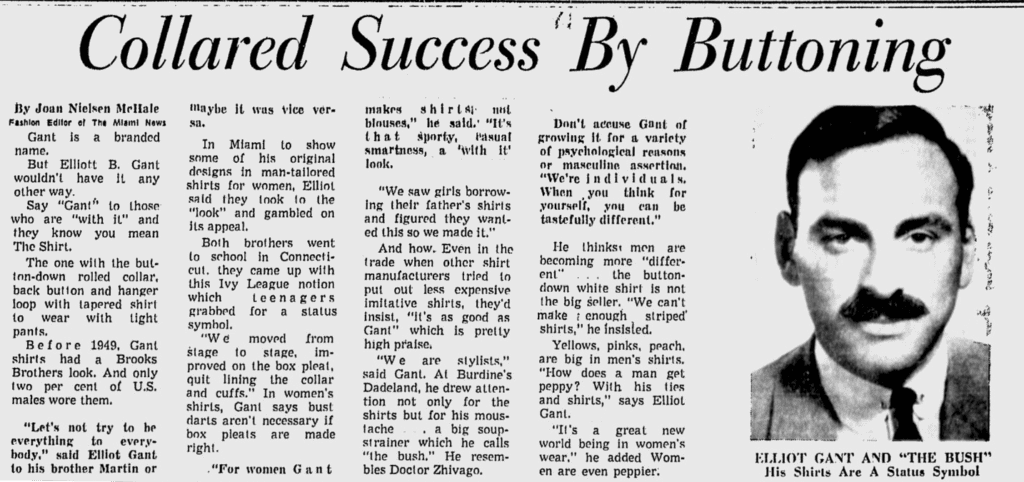
Elliot Gant was born Elliot Bernard Gantmacher in Brooklyn in 1926. He grew up in a family immersed in the garment trade. His father, Bernard Gantmacher, specialized in sewing shirt collars; his mother, Rebecca Rose, worked with buttons and buttonholes. Together with a business partner, Morris Shapiro, Bernard founded the Par-Ex Shirt Company, which produced shirts for Brooks Brothers and other retailers. In 1927, the company relocated to New Haven, Connecticut, then a center of American shirt manufacturing.Elliot entered the business gradually, beginning with basic factory work before serving in the U.S. Navy during World War II. After the war, he studied marketing at the University of Connecticut, while his older brother Martin focused on business administration. In 1949, the brothers persuaded their father to begin selling shirts under a new label: GANT.
From New Haven—within reach of Ivy League campuses, particularly Yale—the company began to build its identity. Advertising first appeared in publications such as The New Yorker, and GANT positioned itself as a shirtmaker associated with collegiate life. The button-down shirt, while not invented by the company, became closely identified with it as distribution expanded from campus stores to Madison Avenue and beyond. Under the direction of Elliot and Martin Gant, a number of practical refinements were introduced. Collar construction was adjusted to produce a distinctive roll. A box pleat was added to the back for ease of movement. An extra button was placed behind the collar to help keep the tie in position, along with a patented button tab designed to lift the knot. A hanger loop was added so the shirt could be hung without wrinkling. None of these details were radical in isolation, but together they defined the shirts most customers came to recognize as “GANT.”
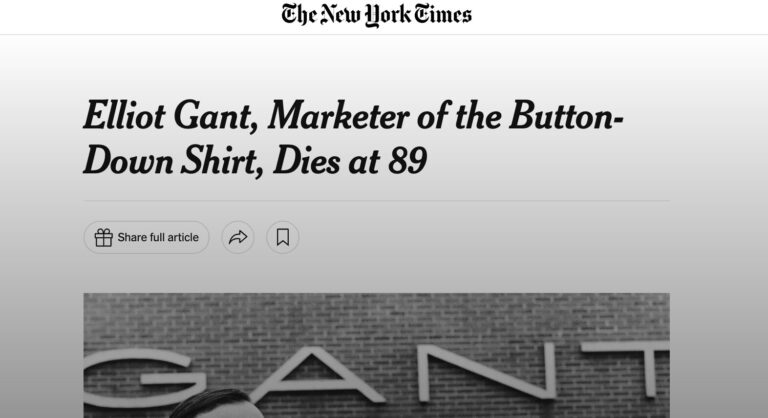
1907
It was in this garment work environment that he met Rebecca Rose, who was employed in the same workplace sewing buttonholes and attaching buttons. Multiple sources indicate that they later married. With the outbreak of the First World War, Gantmacher served in the United States Army and was stationed in France. After returning from military service, and following his marriage and completion of his studies, he made the decision to pursue an independent business venture.
In the early 1920s, Gantmacher, together with Morris Shapiro, established the Par-Ex Shirt Company in Brooklyn, New York. Par-Ex was a high-quality shirt manufacturing operation without its own consumer-facing brand and functioned primarily as an OEM producer. As the company expanded its order volume in the latter half of the 1920s, constraints such as rising labor costs and a shortage of skilled sewing workers in Brooklyn became increasingly apparent. As a result, the possibility of relocating to a more suitable production base began to be considered.Around 1927, Par-Ex Shirt Company is understood to have relocated to New Haven, Connecticut. New Haven was known as a center of high-quality shirt manufacturing, supported by a skilled workforce largely composed of Italian immigrants, and offered advantages in terms of quality, cost structure, and logistics. At this stage, the “GANT” brand had not yet been established, and Par-Ex continued to operate solely as a well-regarded shirt manufacturing factory.
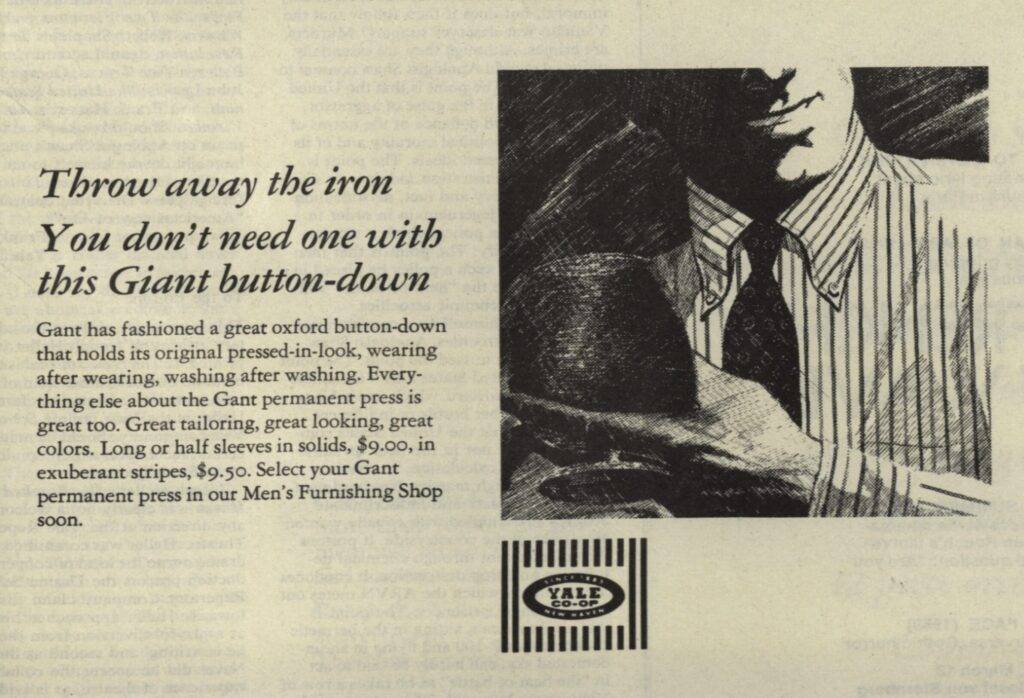
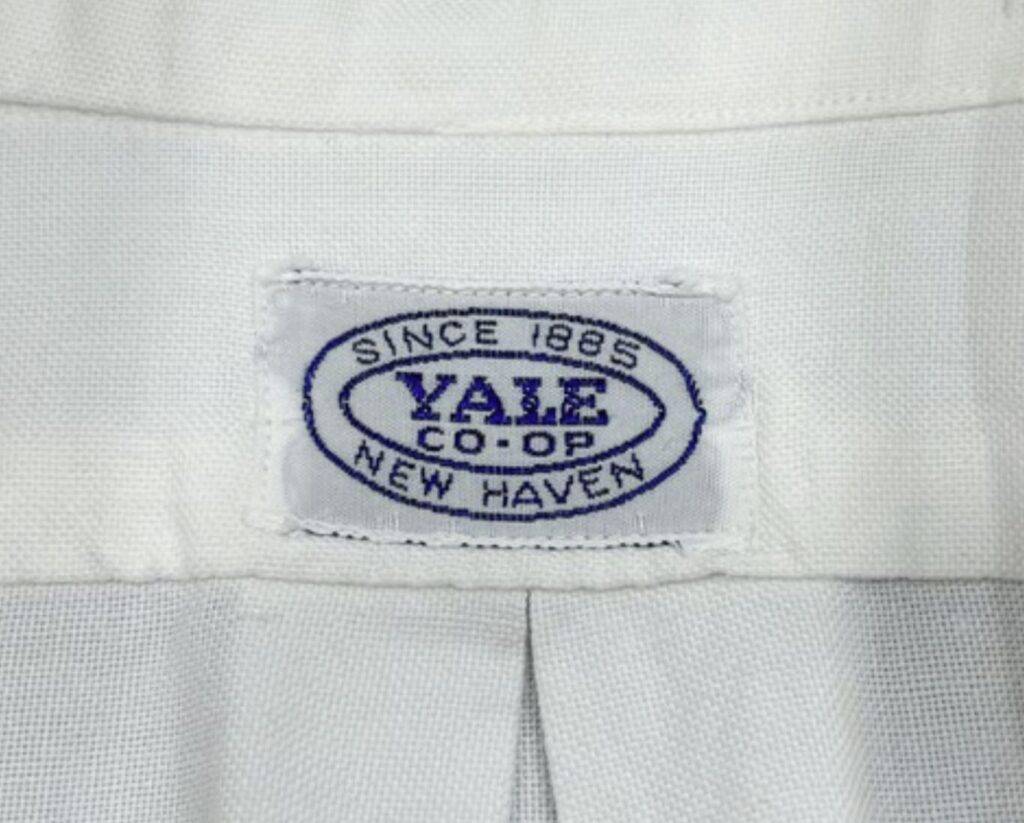
Regarding the period following the move to New Haven, memoirs and testimony from individuals within the apparel industry suggest that Par-Ex supplied shirts to retailers such as Brooks Brothers, J. Press, and the Yale Co-op, producing garments that would later be regarded as foundational to what is now known as Ivy League style.
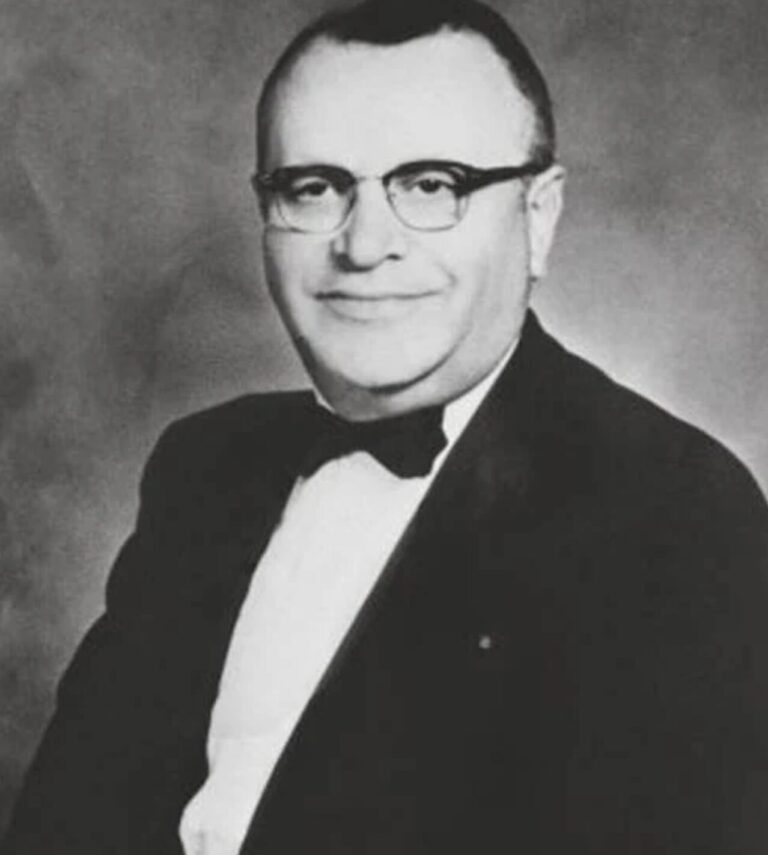
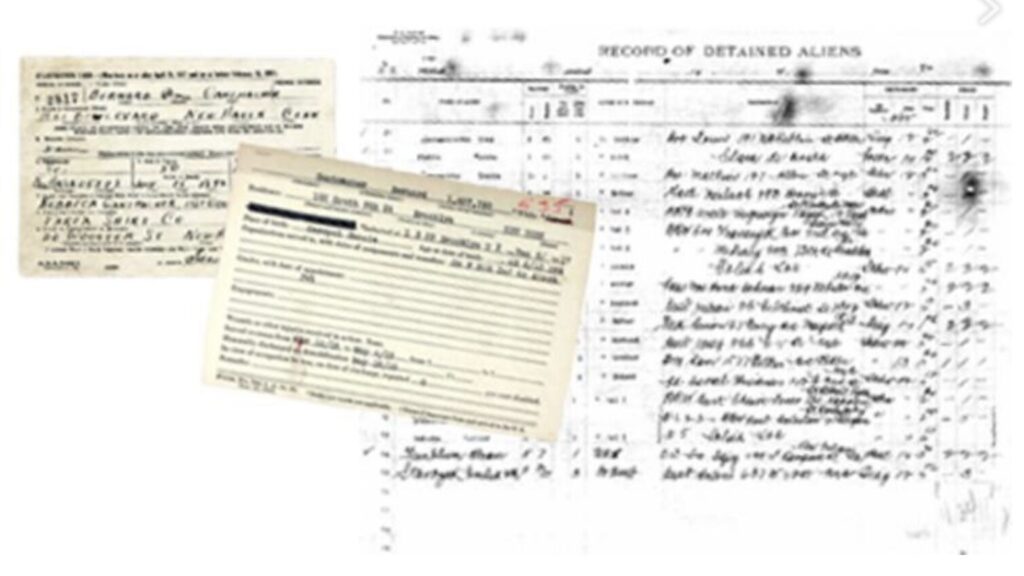
Bernard Gantmacher
Par-Ex Shirt Company was established in the early 1920s in Brooklyn, New York, by Bernard Gantmacher and Morris Shapiro as a shirt manufacturing operation without its own consumer brand. The company specialized exclusively in the production of dress shirts and operated primarily through contract manufacturing for other firms—what would now be described as OEM or white-label production—with a reputation for high-quality workmanship.
Around 1927, Par-Ex Shirt Company relocated its manufacturing operations to New Haven, Connecticut, specifically to Wooster Street. At the time, New Haven was a city in which the shirt industry functioned as one of the core pillars of the local economy. The city had a concentrated workforce of skilled garment laborers, largely composed of Italian immigrants, making it a favorable environment for shirt manufacturing in terms of labor quality, production stability, and scalability. Following the relocation, Par-Ex continued operations as one of the principal shirt factories based in New Haven.
PAR-EX SHIRT FACTORY IN NEWHAVEN
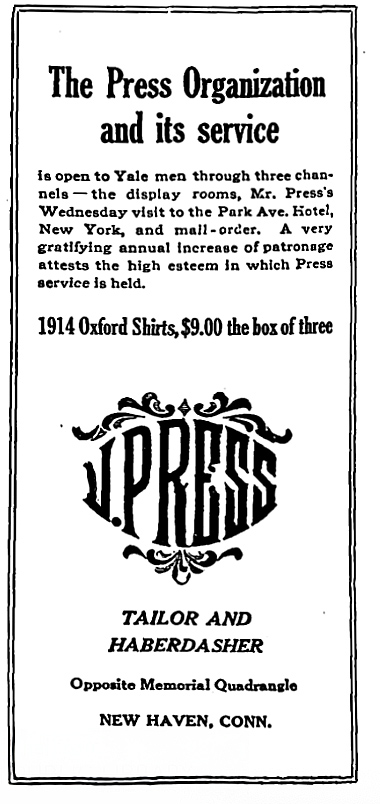
※ Addendum
According to the IVY STYLE site, J. Press shirts were produced by different makers depending on the period. From the turn of the 20th century until World War II, most J. Press shirts were made in England using J. Press’s own patterns, under the supervision of the British importer Welch, Margetson & Co.
With the onset of the 1930s, New Haven’s shirt industry was severely affected by the Great Depression. Wages declined, piece-rate compensation systems intensified, and long working hours became commonplace. Contemporary records and oral histories indicate that shirt factories in particular relied heavily on young workers and immigrant women, who were employed at low wages and labored under poor working conditions.
Against this backdrop, labor organization efforts in New Haven accelerated beginning in 1932. The Amalgamated Clothing Workers of America initiated campaigns to unionize garment workers across the city. In 1933, Brewster Shirt Company was among the first to sign a union contract, followed shortly thereafter by D&I Company, Ideal Company, and Par-Ex Shirt Company. The inclusion of Par-Ex among these firms indicates that it was regarded as part of the core group of shirt manufacturers operating within New Haven at the time. Worker testimonies from the period describe conditions within shirt factories—including those at Par-Ex—as lacking adequate heating or cooling, relying on unstable piecework wages, and, in some cases, involving underage labor. The labor movements of the 1930s thus emerged as direct responses to everyday working realities rather than abstract ideological conflicts. Despite operating under significant economic and social strain during the Depression, Par-Ex continued production, positioning it as a factory that sustained operations amid prolonged instability.
During the Second World War, shirt manufacturers faced additional challenges, including material rationing and fluctuations in labor availability. These conditions further complicated efforts to maintain stable production. Nevertheless, multiple accounts suggest that during its New Haven period, Par-Ex supplied shirts to prominent retailers such as Brooks Brothers and J. Press, as well as to leading local merchants and university cooperative stores, including the Yale Co-op. These shirts are often described as forming part of the foundation of what would later be recognized as Ivy League style. Following the end of the war, the United States entered a period of rapid economic growth, accompanied by the expansion of the ready-to-wear clothing market and the accelerating casualization of dress. For Par-Ex, which had accumulated decades of manufacturing experience, this postwar boom represented a moment of structural opportunity. During this period, Bernard Gantmacher’s sons, Marty and Elliot, became increasingly involved in the business. As a result, discussions emerged regarding a shift away from exclusive reliance on contract manufacturing toward the development of products under an independent name.
In 1949, Bernard Gantmacher dissolved his partnership with Morris Shapiro and formally separated from the Par-Ex Shirt Company lineage, launching a new shirt business under the name GANT. The manufacturing expertise and human capital cultivated within Par-Ex thus became reorganized under the GANT name. Following the split, Morris Shapiro went on to establish SERO Shirtmakers.
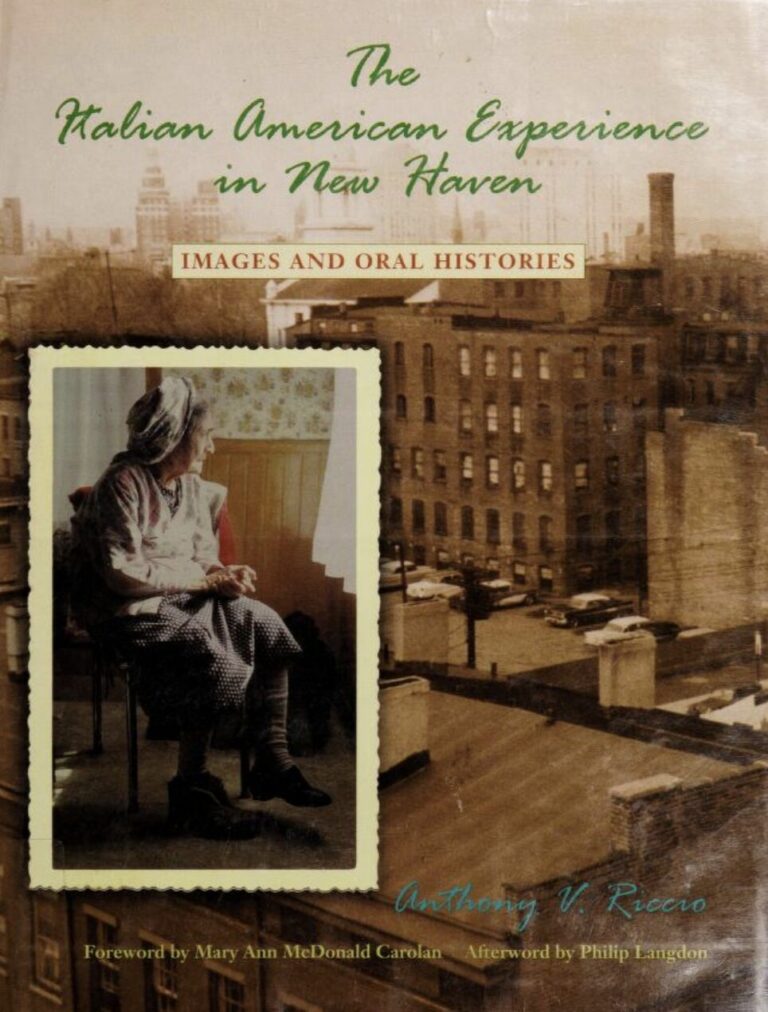
1949~
130 Haven St, New Haven, CT usa gant
At the same time, Par-Ex continued to operate as a shirt factory based in New Haven, supplying shirts to prominent local retailers, including J. Press. However, later recollections suggest that by around 1950, the volume that could be absorbed by individual specialty retailers remained limited. Although Par-Ex also undertook manufacturing work for Paul Stuart and other accounts, these relationships did not provide sufficient scale for sustained expansion.
Richard Press recalls the tension this situation produced, describing a conversation at a party in New Haven:
“I remember going head to head with Elliot and Marty at a party in New Haven. ‘We worked in your stockroom and you only buy a few sport shirts from us,’ they said.”
Against this backdrop, the brothers began to pursue a broader retail base. As recalled by Press, this effort resulted in a large-scale supply agreement with the Hart Schaffner & Marx Retail Group, including Wallach’s, covering more than one hundred stores. This marked a decisive shift away from reliance on a small number of specialty retailers toward national-level distribution.Through these experiences, Marty and Elliot came to recognize the limitations of remaining solely within the contract-manufacturing framework of Par-Ex, while also gaining confidence in the commercial viability of their product beyond individual Ivy League shops.
These developments formed a critical prelude to the decision taken in 1949, when Bernard Gantmacher dissolved his partnership with Morris Shapiro and, branching from the Par-Ex lineage, initiated a new shirt business under the name “GANT.”
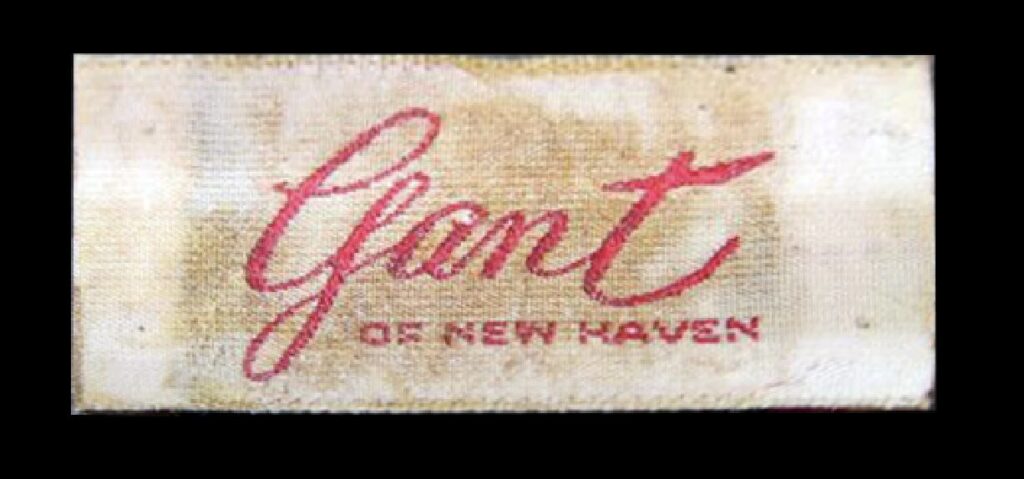
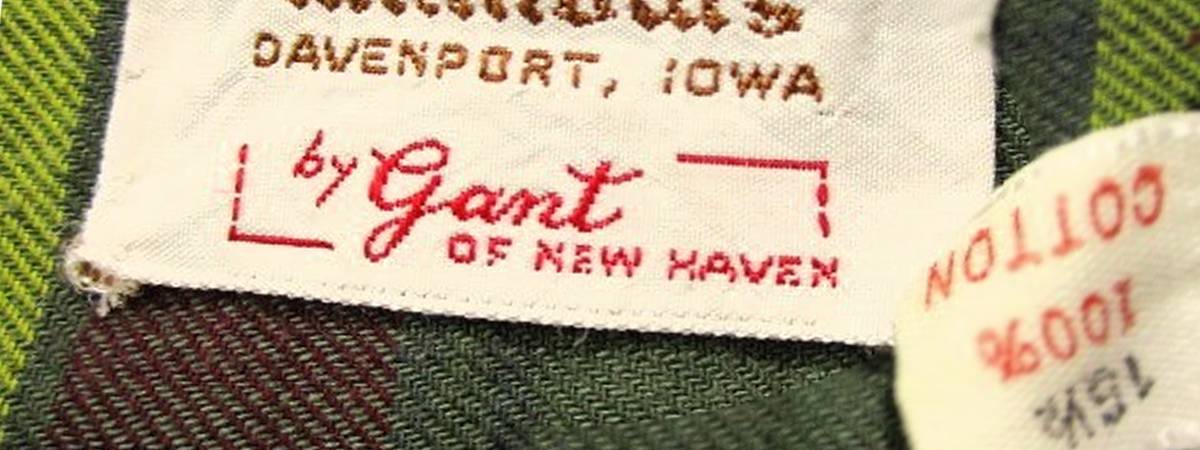
GANT OF NEW HAVEN 最初期タグ
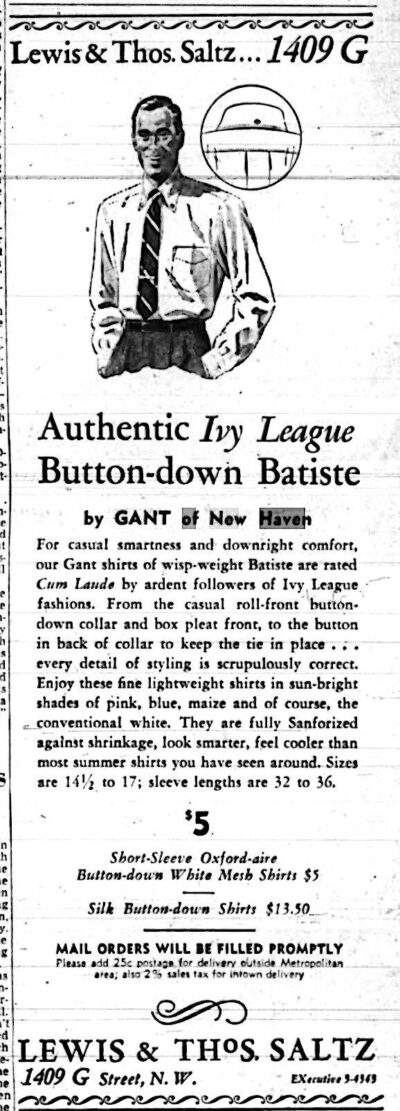
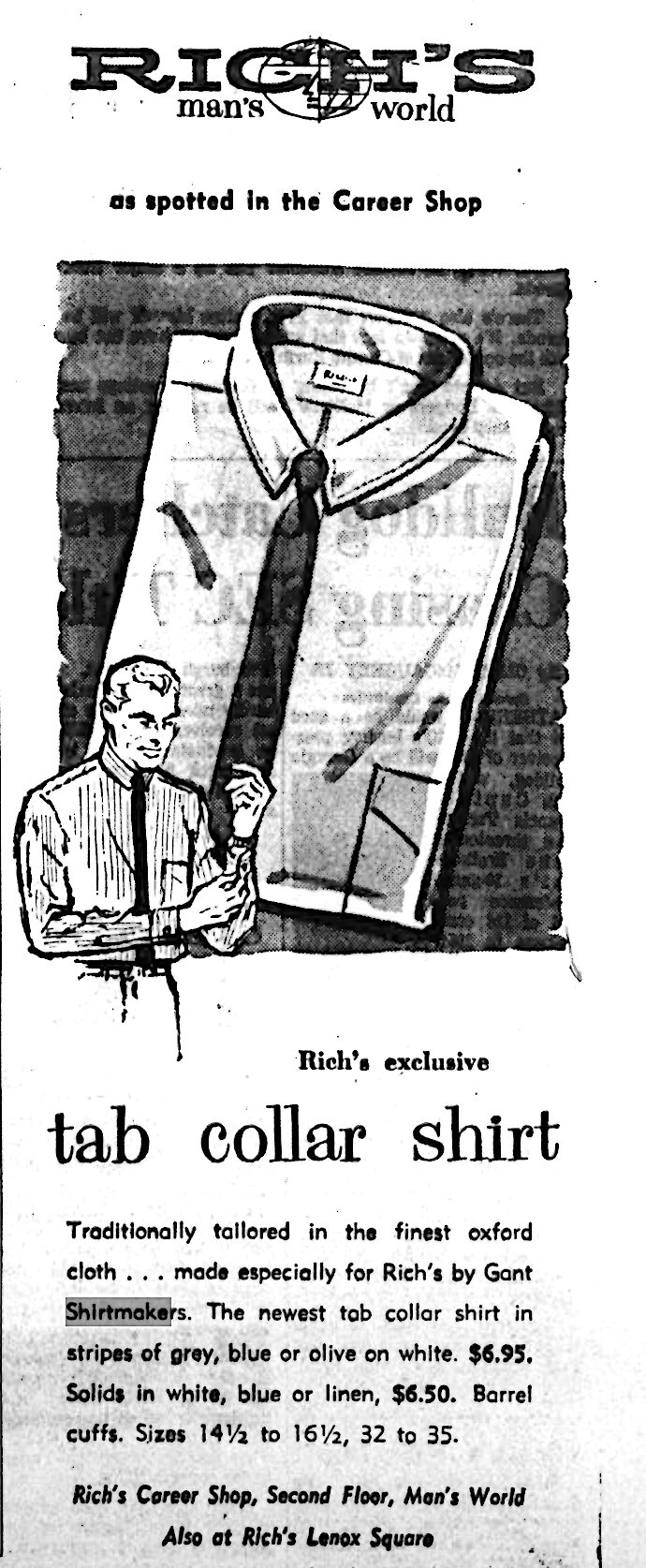
The significance of this GANT of New Haven advertisement lies in the placement of a button at the back of the collar to secure the tie. (As stated in the advertisement: “from the casual roll-front button-down collar and box pleat front, to the button in back of collar to keep the tie in place … every detail of styling is scrupulously correct.”) It also demonstrates that by the 1950s, the button-down shirt was already defined within the framework of Ivy League style, or Ivy fashion.
The family regarded their role in shaping this new style as a significant turning point. In 1954, they reflected this shift by changing the company name to GANT of New Haven.This strategy coincided with a phase of rapid operational expansion. In 1955, Gant opened a new factory at 130 Haven Street in New Haven.
That same year, founder Bernard Gantmacher died. By this point, however, the company’s organizational structure and market position were sufficiently established that operations continued to expand in the postwar economic climate.
Through the late 1950s and into the 1960s, Gant maintained multiple manufacturing sites, including additional locations on East Street and at 162 James Street in New Haven, as well as facilities in West Haven (Wood Street), Wauregan, Connecticut, Kingston, New York, and Salisbury, Maryland.
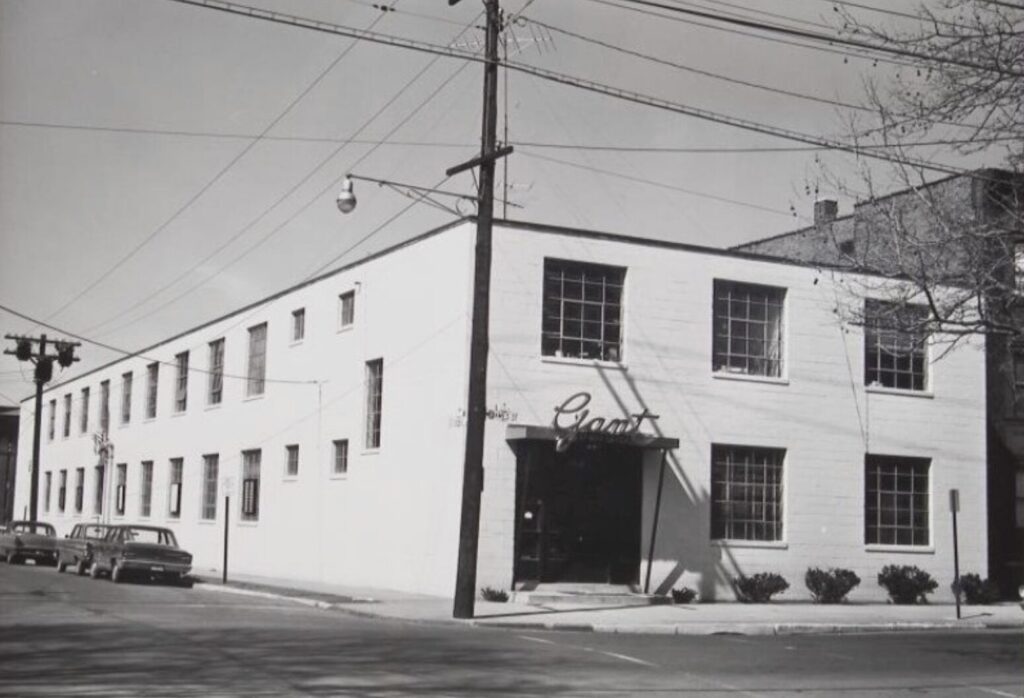
1950s GANT FACTORY at James St. © New Haven Museum
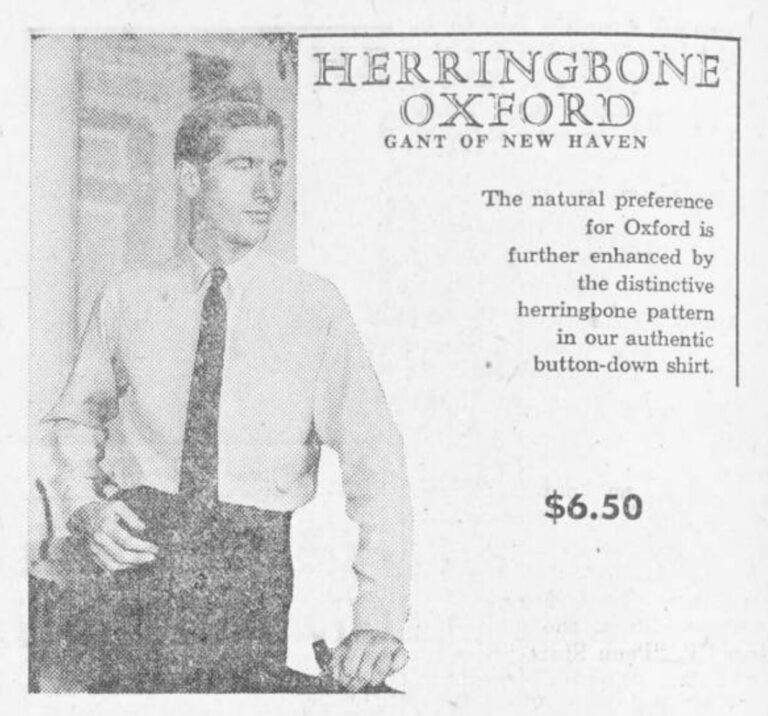
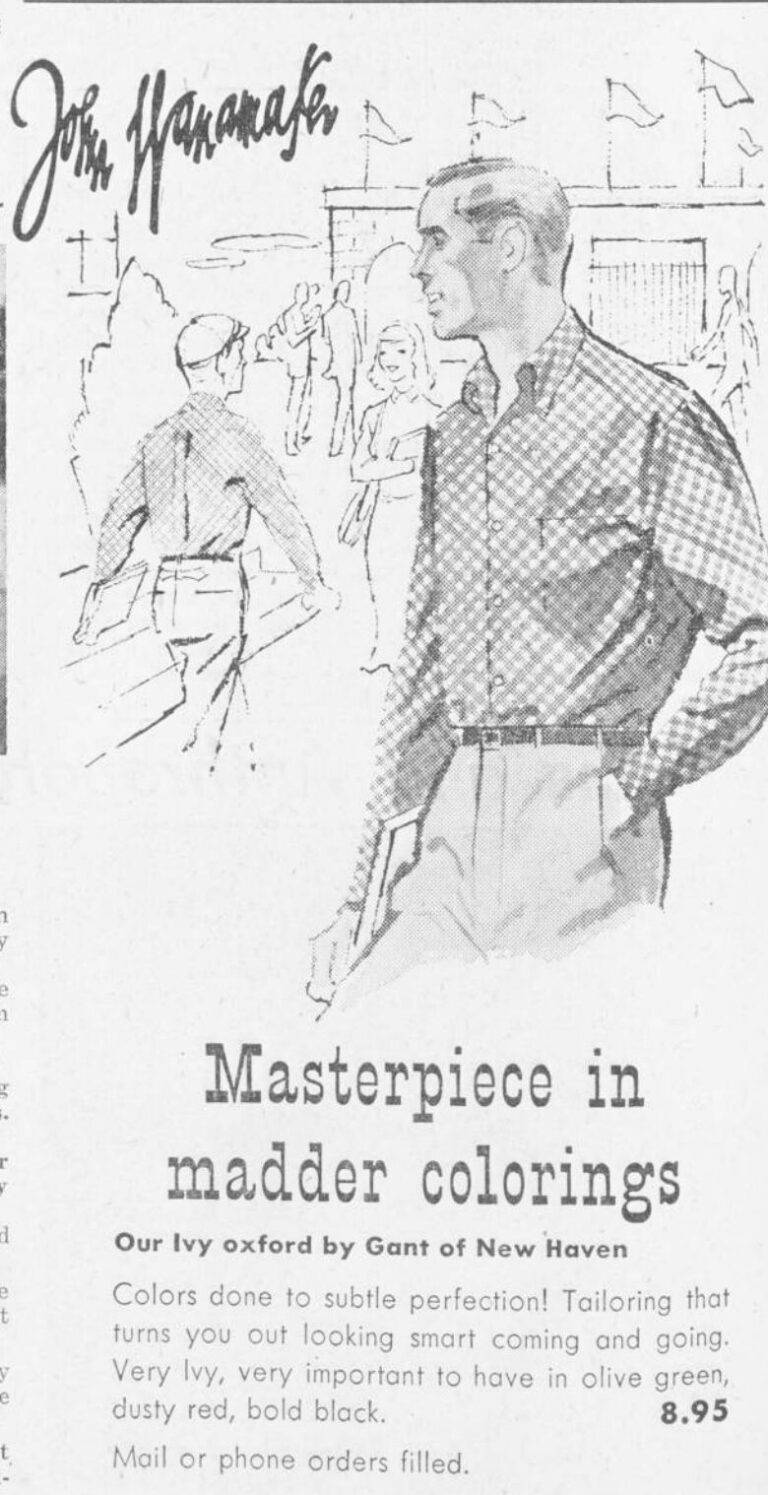
1957 The Daily Pennsylvanian, Volume LXXI, Number 3, 26 September 1957
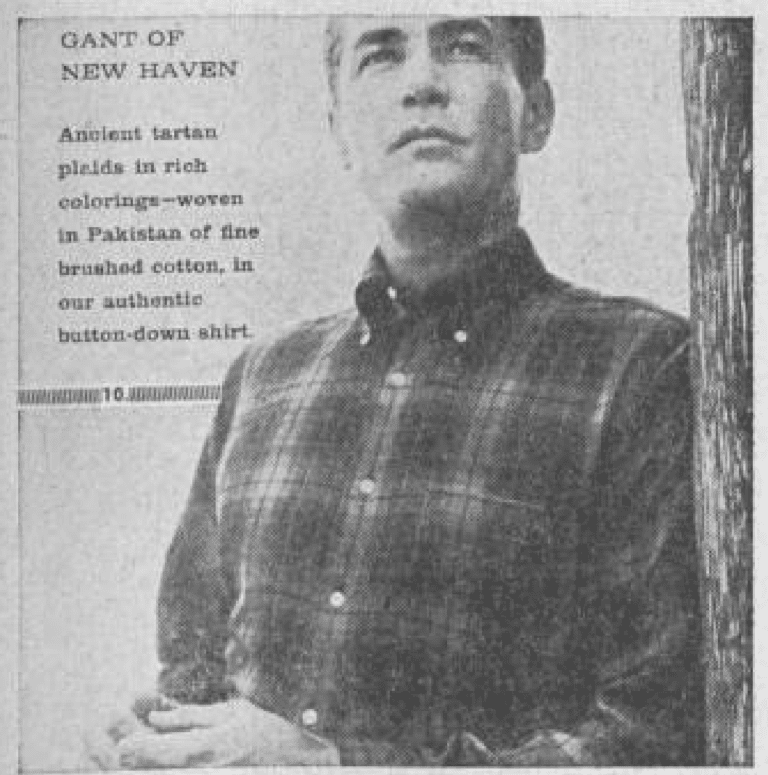
1958 The Daily Pennsylvanian, Volume LXXII, Number 41, 18 November 1958
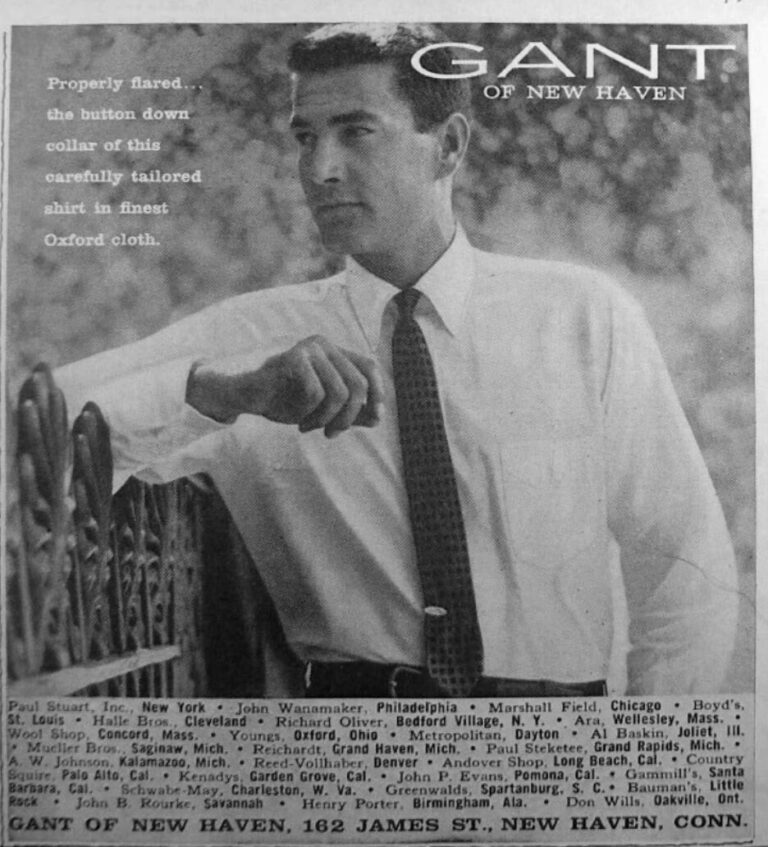

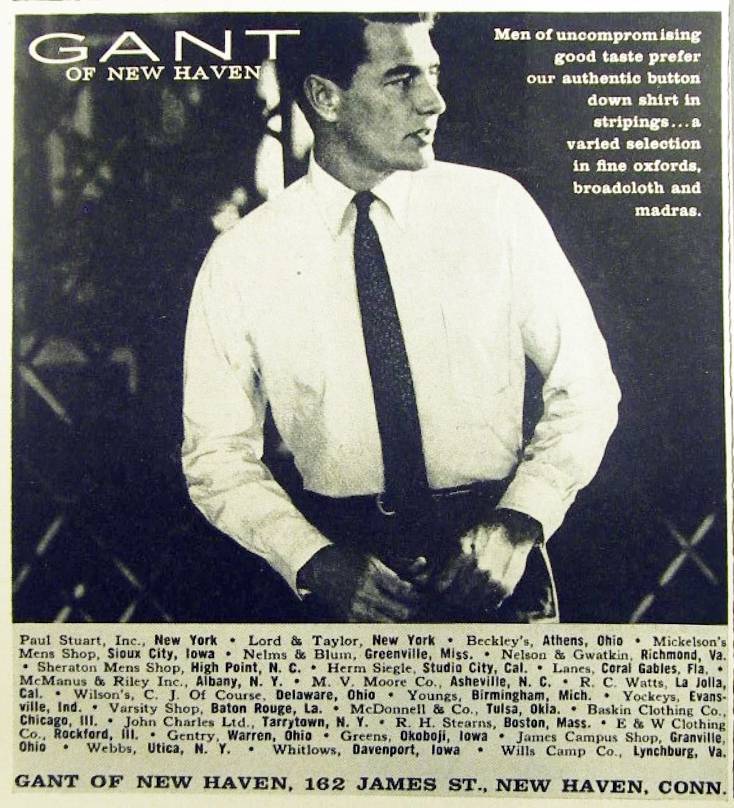


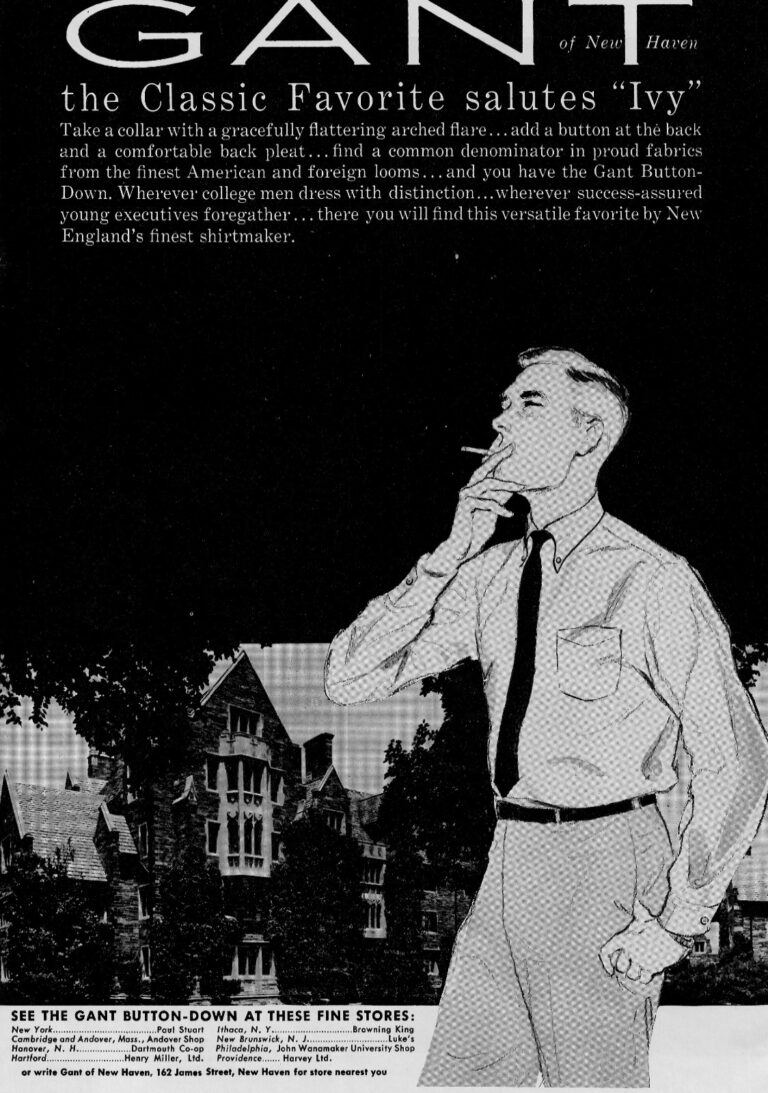
1950s “Gant of Newhaven”時代の広告
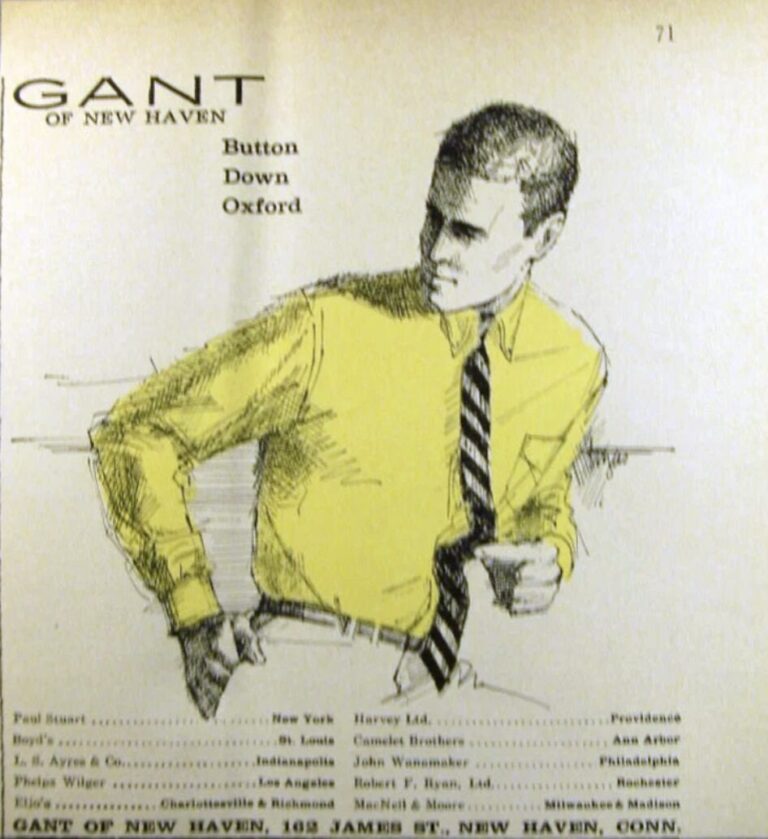
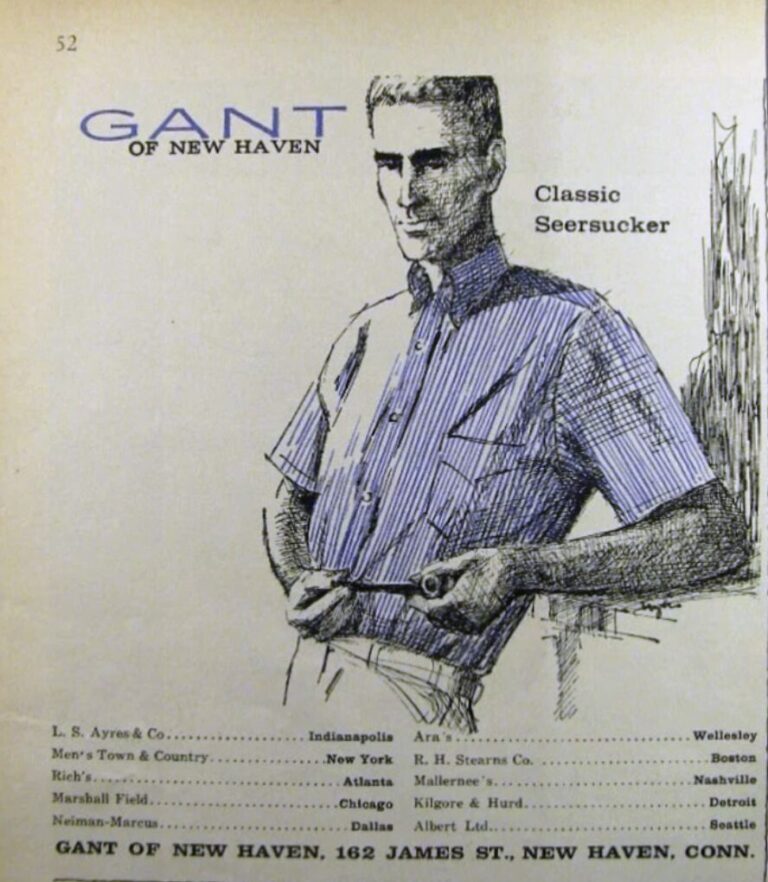
1959 “Gant of Newhaven”時代の広告
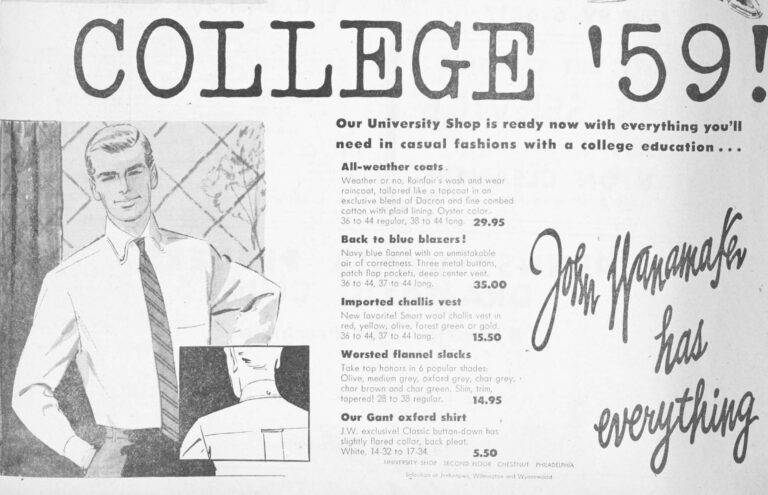
1959 The Daily Pennsylvanian, 8 September 1959
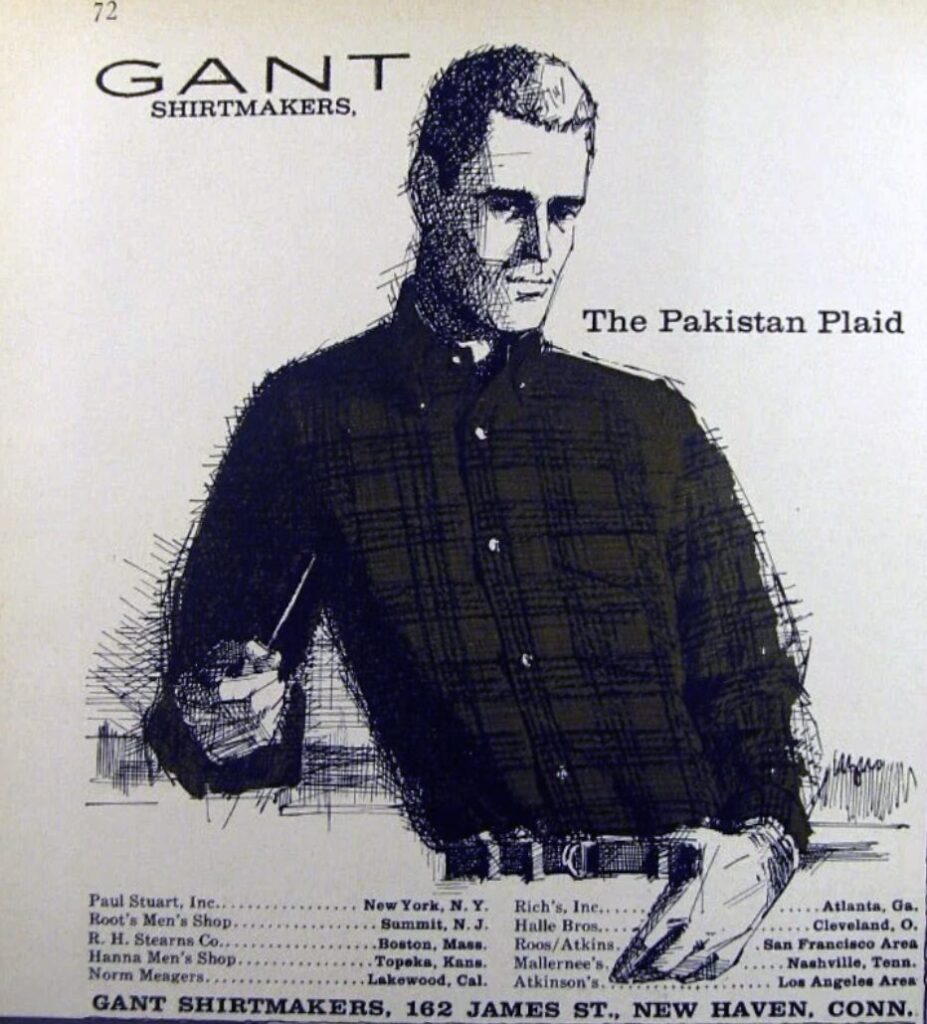
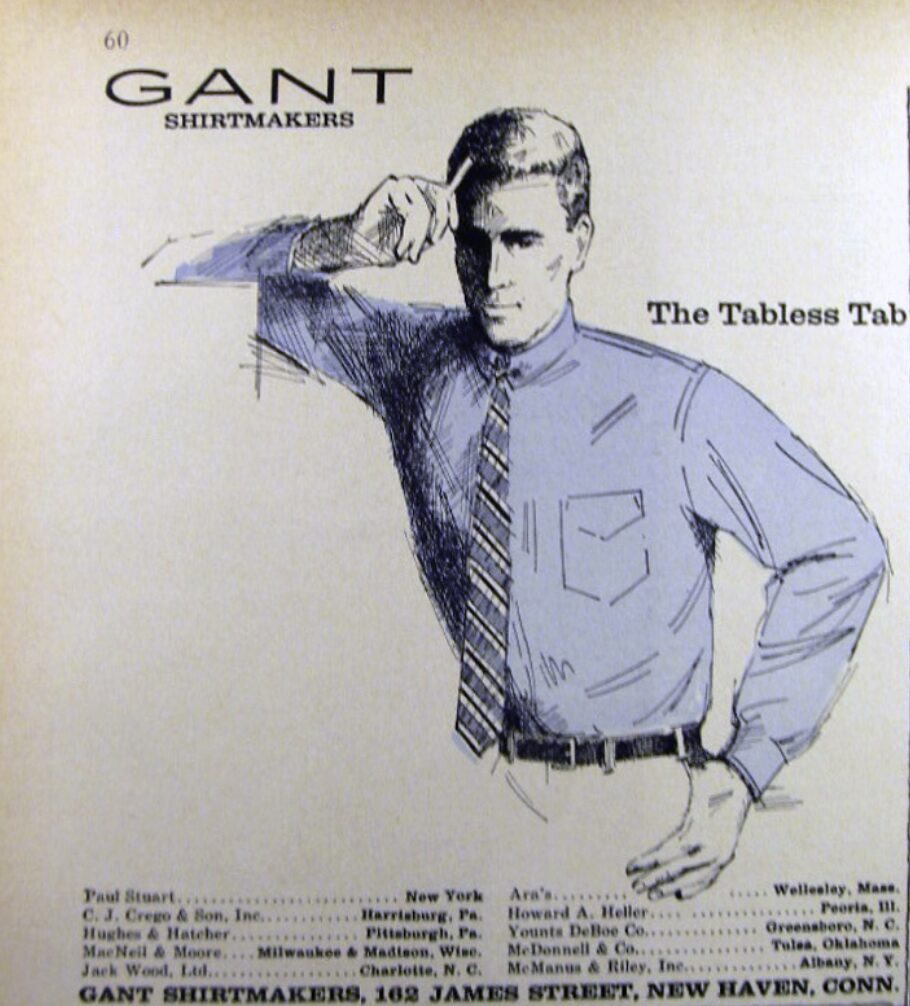
1959 “Gant SHIRTMAKERS”時代の広告
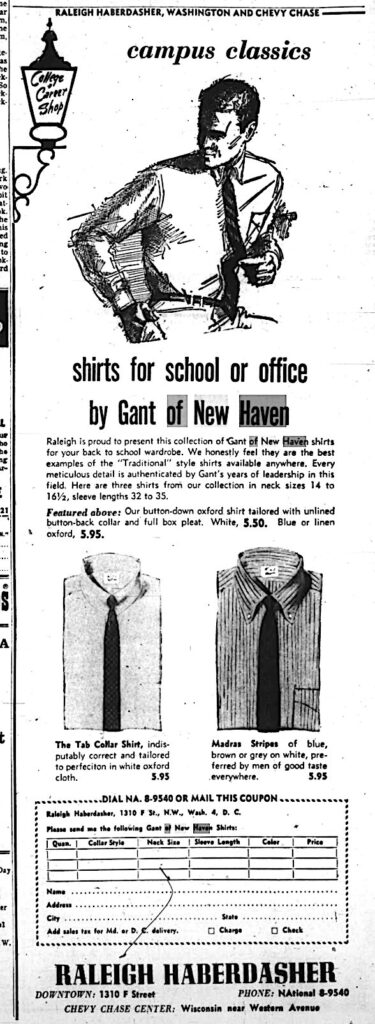
1959 Washington DC Post 1959-12-16_254_3.pdf
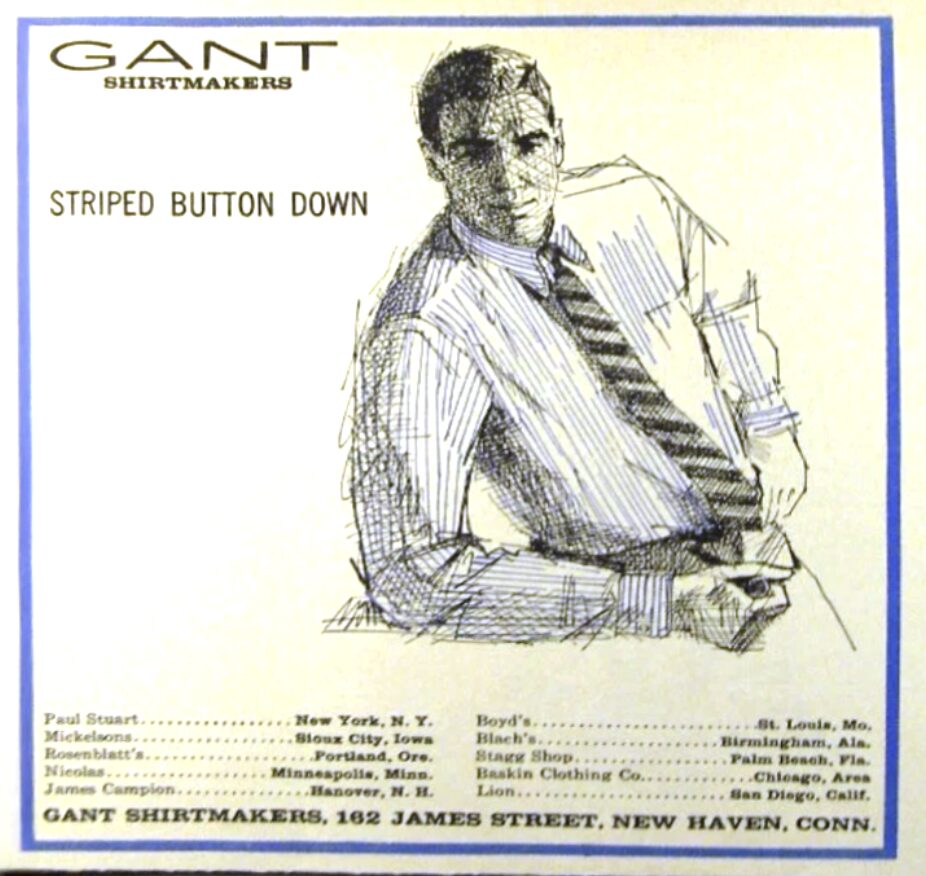
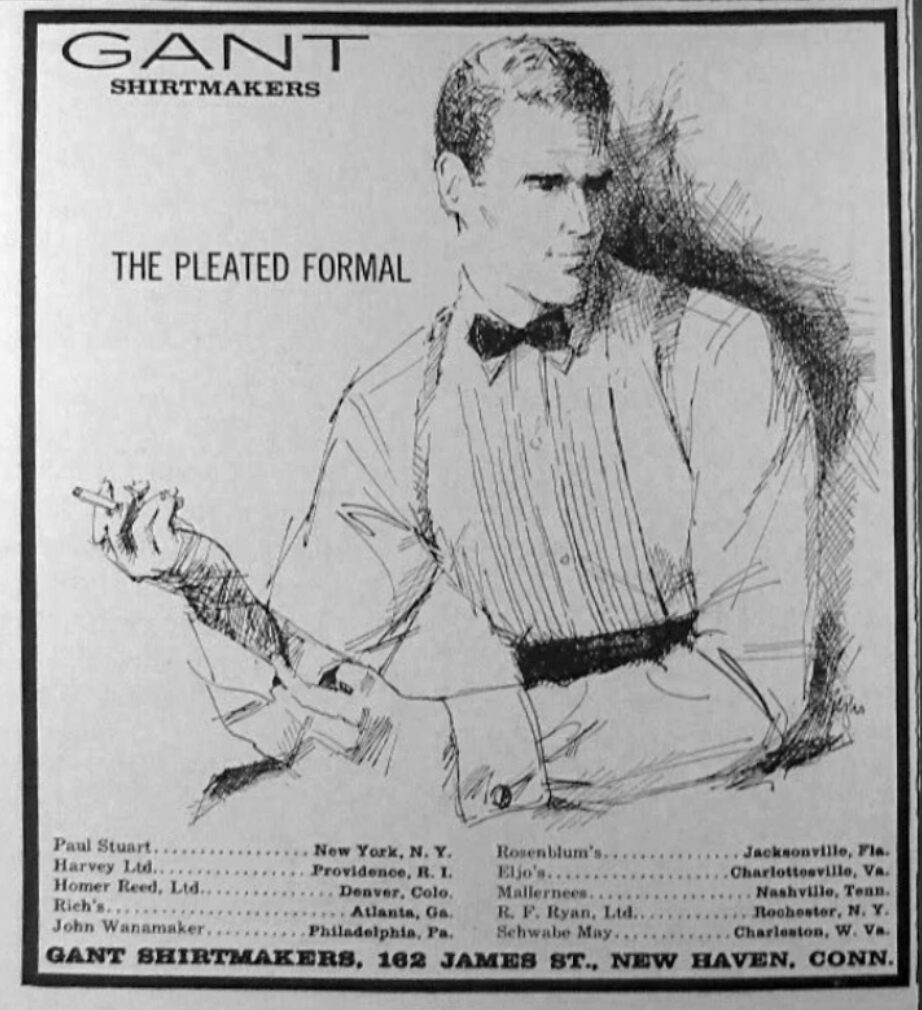
1960 “Gant SHIRTMAKERS”時代の広告
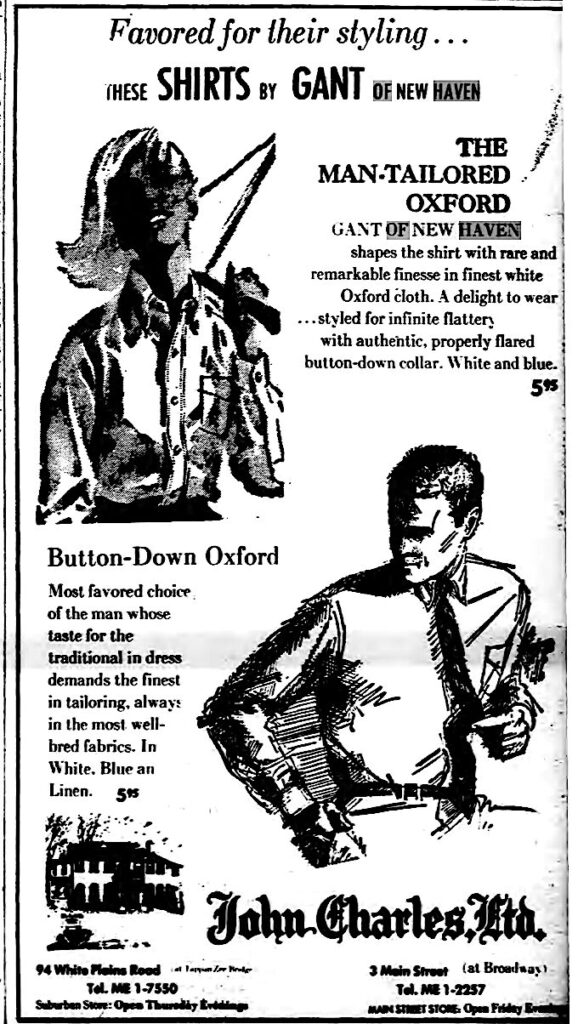
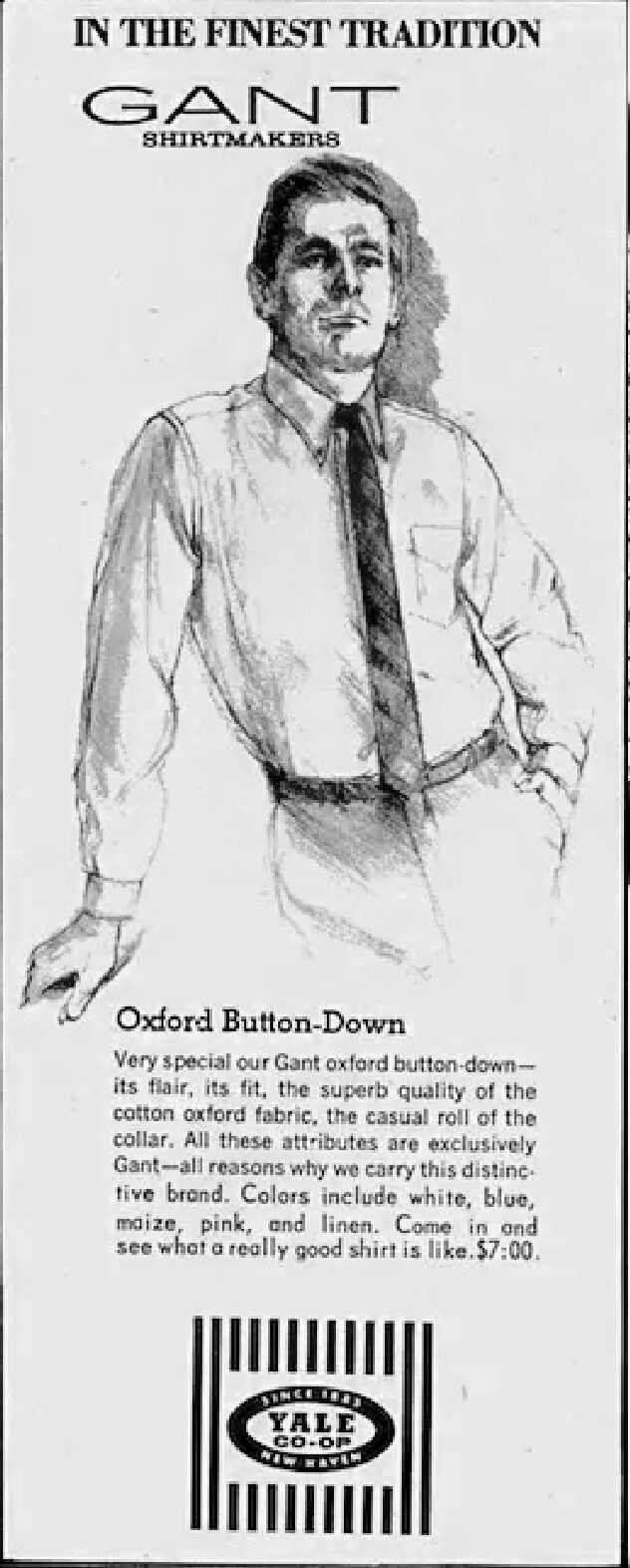
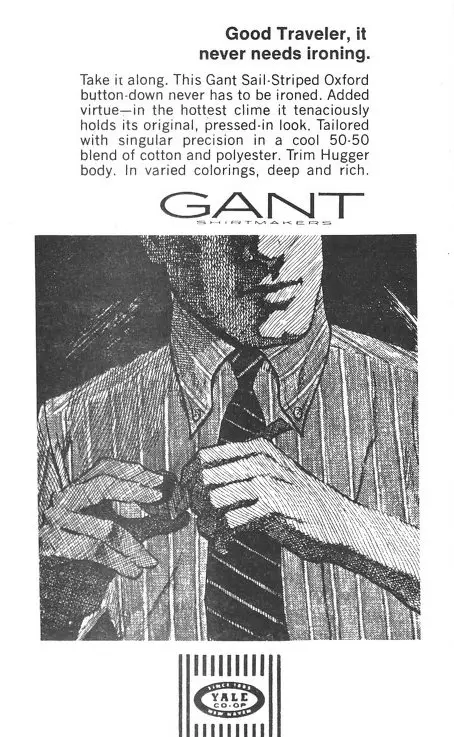
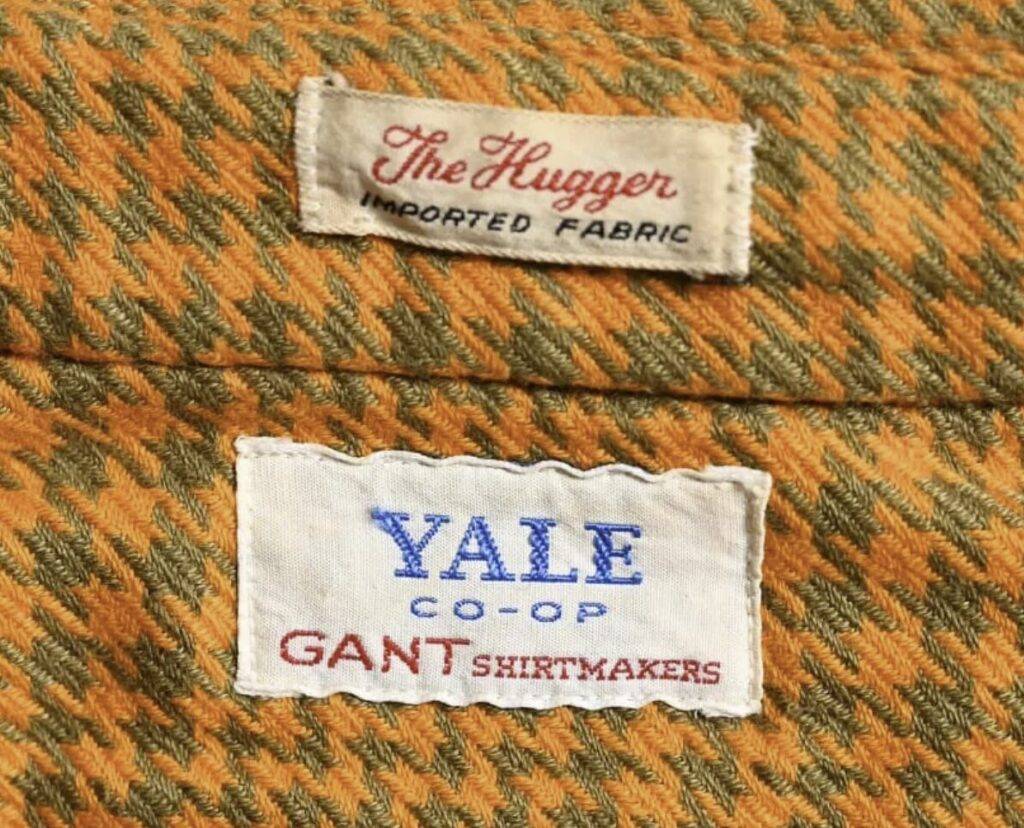
1960s? “YALE COOP Gant SHIRTMAKERS”時代の広告




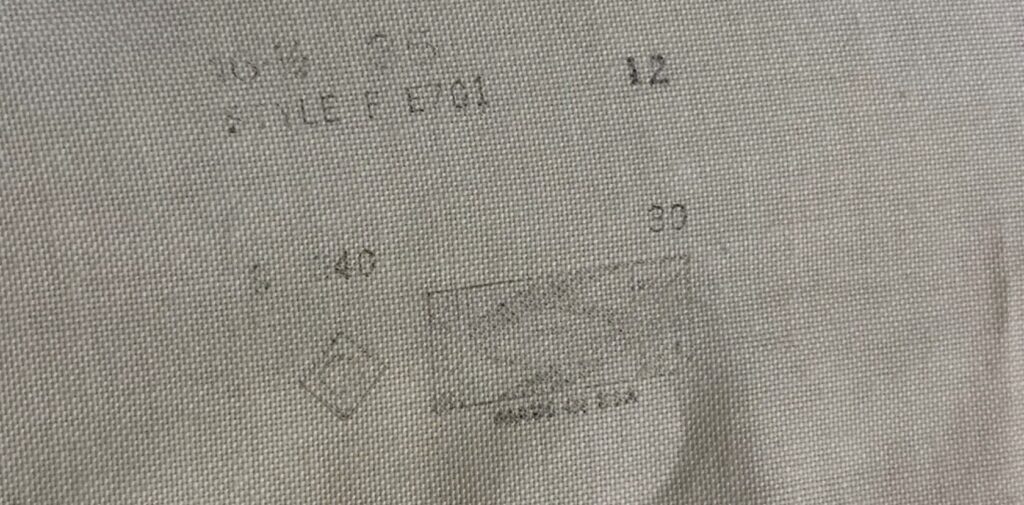
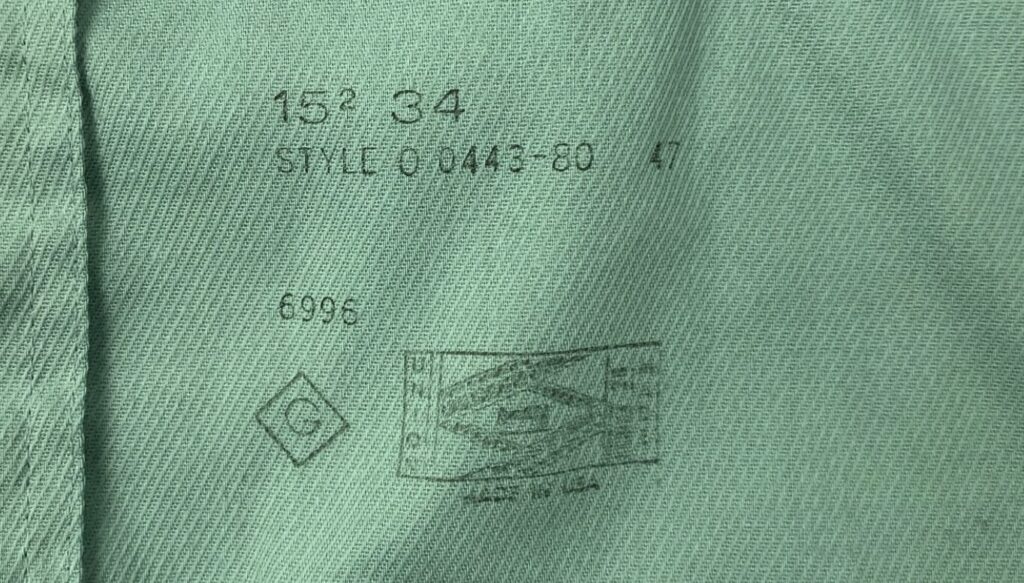
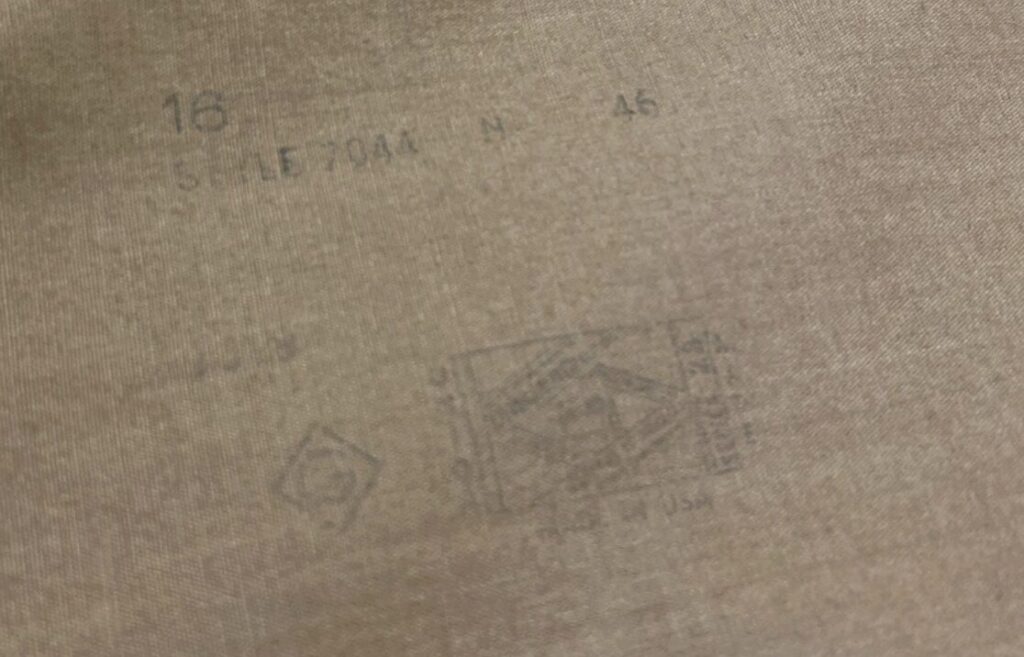
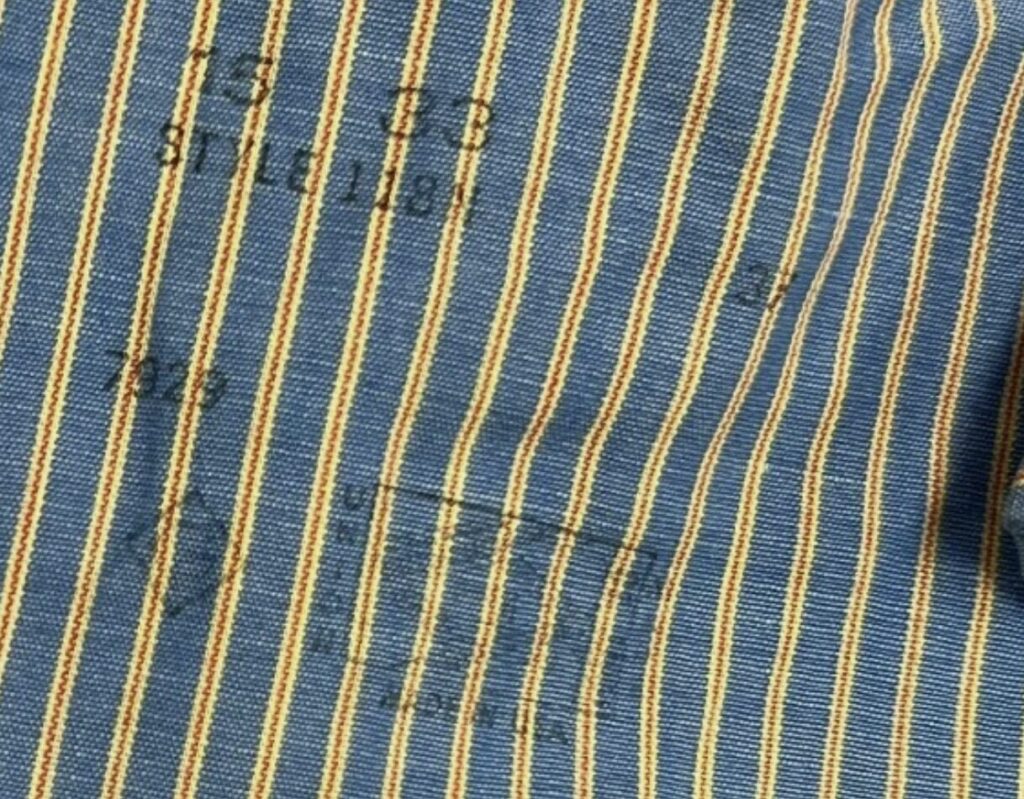
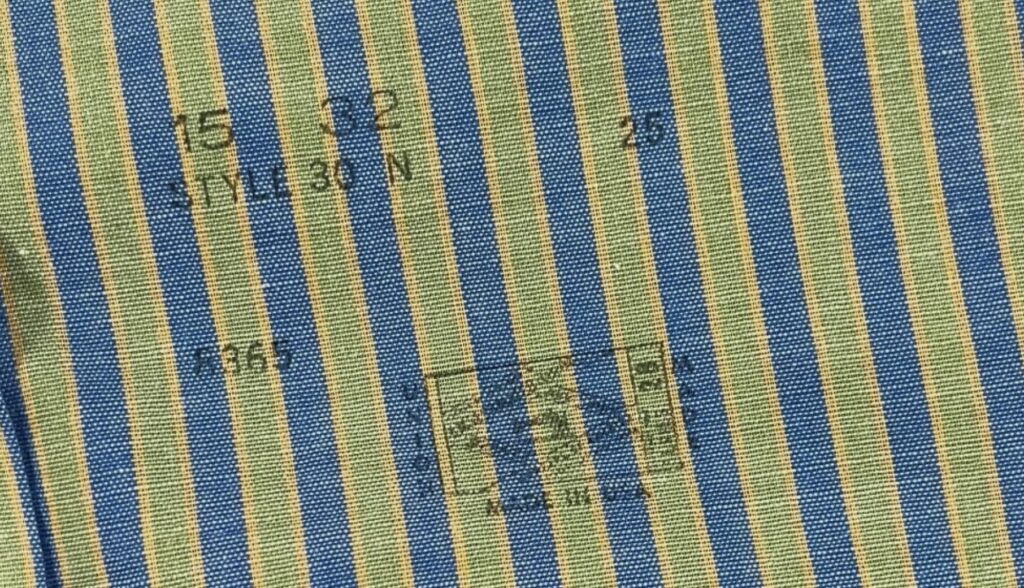
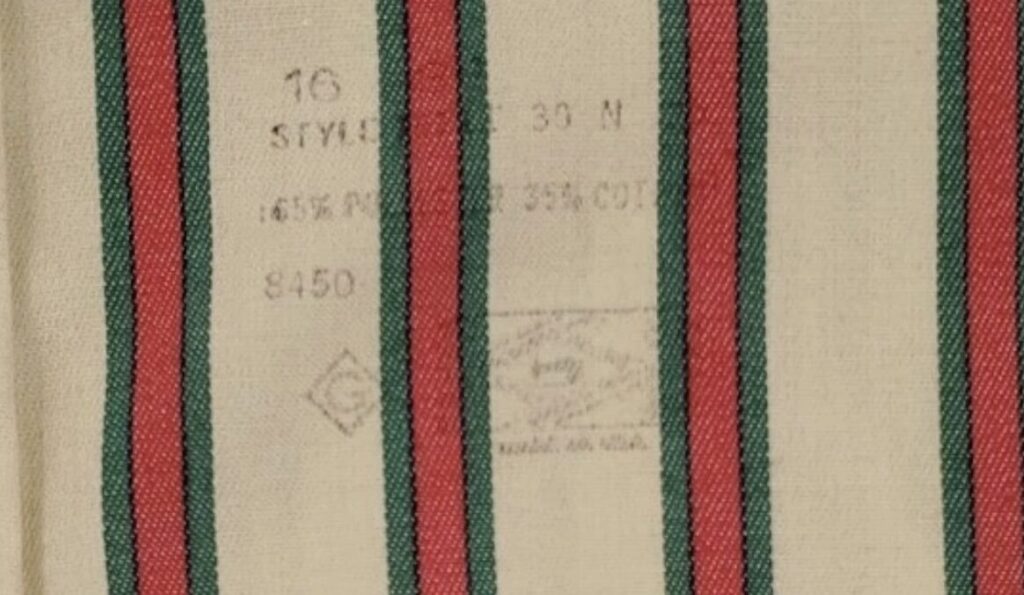
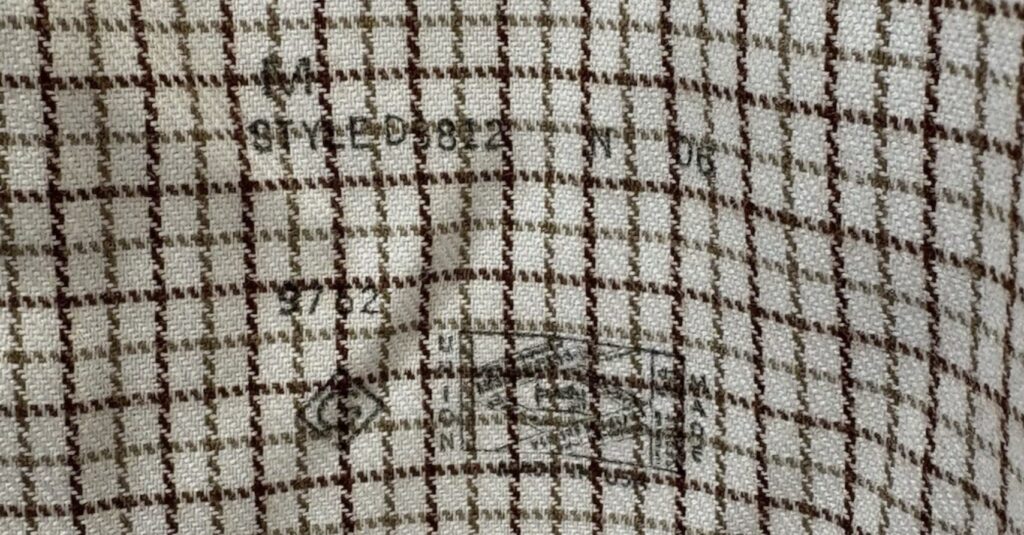
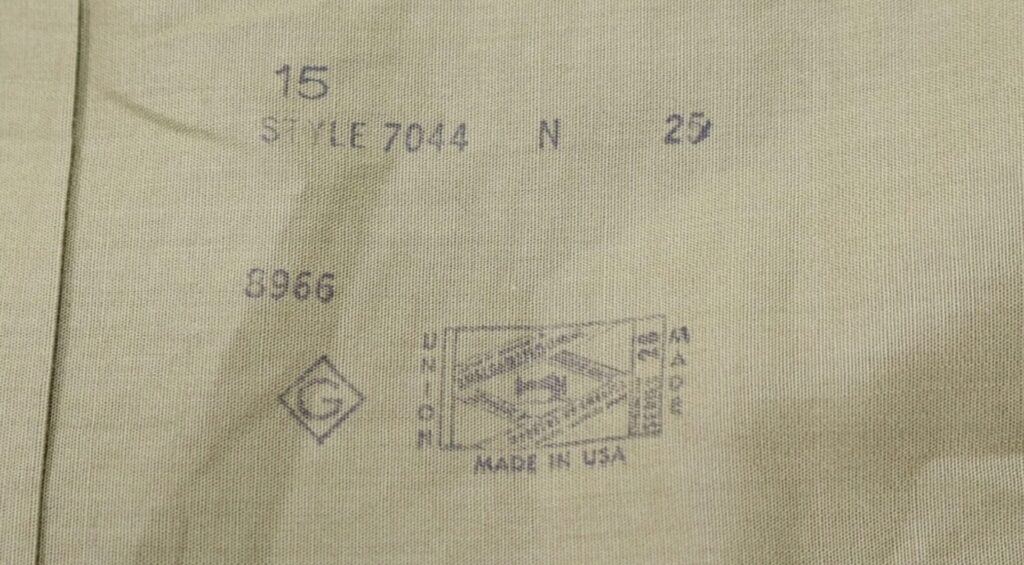
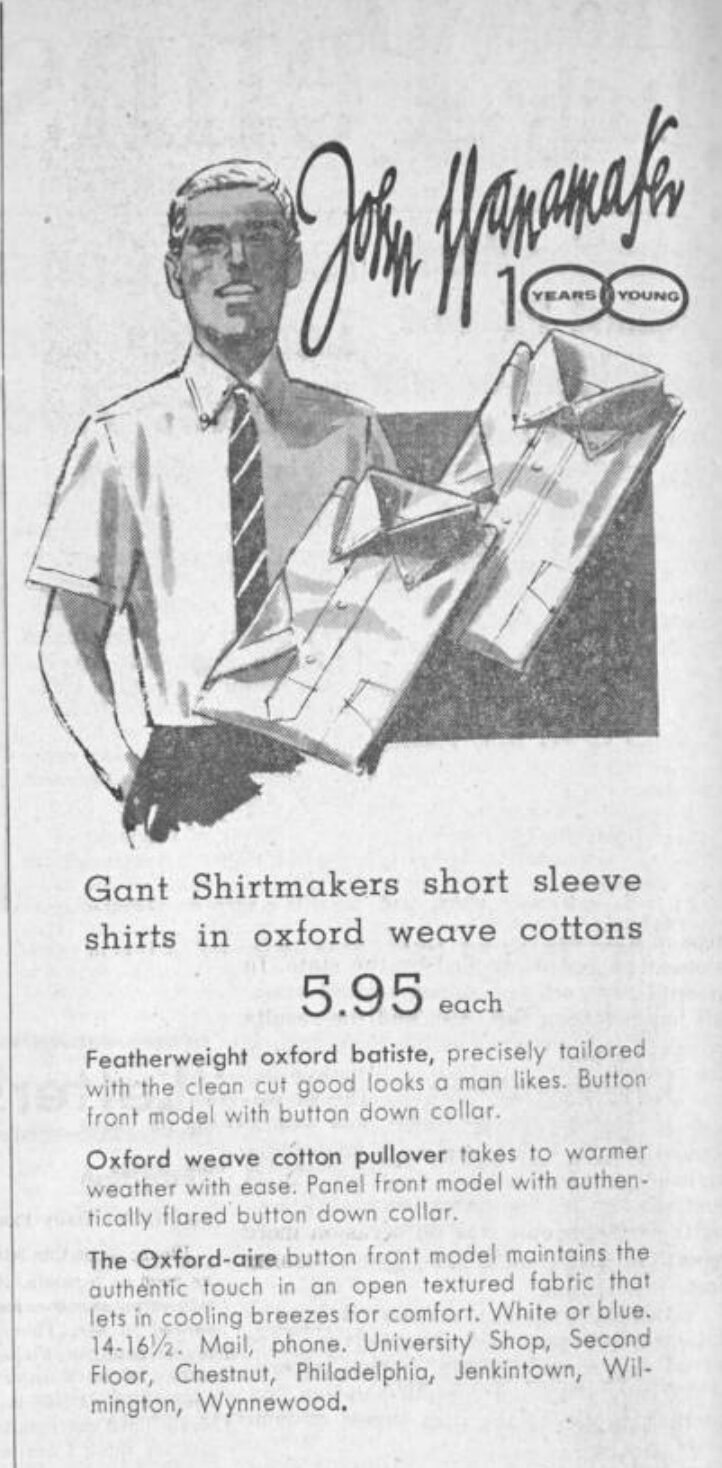
1961 The Daily Pennsylvanian, Volume LXXVII, Number 27, 11 May 1961
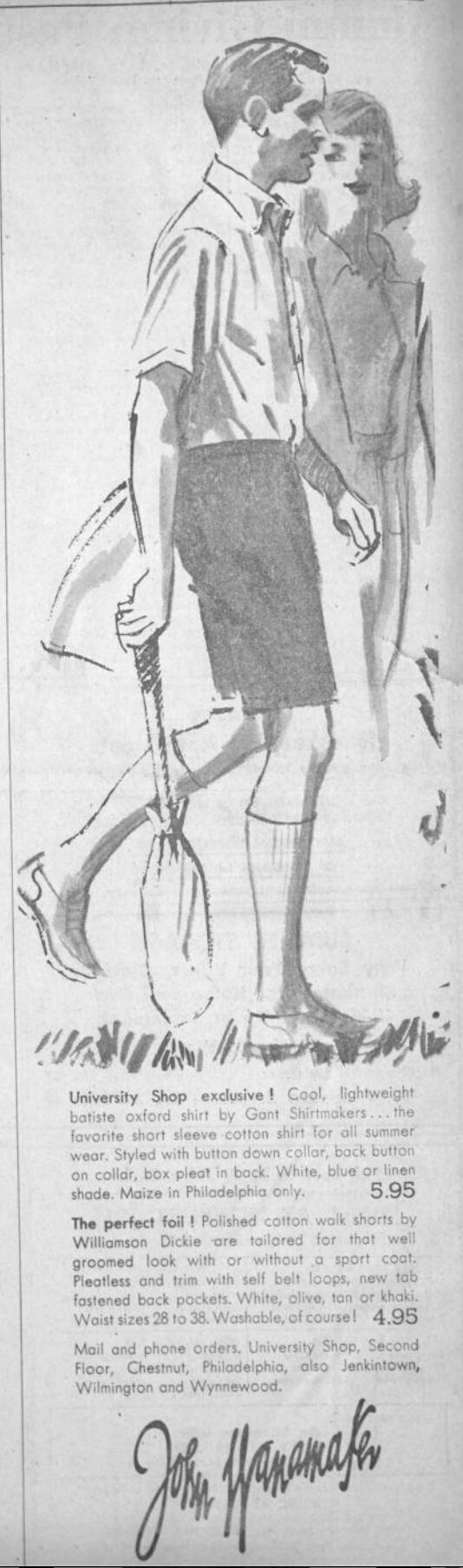
1961 The Daily Pennsylvanian, Volume LXXVII, Number 31, 17 May 1961
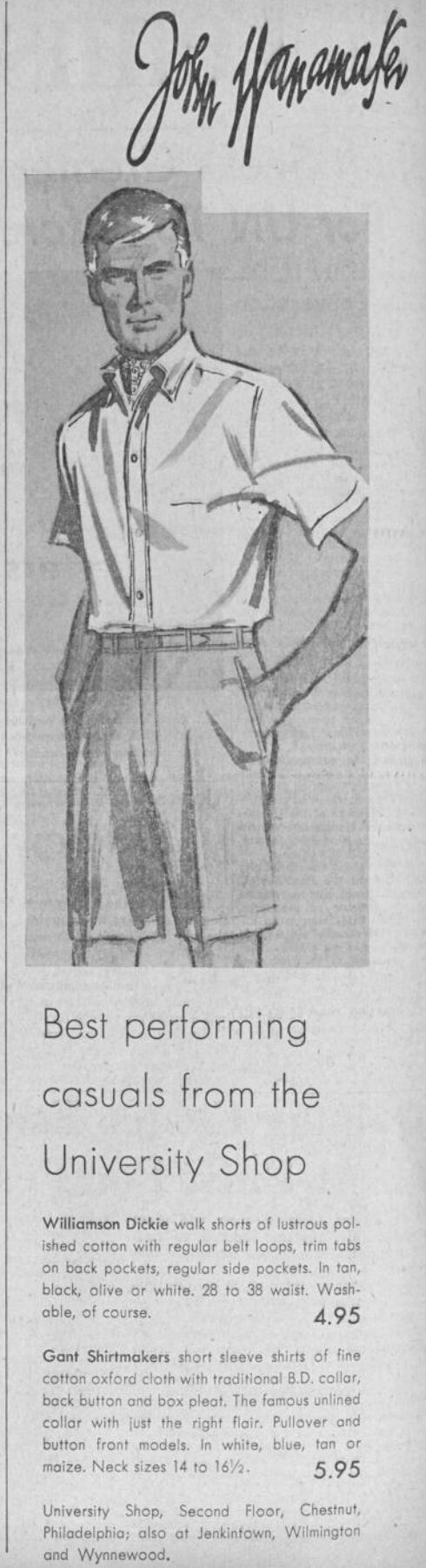
1962 The Daily Pennsylvanian, Volume LXXVIII, N umber 24, 24 April 1962
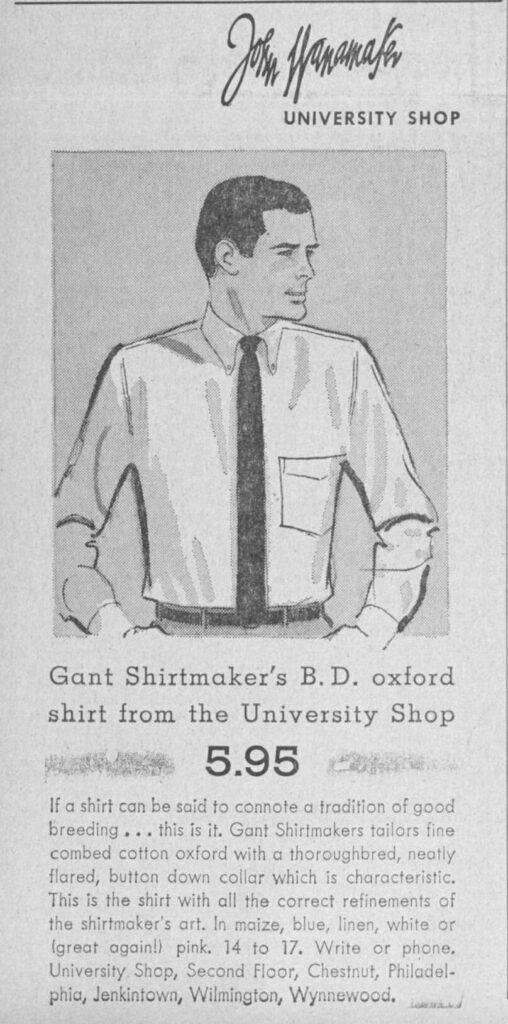
1962 The Daily Pennsylvanian, Volume LXXVIII, Number 90, 6 December 1962
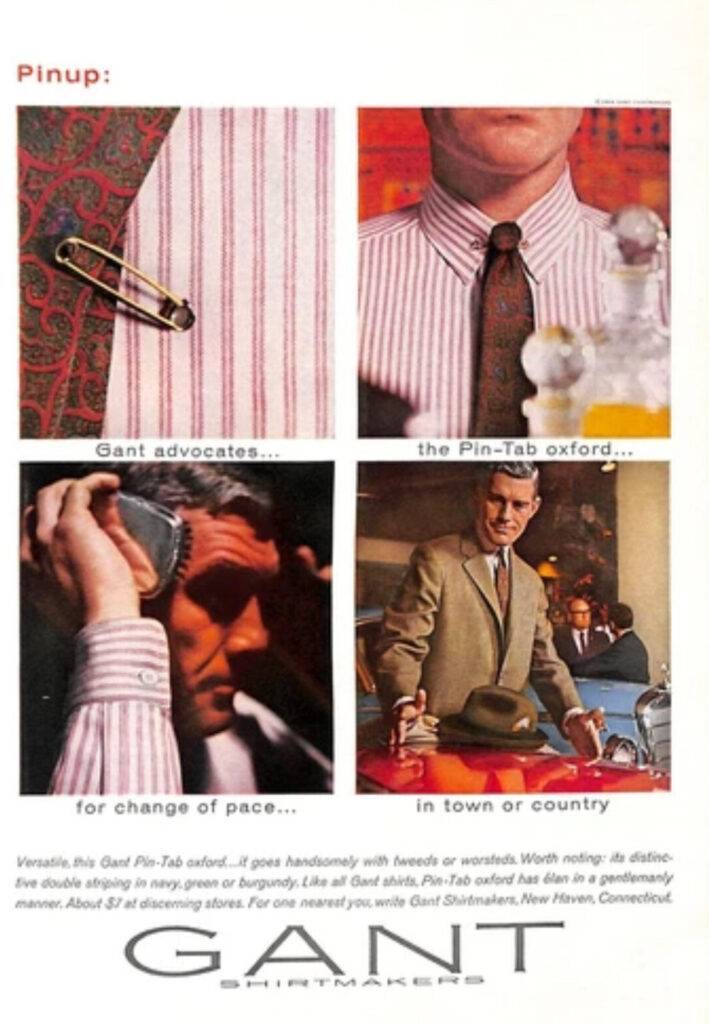
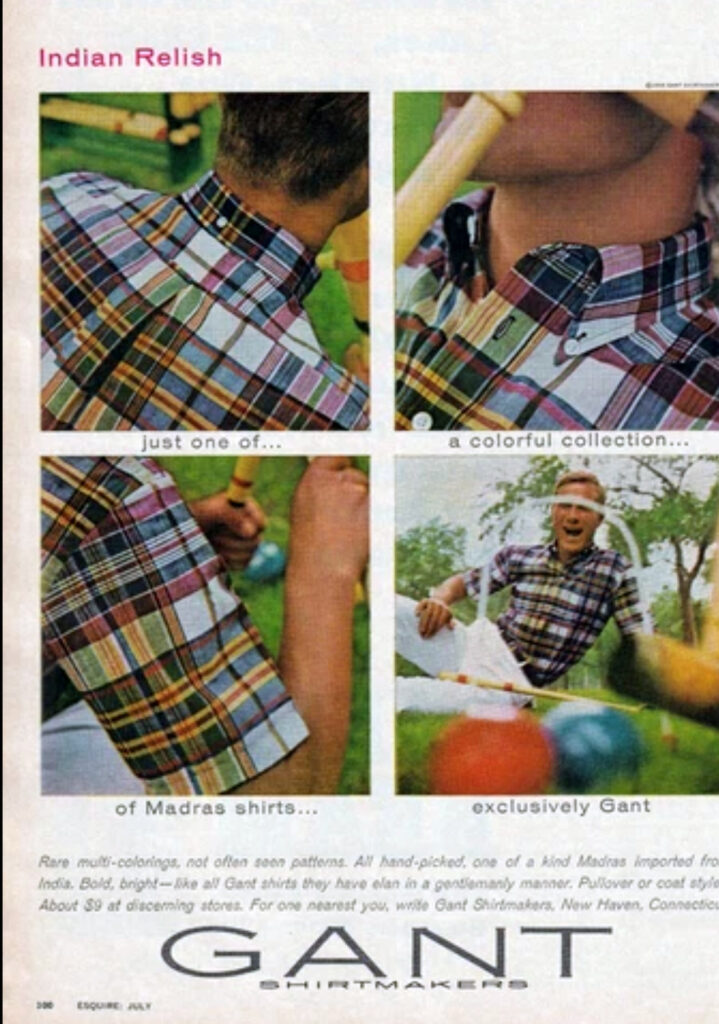
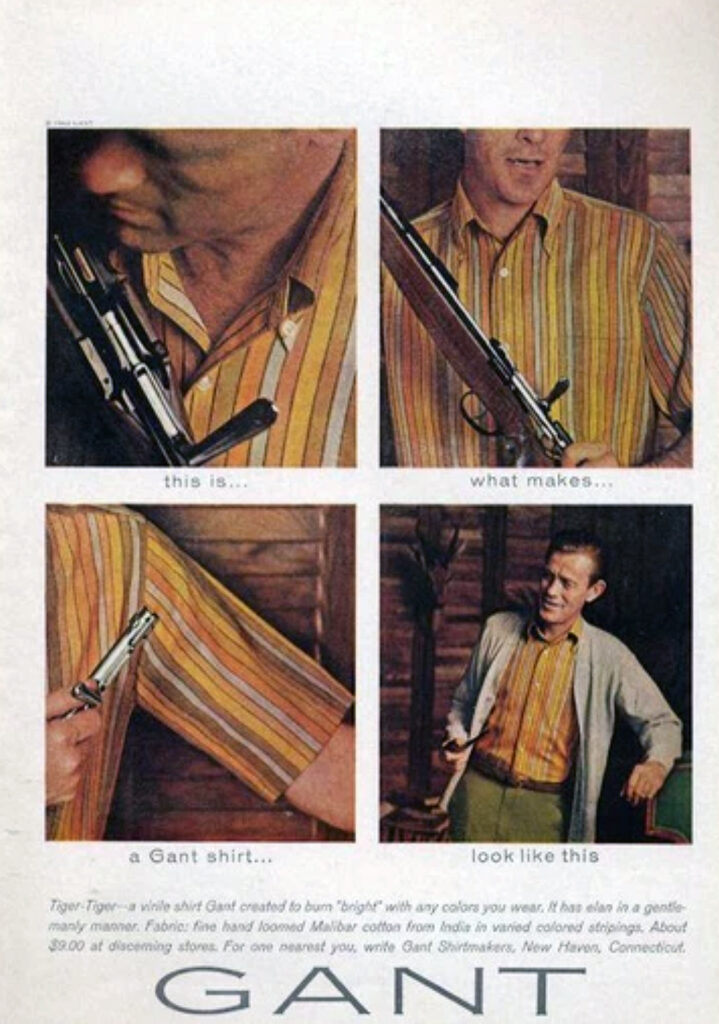
1964 GANT SHIRTMAKERS VINTAGE AD
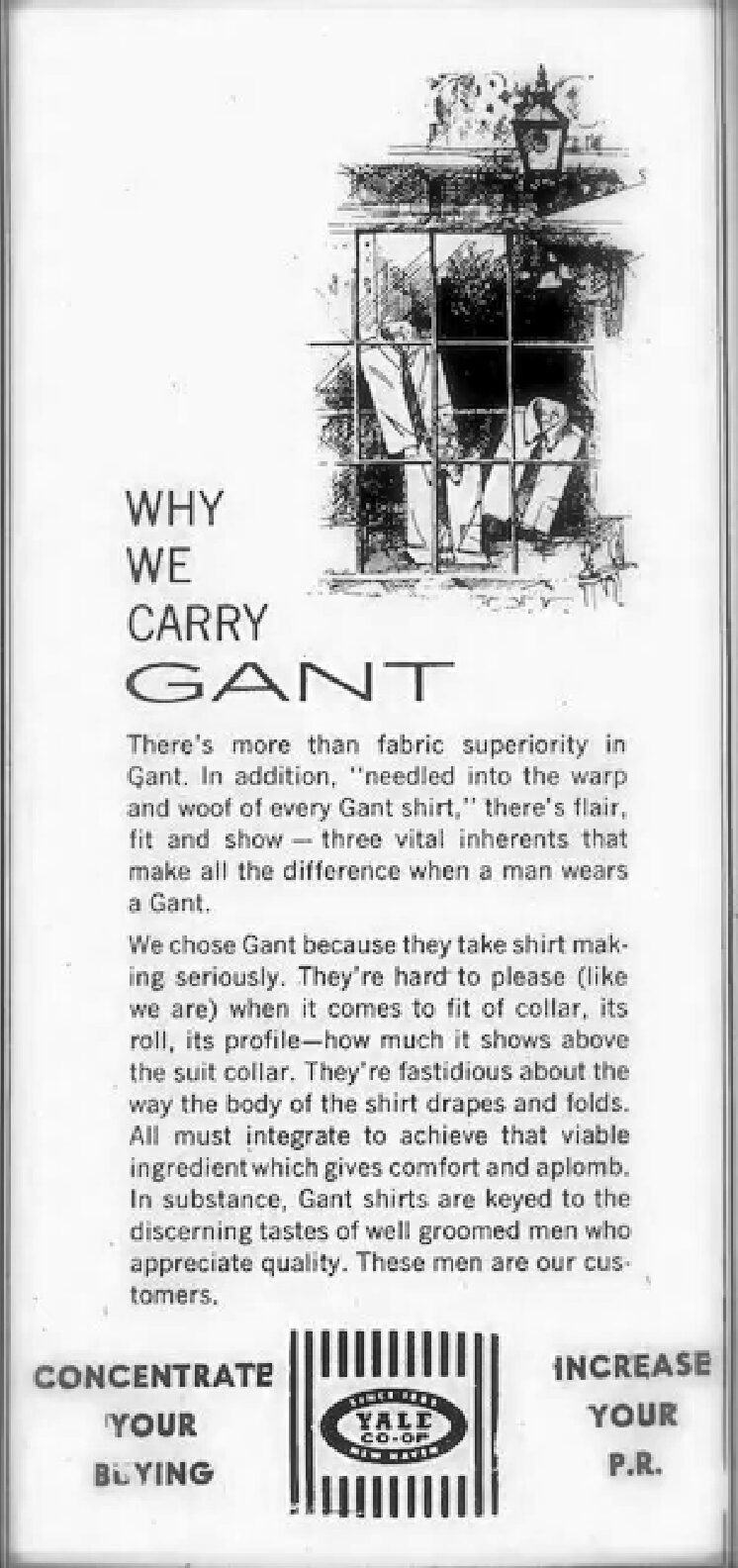
1965 GANT SHIRTMAKERS VINTAGE AD
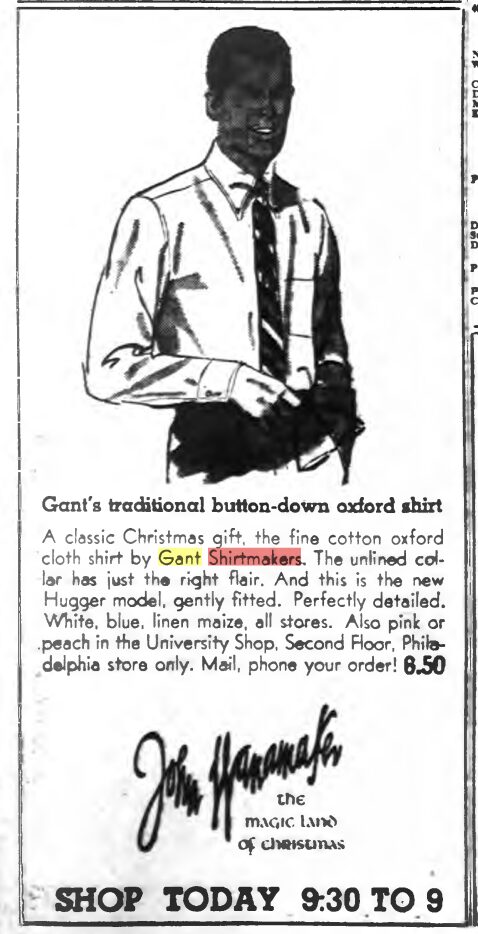
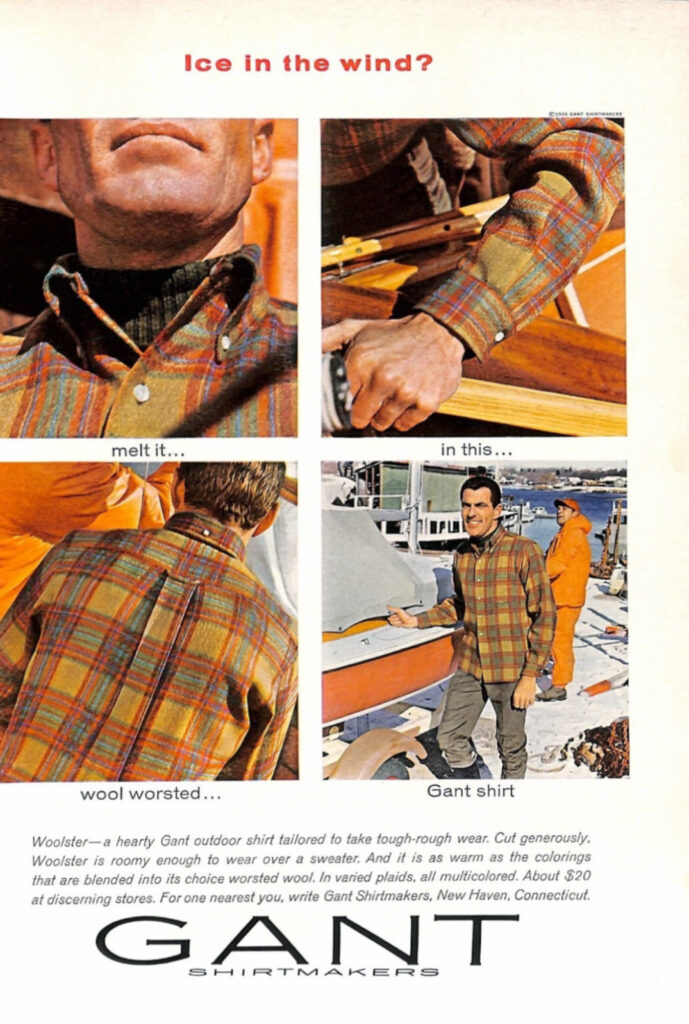
1966 GANT SHIRTMAKERS VINTAGE AD
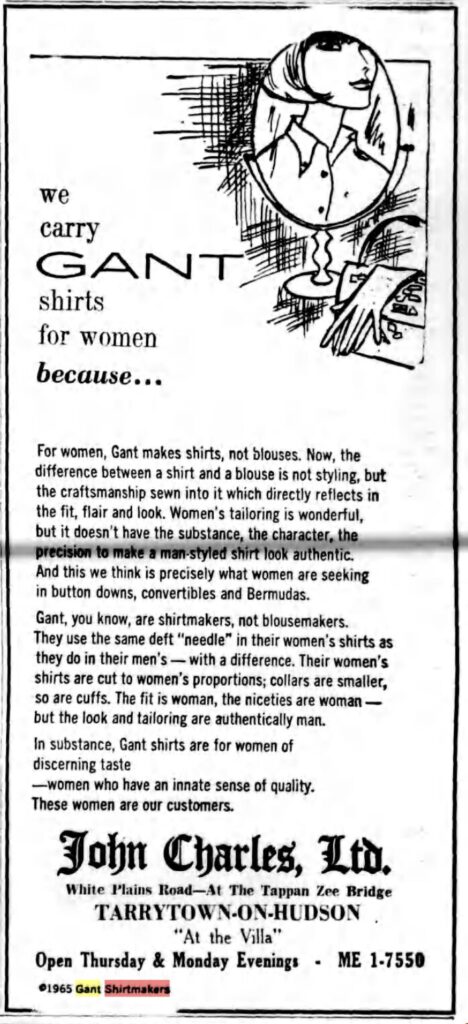
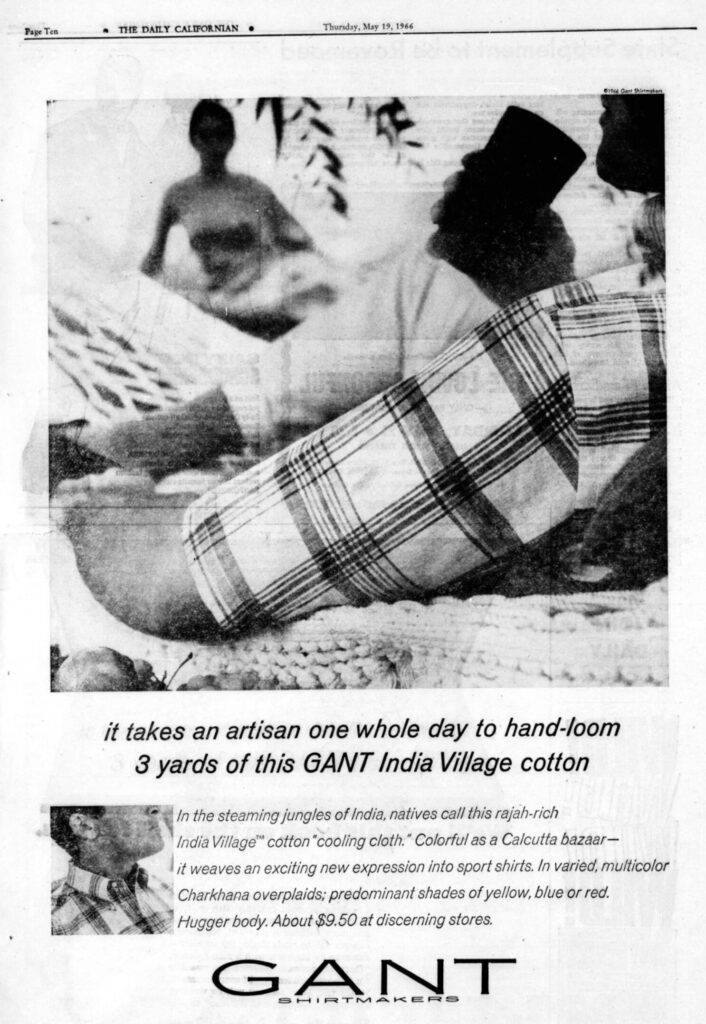
1966 The Daily Californian 1966-05-19 Thu May. 19, 1966
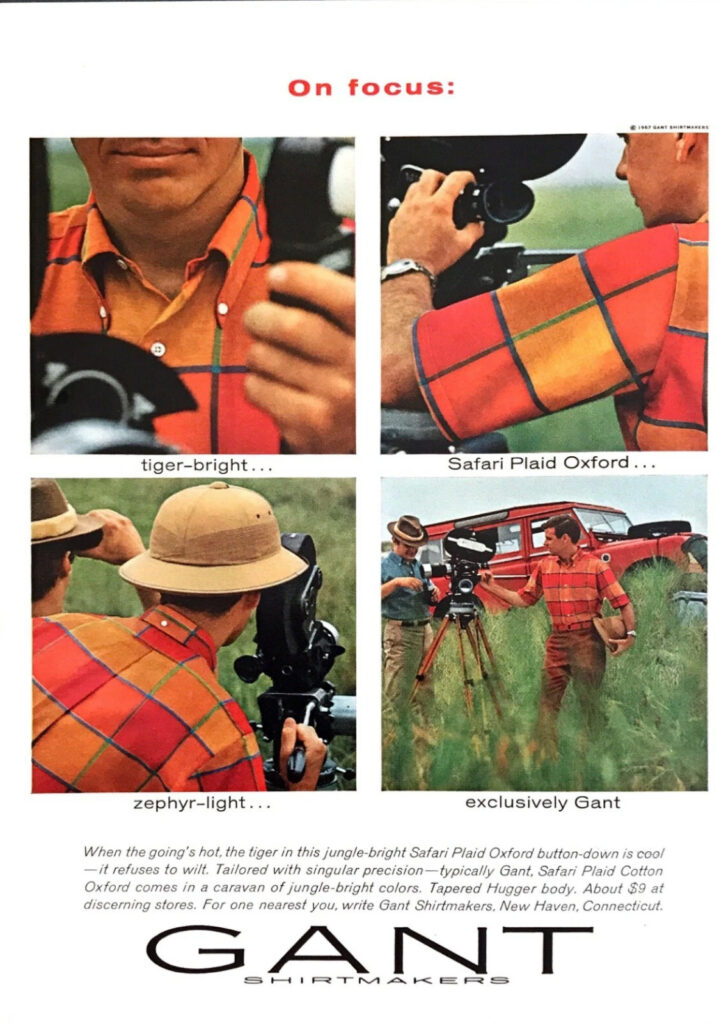
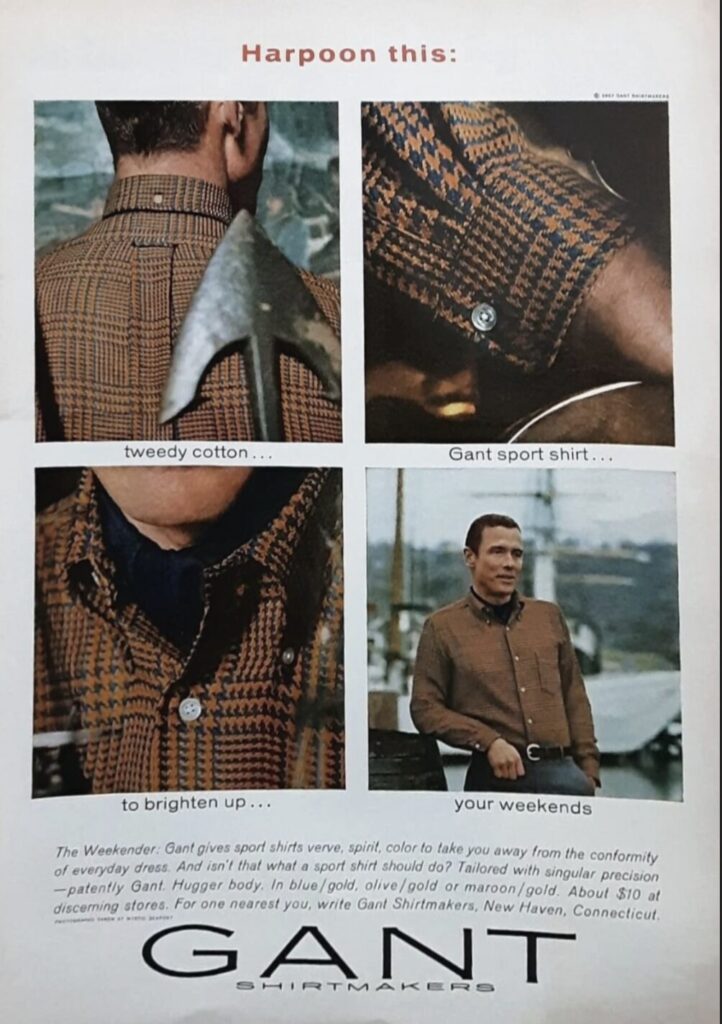
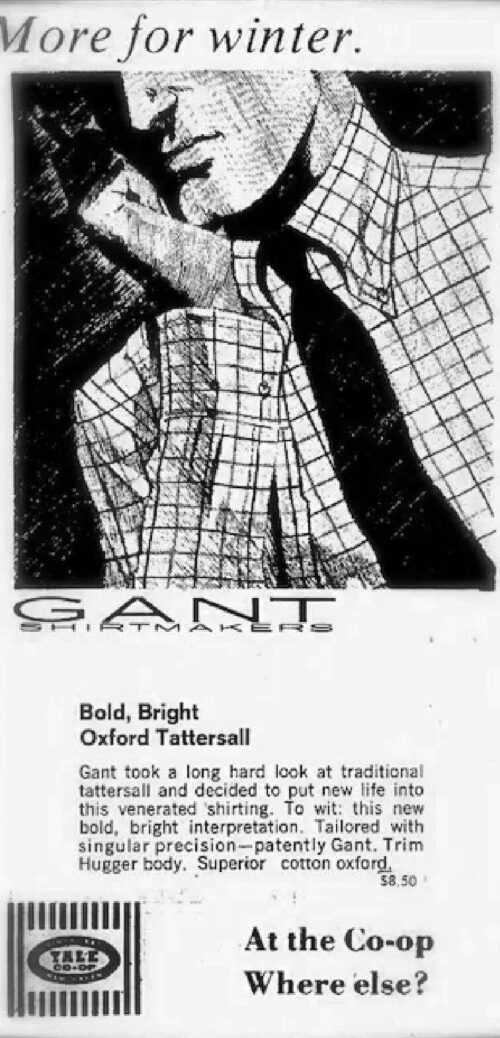
1967 GANT SHIRTMAKERS VINTAGE AD
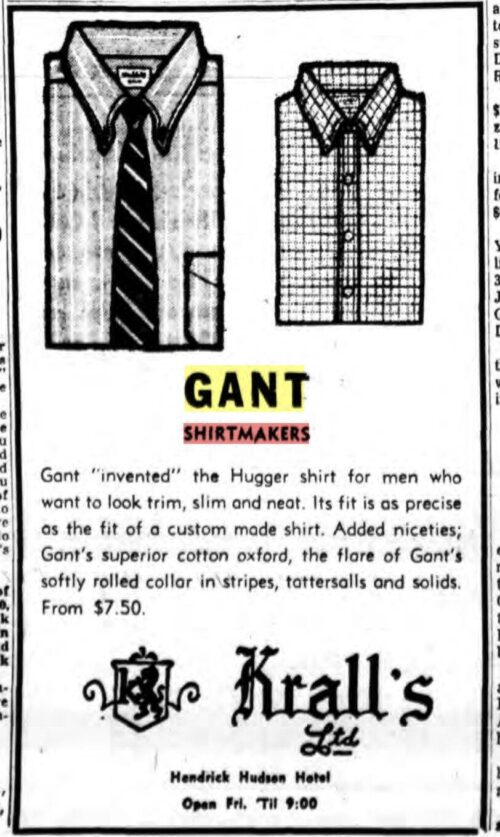
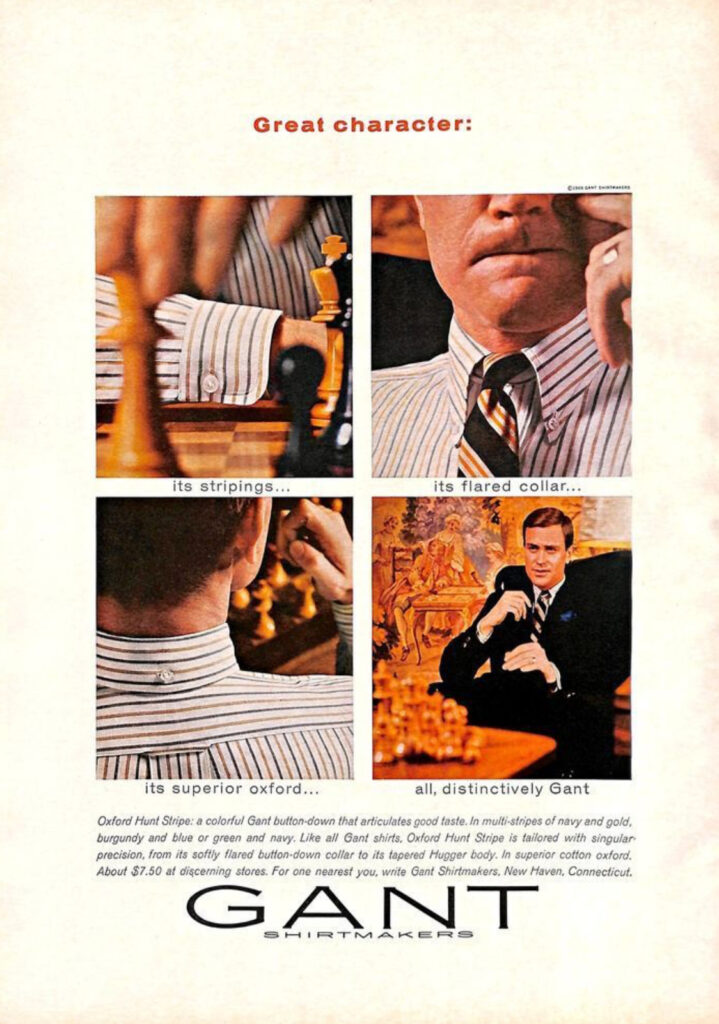
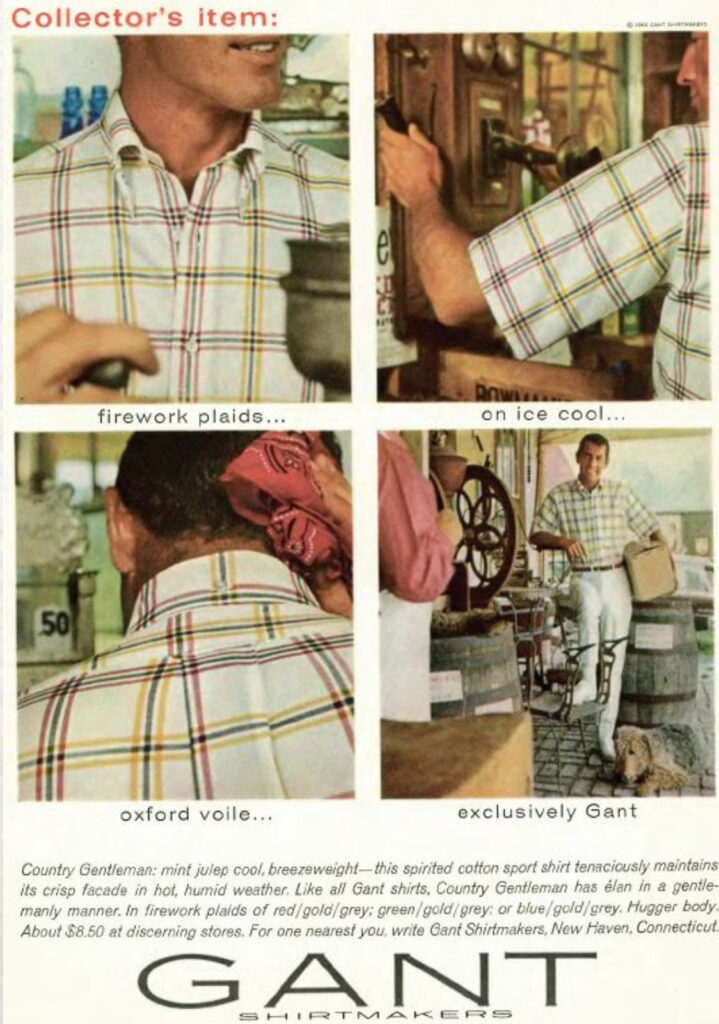
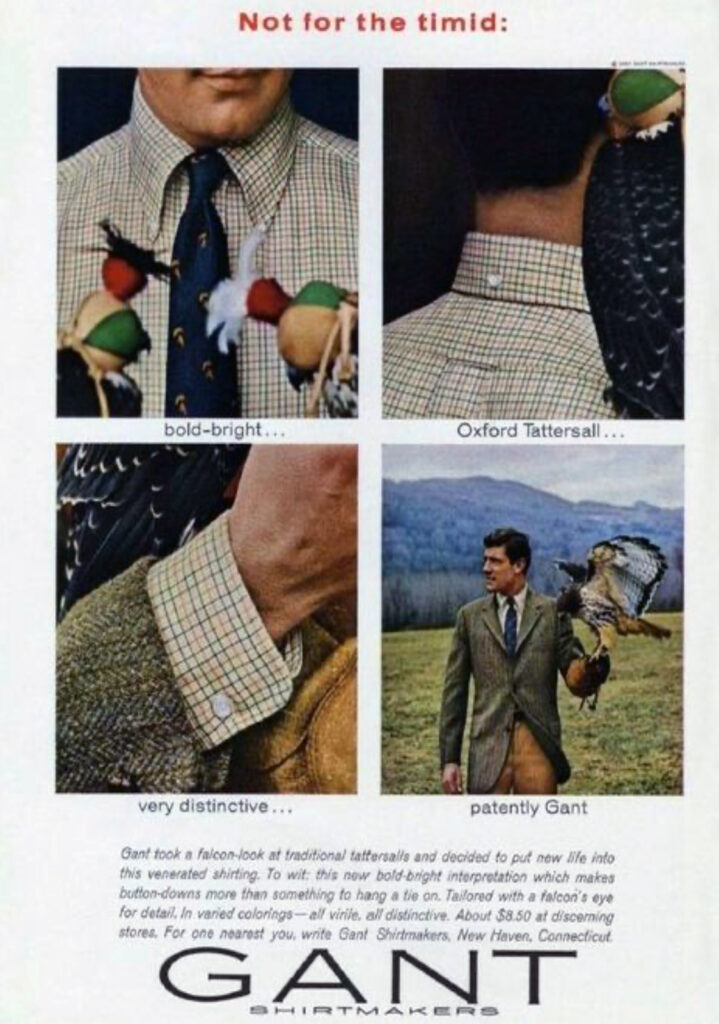
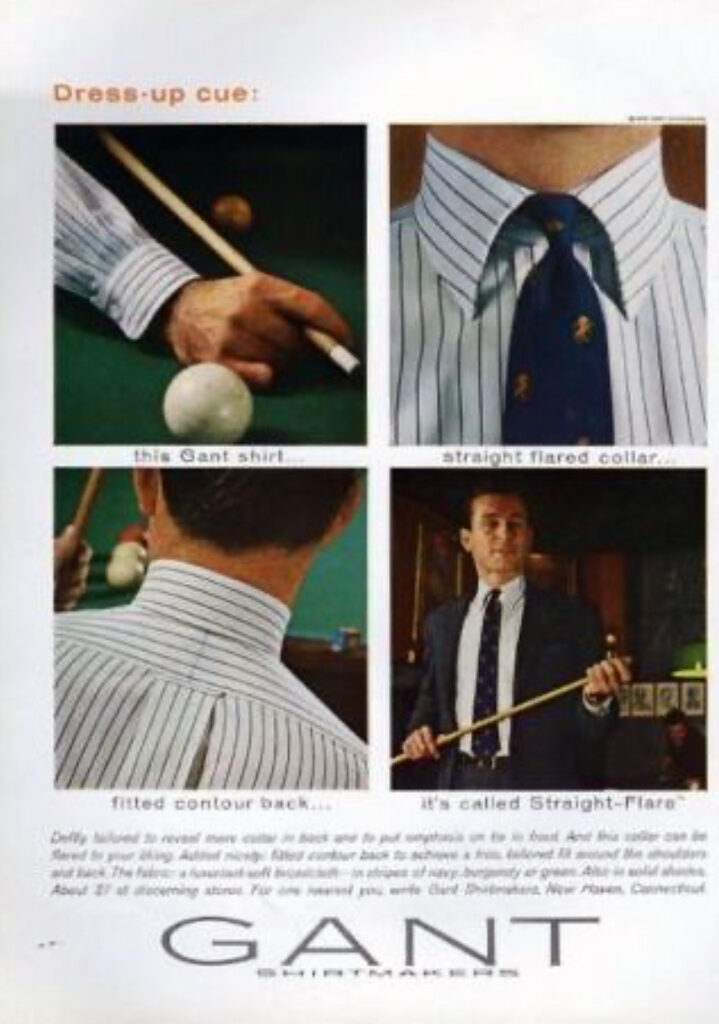
~ 1967 GANT SHIRTMAKERS VINTAGE AD
1964 GANT SHIRTMAKERS VINTAGE AD
1965 GANT SHIRTMAKERS VINTAGE AD
1966 GANT SHIRTMAKERS VINTAGE AD
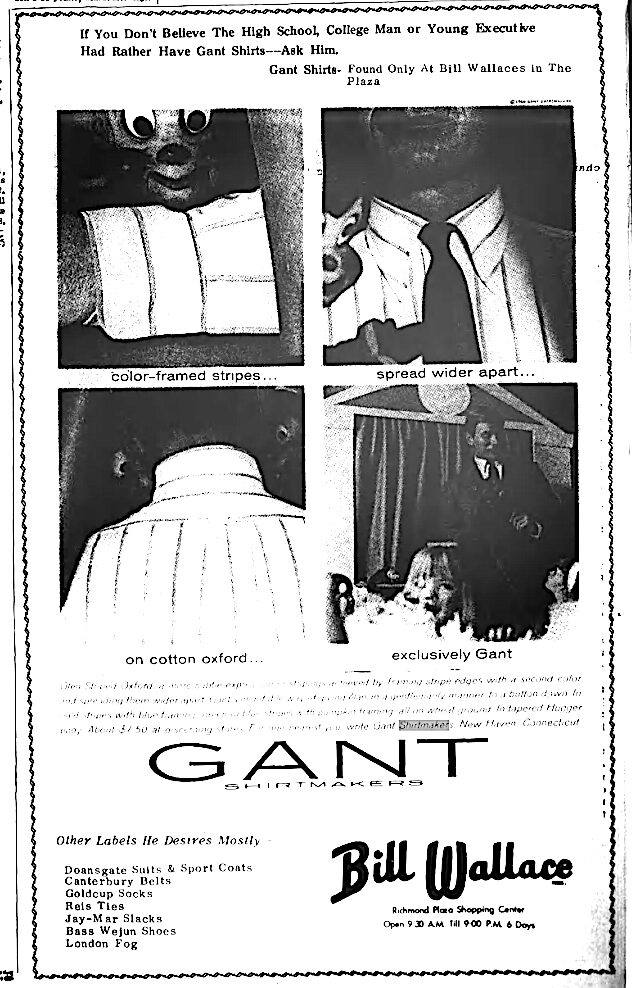
1967 GANT SHIRTMAKERS VINTAGE AD
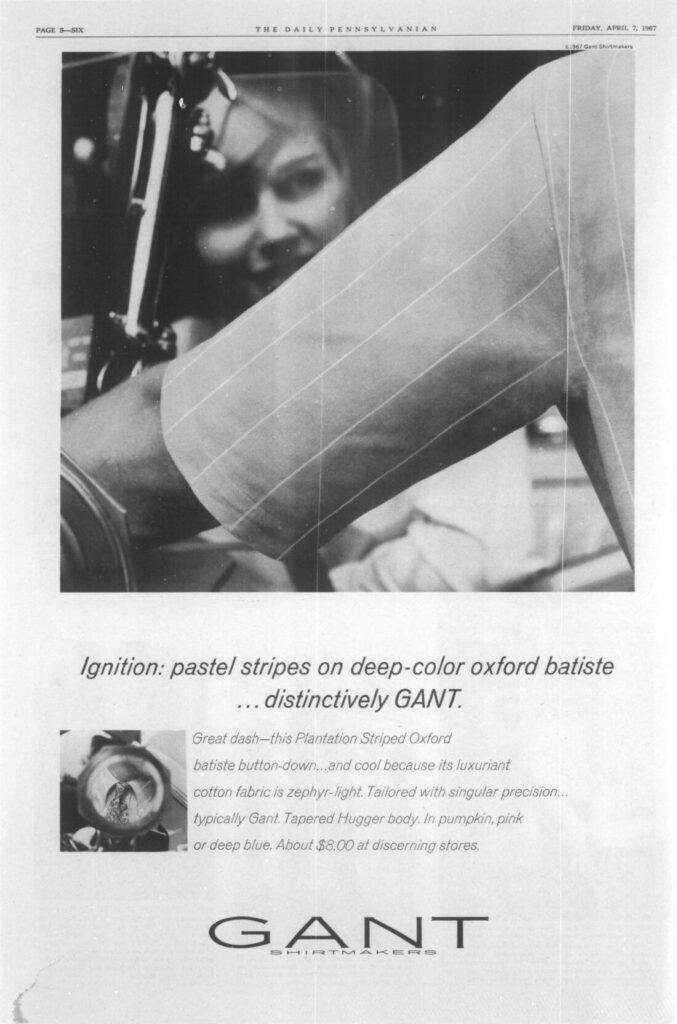
1967 The Daily Pennsylvanian, Volume LXXXIII, Number 14, 7 April 1967
~ 1967 GANT SHIRTMAKERS VINTAGE AD
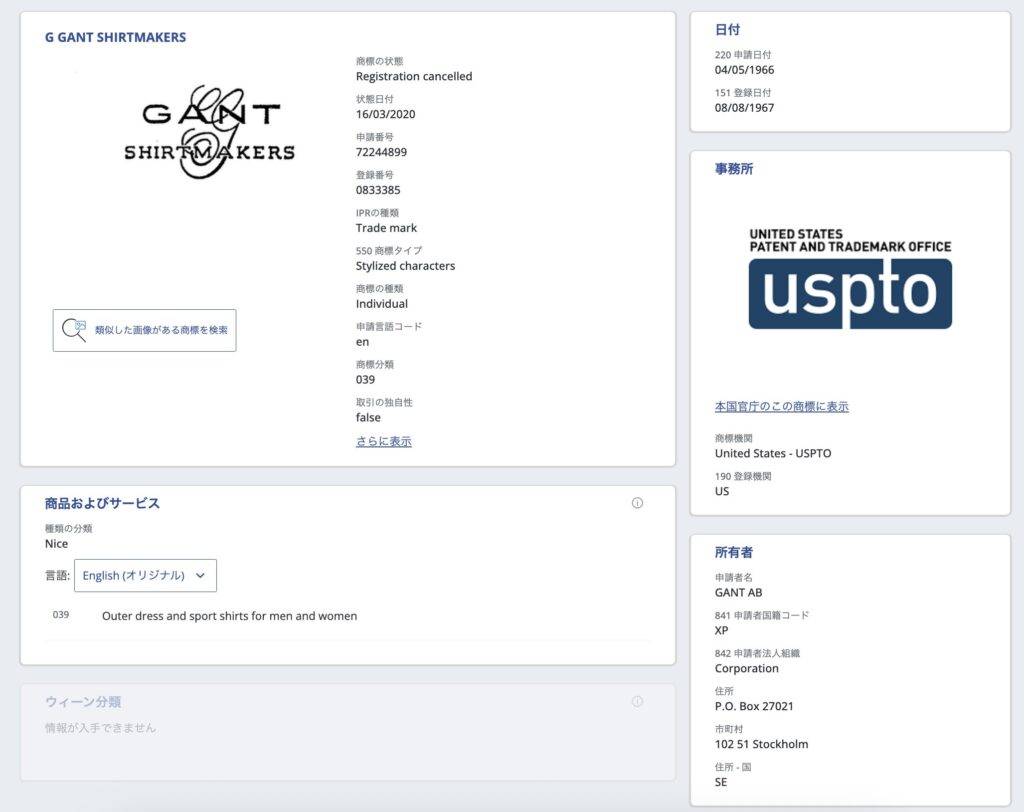
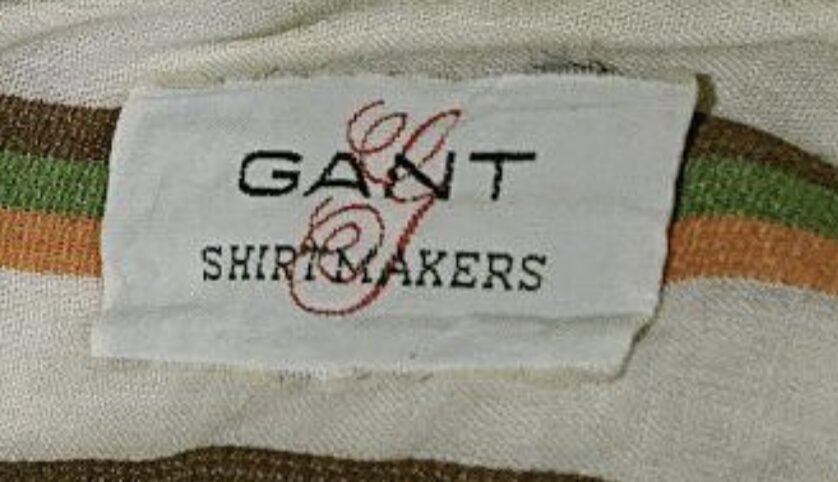
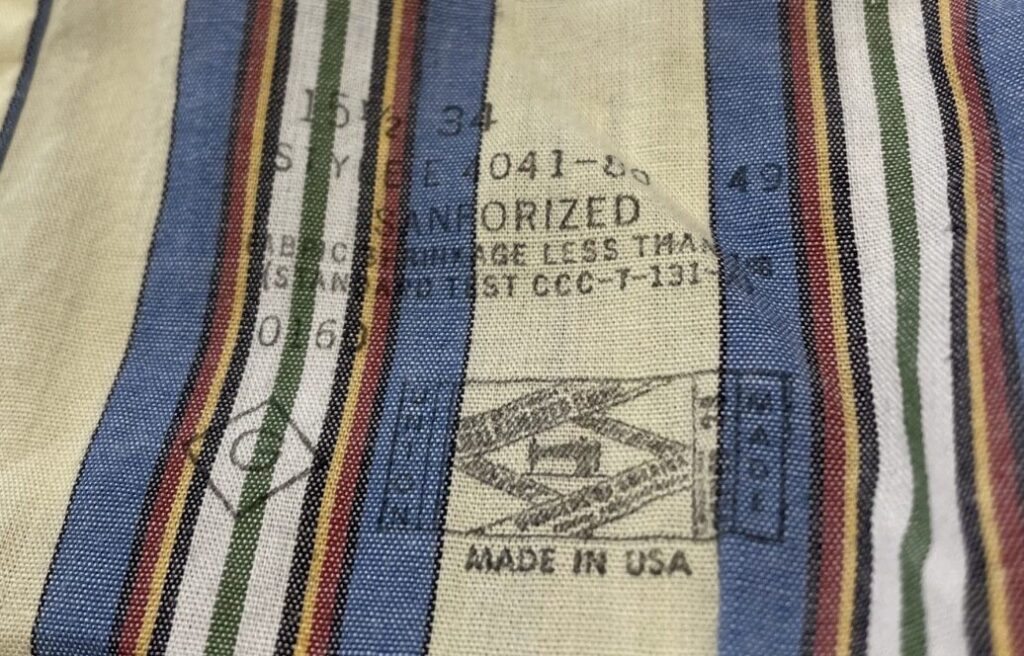
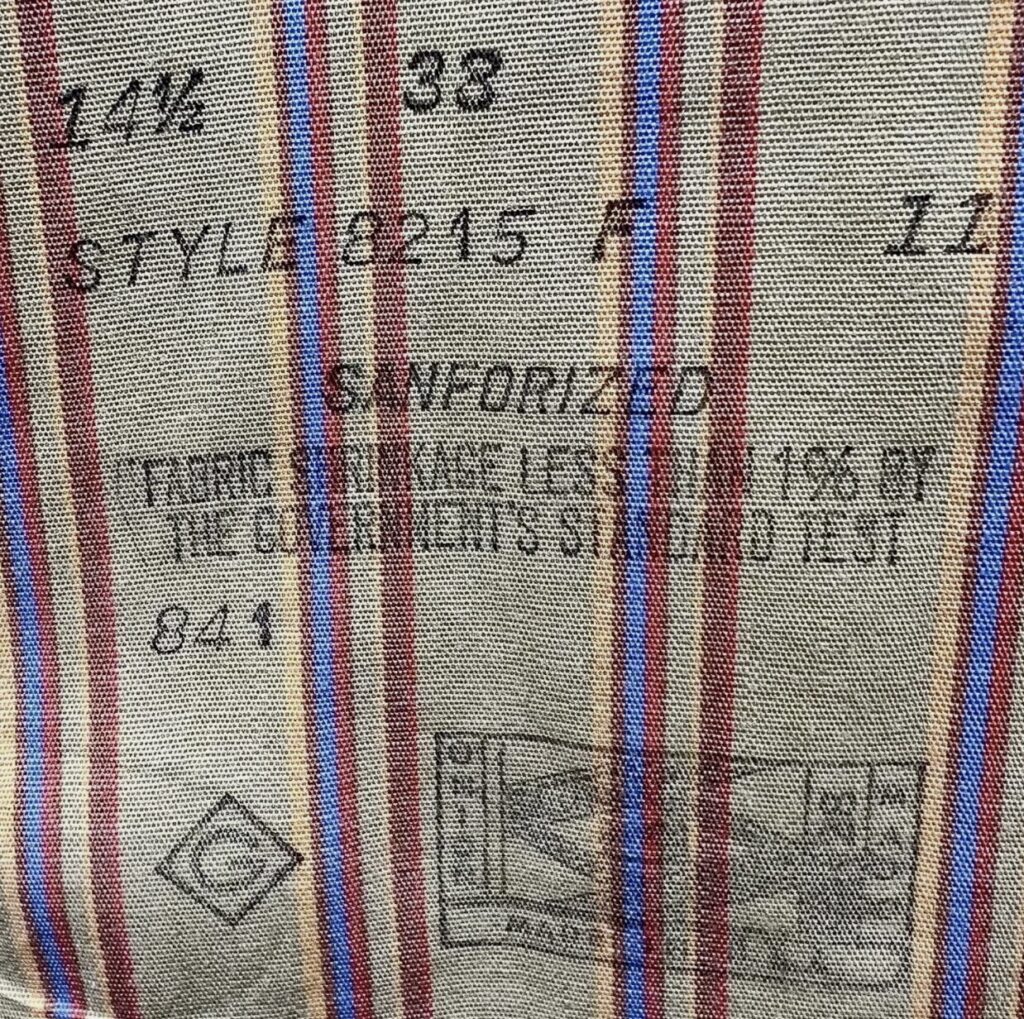
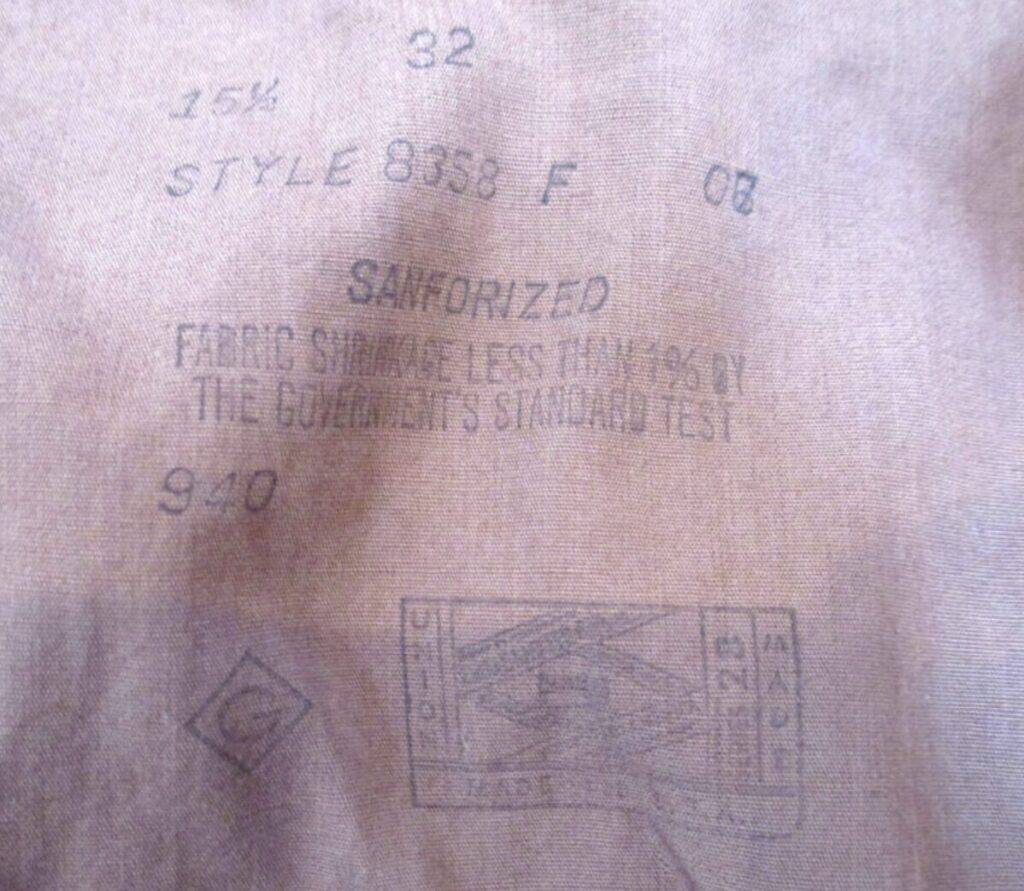
1967 GANT SHIRTMAKERS ORIGINAL TAG
1968
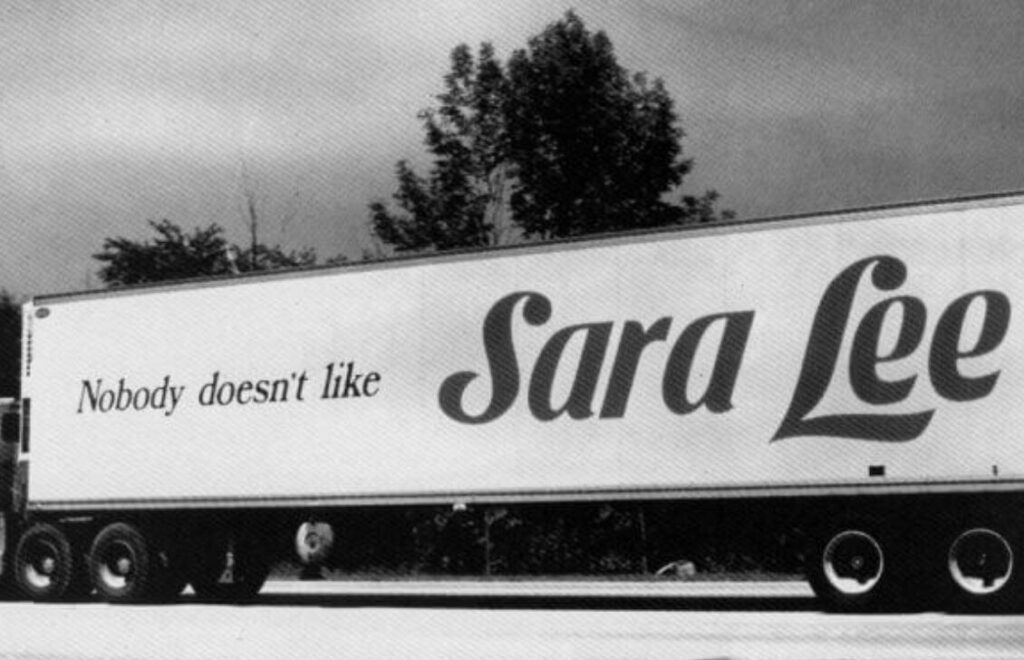
In 1968, GANT was acquired by the American conglomerate Consolidated Foods Corporation (CFC) after Sara Lee Corporation.As a result of this transaction, management by the Gantmacher family came to an end. While some sources cite 1967 as the year of acquisition, this is likely to reflect the timing of negotiations or contractual agreements. By contrast, 1968 is more reasonably understood as the year in which the transfer of control and corporate integration were substantively completed.
At the time, Consolidated Foods was centered on its food business but was actively pursuing a diversification strategy that included expansion into the apparel sector. The acquisition of GANT was positioned within this broader strategy and represented an investment in an established brand with perceived growth potential. Following the acquisition, GANT did not immediately undergo major changes in its production structure or product composition. Its shirt-centered business model was maintained for a period, and domestic production in the United States continued. However, with the shift in corporate ownership, GANT gradually moved away from its previous framework as a manufacturer-led shirtmaker and became integrated into a broader context of brand-oriented management. The 1968 acquisition thus represents a critical turning point in GANT’s history: a transition from the postwar American shirtmaker model—rooted in in-house production and supported by organized labor—to a new phase defined by brand diversification and the prospect of international expansion.
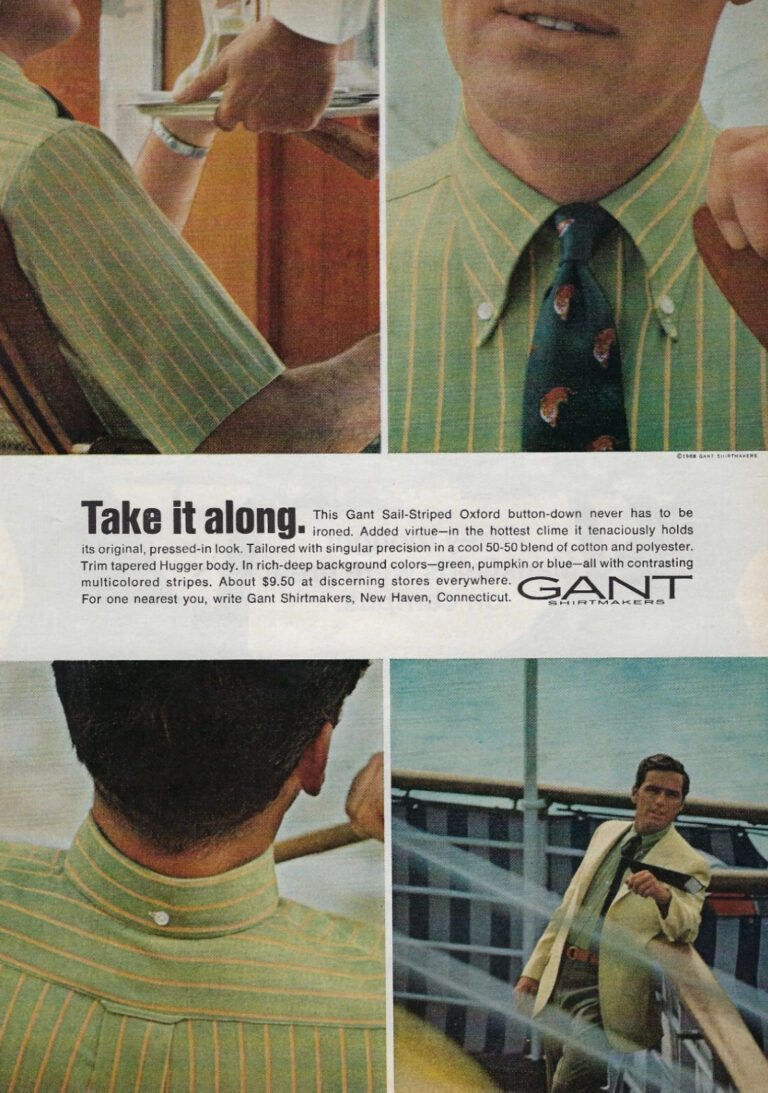
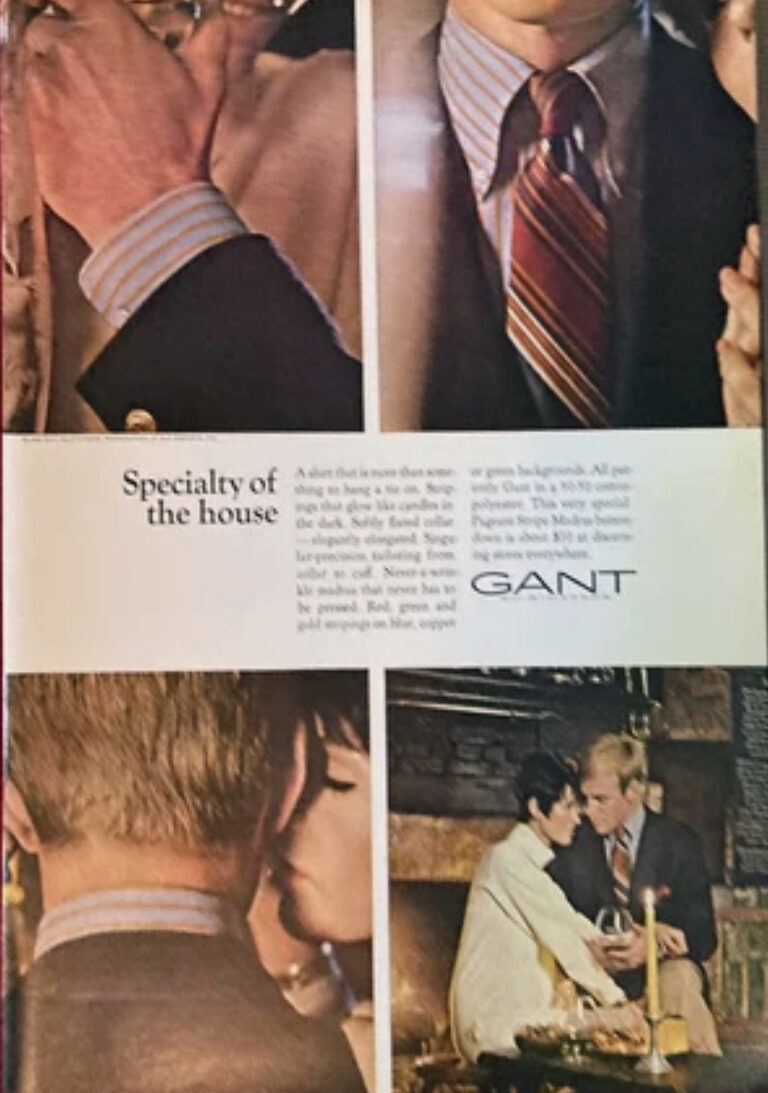
1968 GANT VINTAGE AD
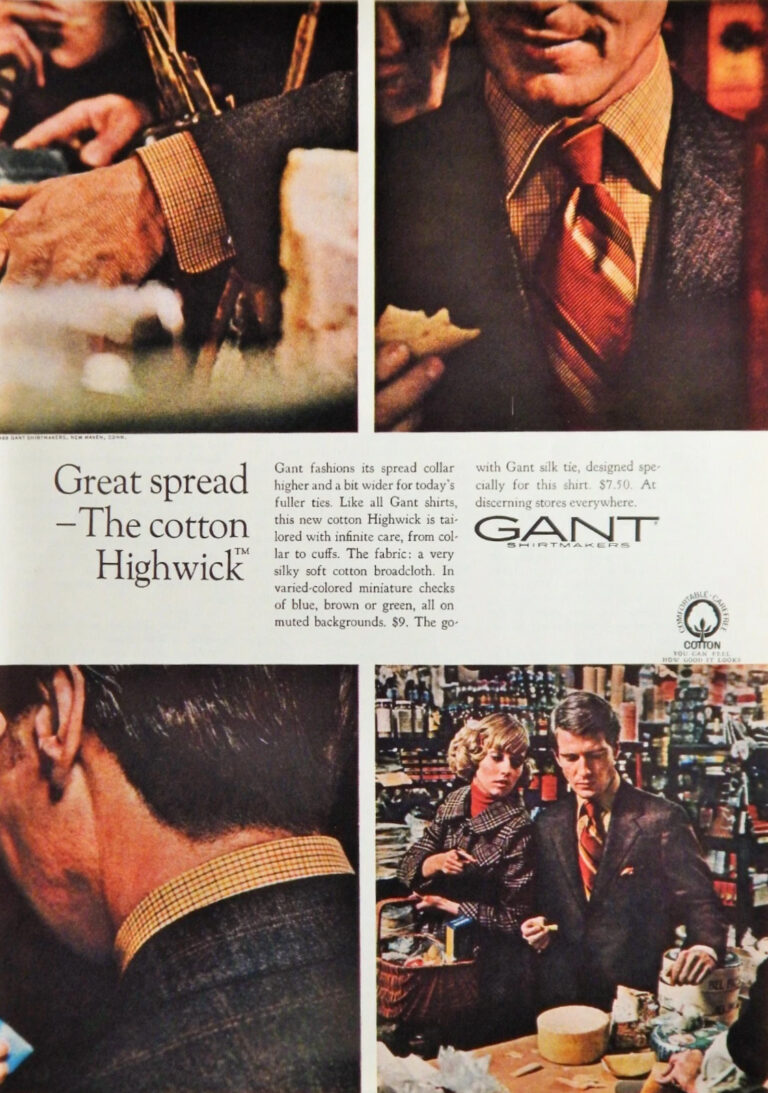
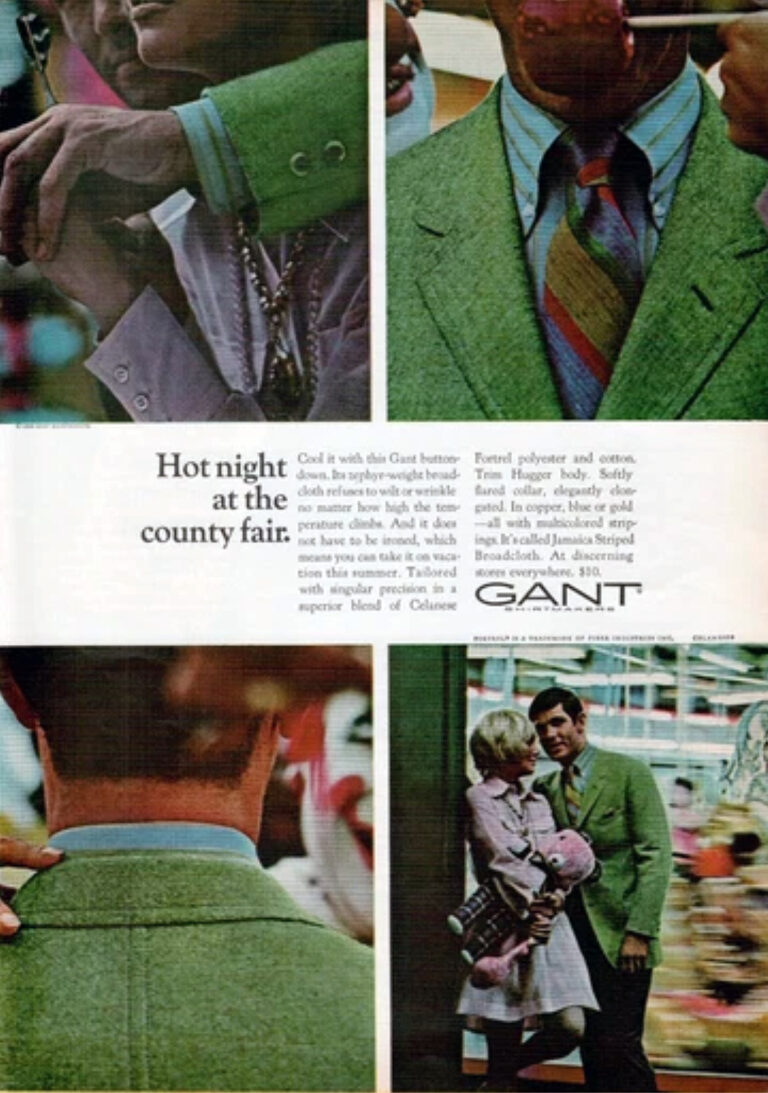
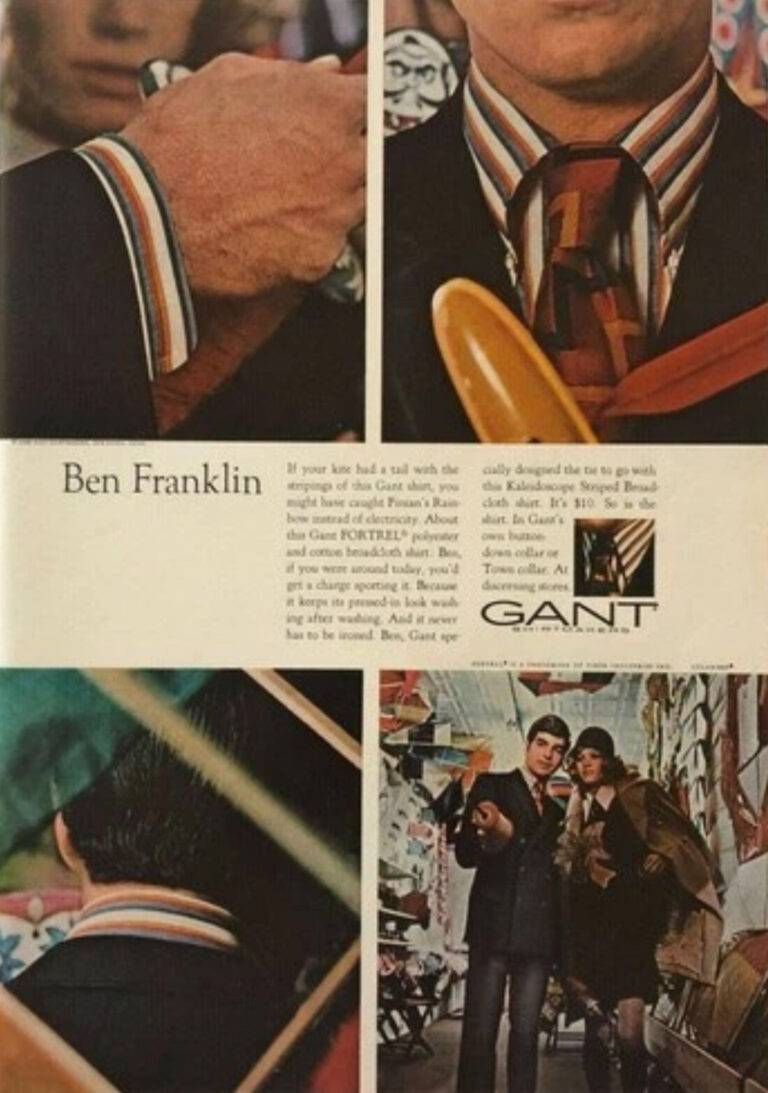
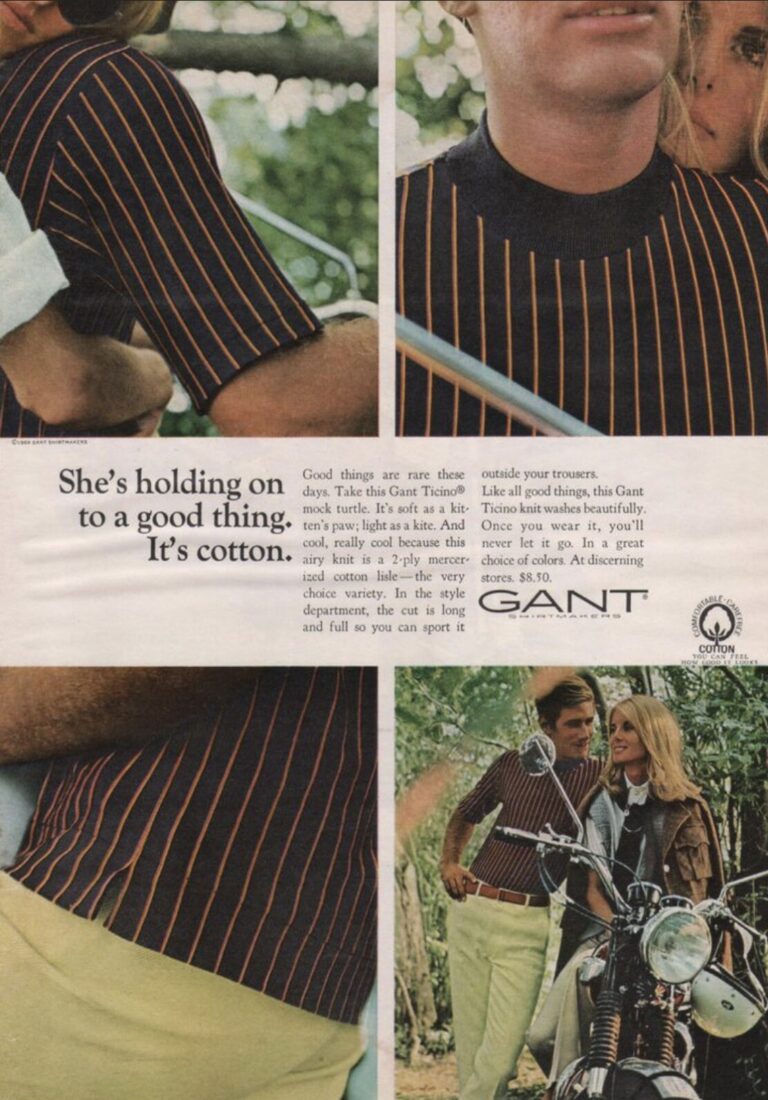
1969 GANT VINTAGE AD
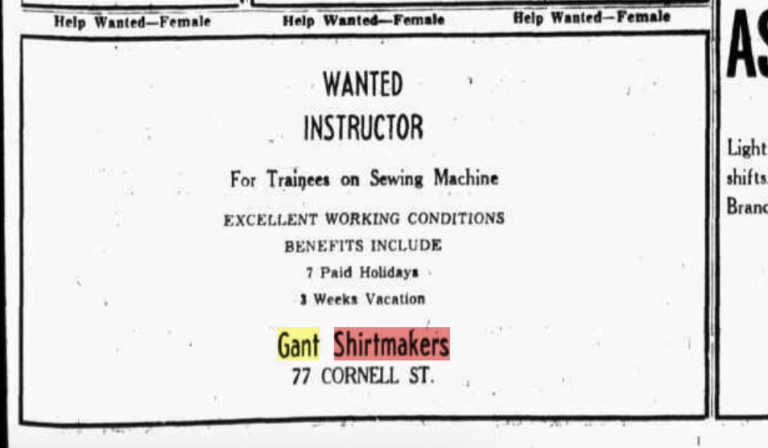
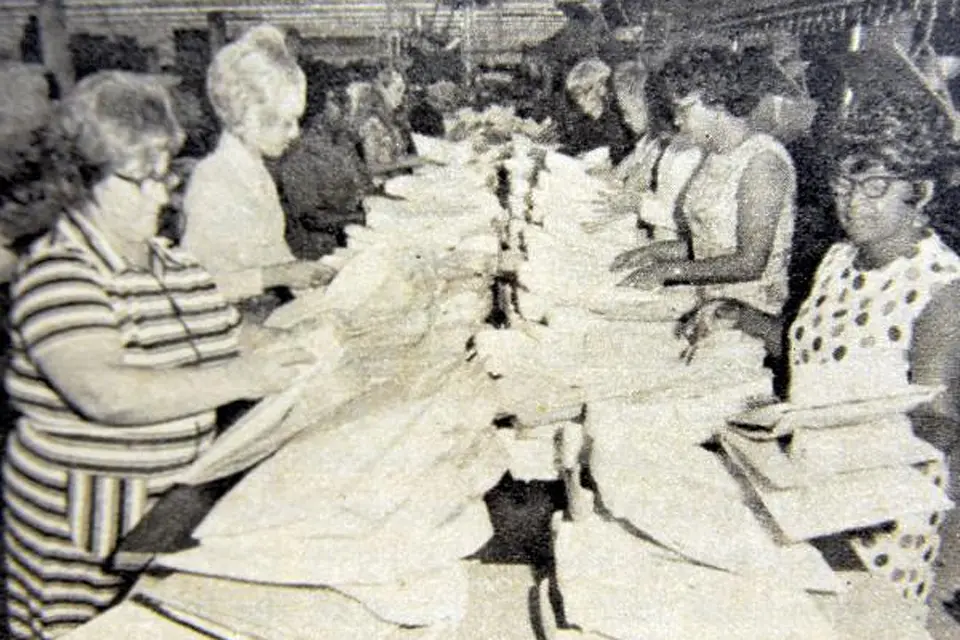
From a Sept. 5, 1971,
feature in the New Haven Register on the opening of Gant’s new factory in New Haven.
Original caption: “The final product — ready for packaging.” Register file photo.
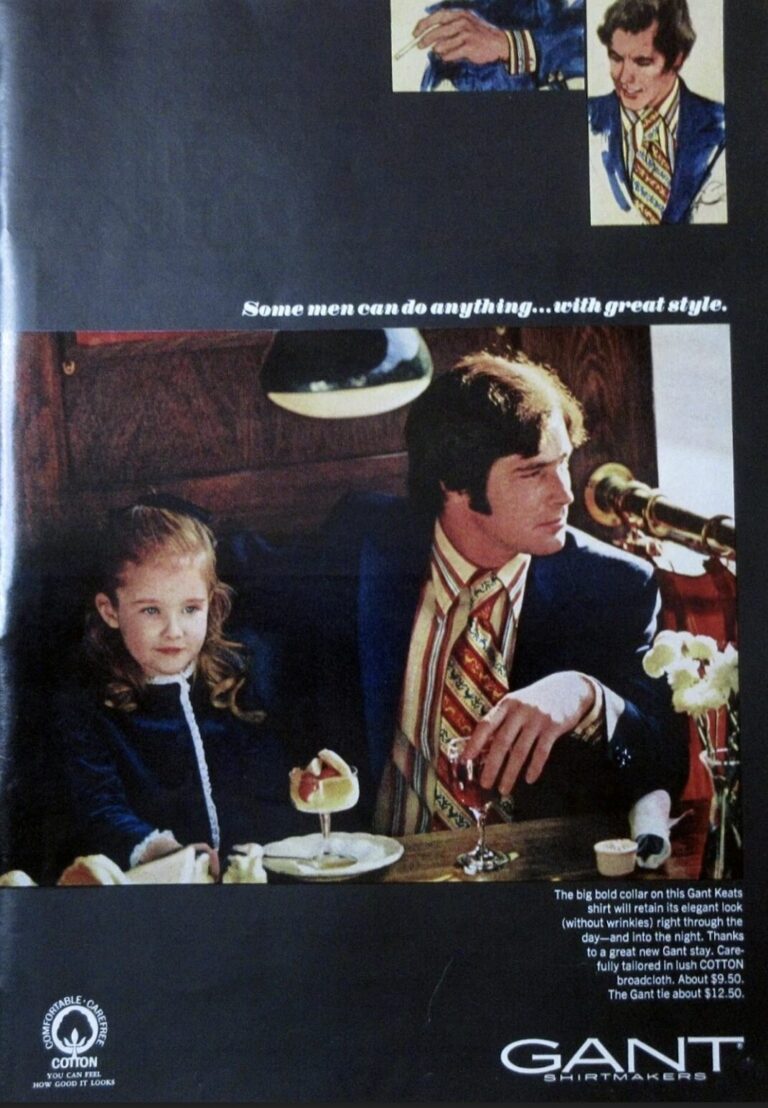
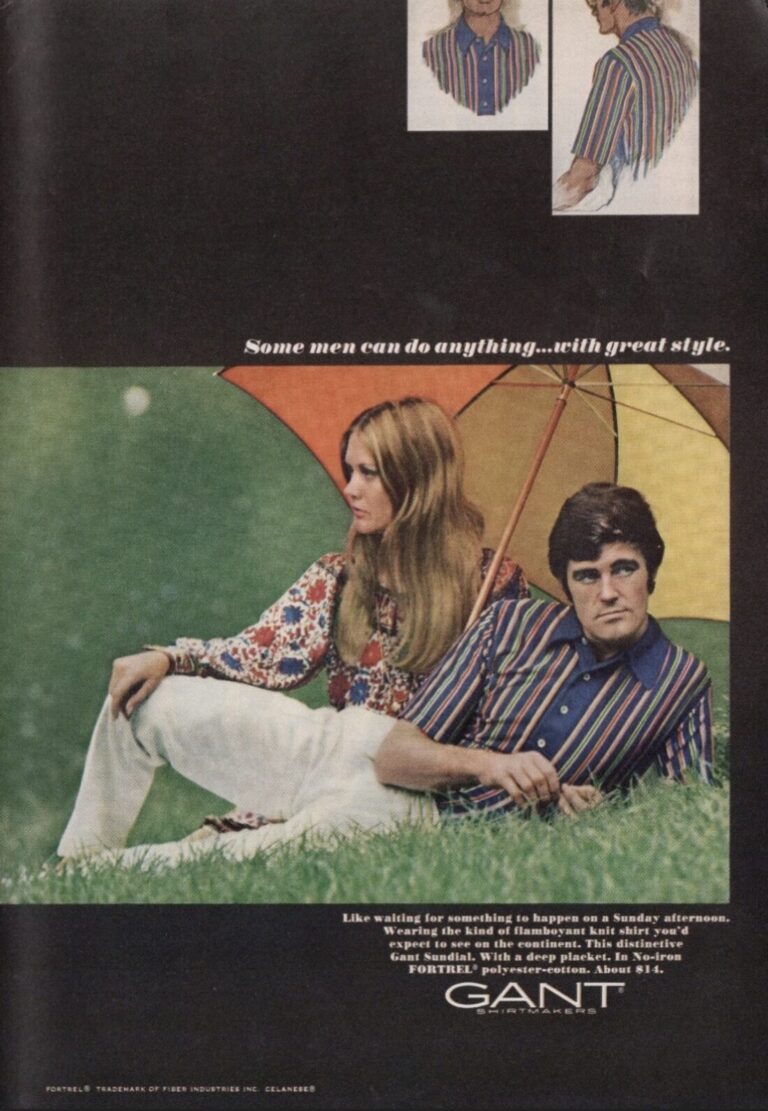
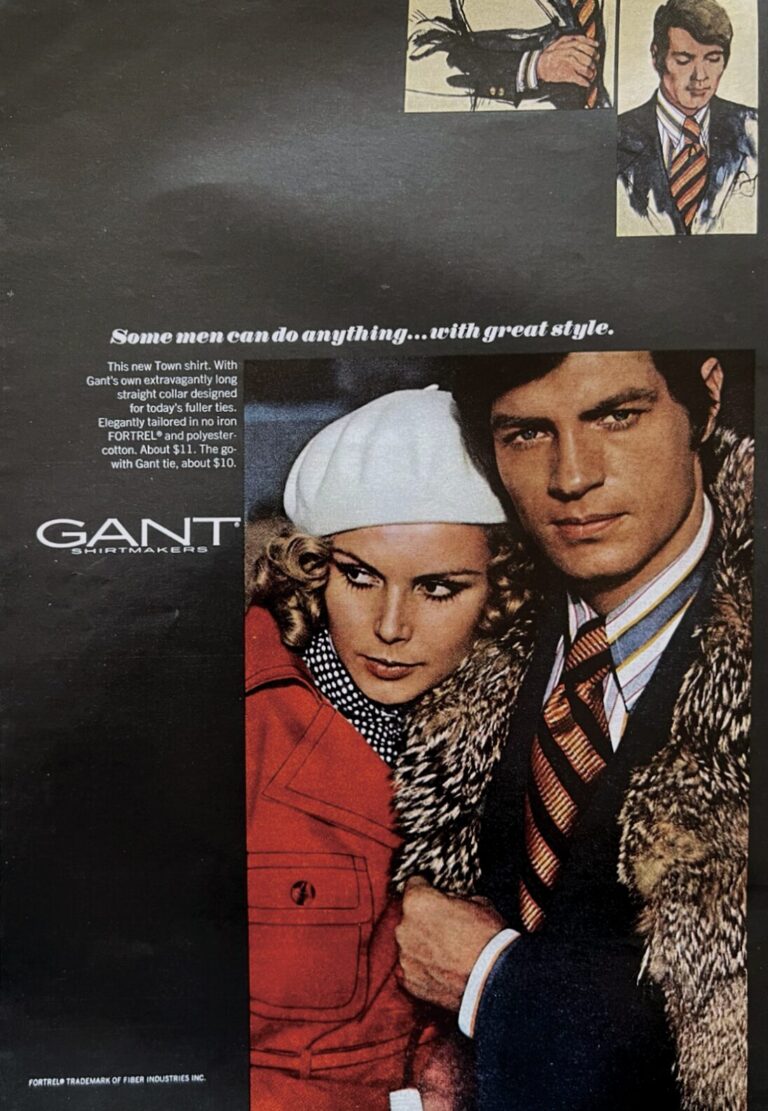
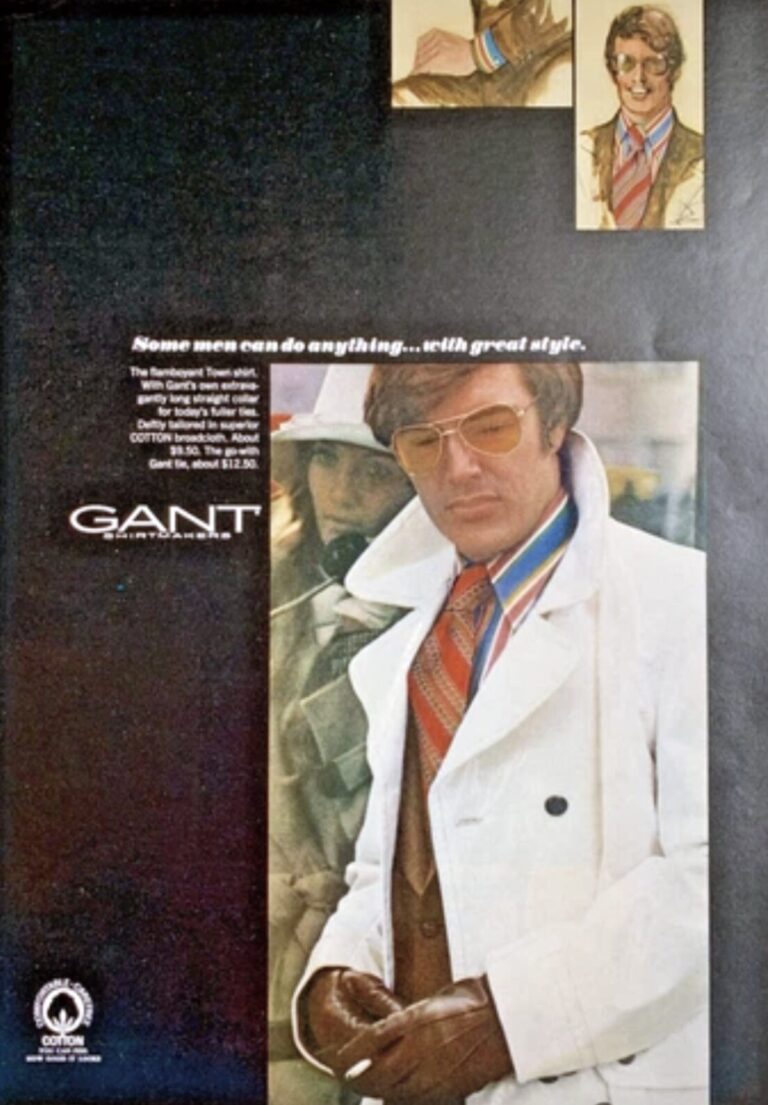
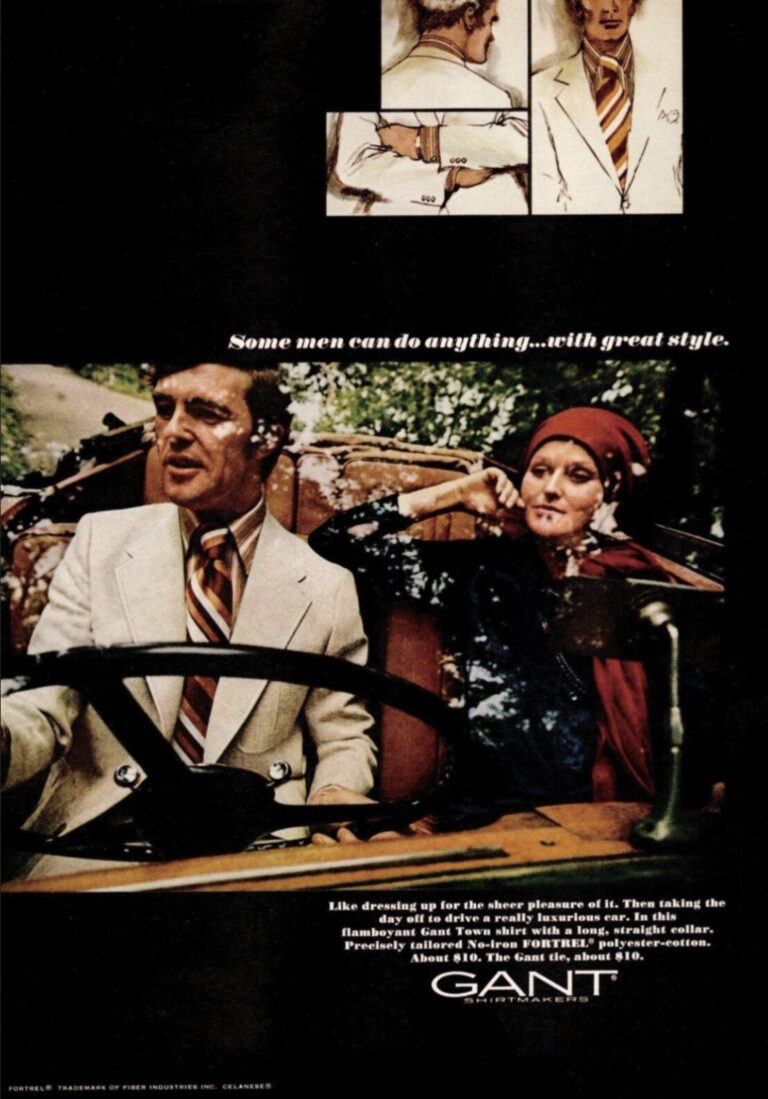
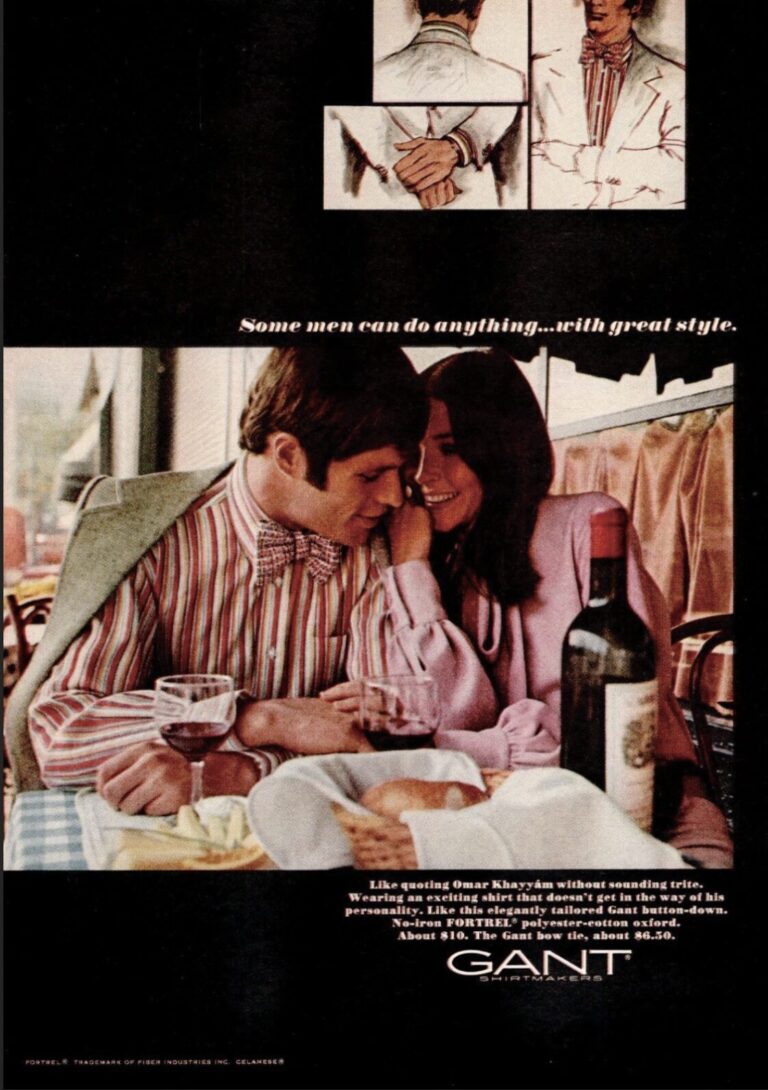
1970 GANT SHIRTMAKERS VINTAGE AD
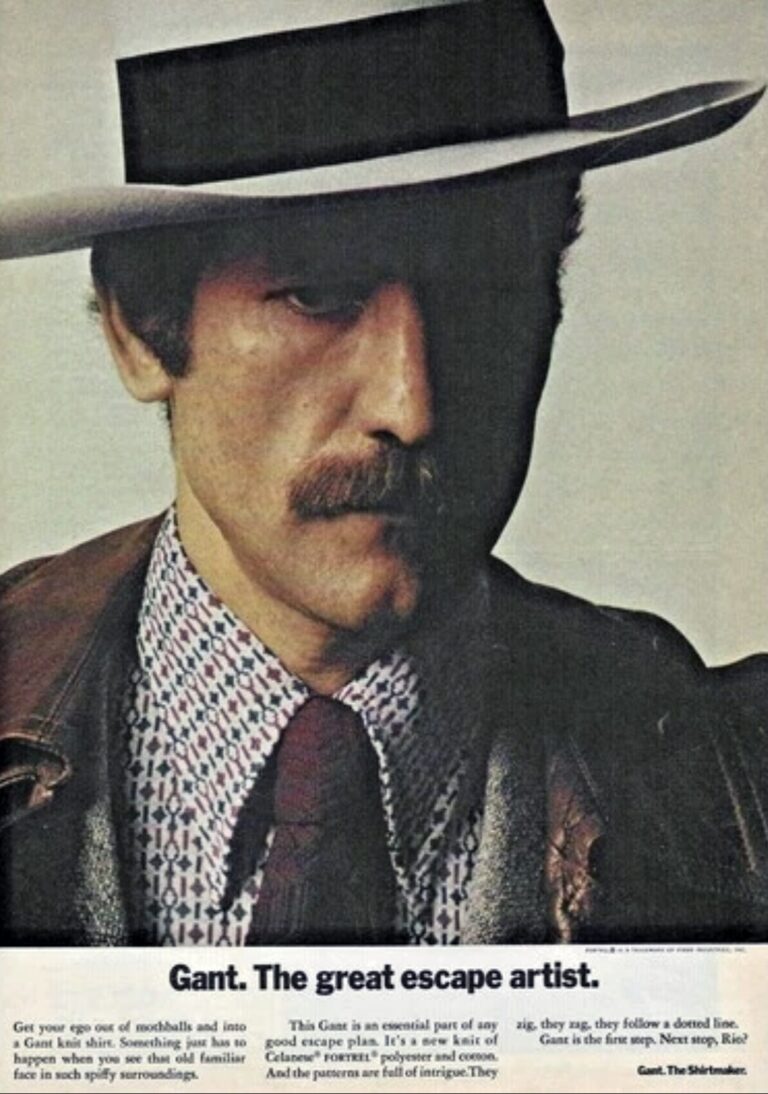
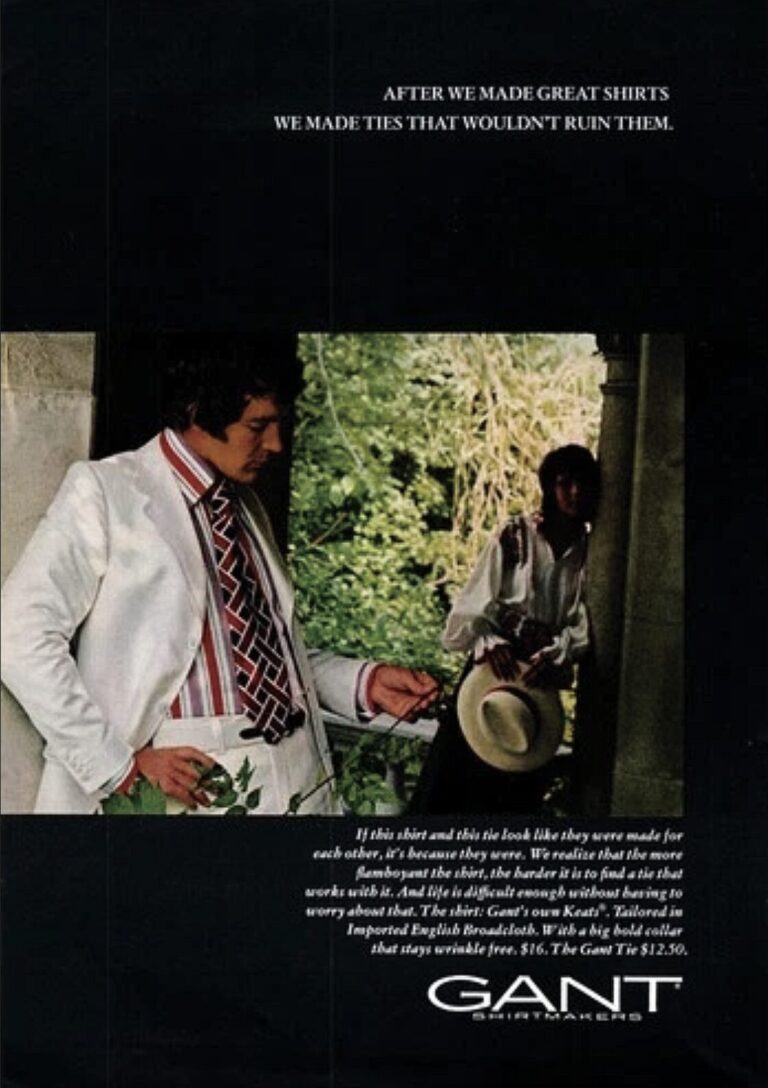
1971 GANT SHIRTMAKERS VINTAGE AD
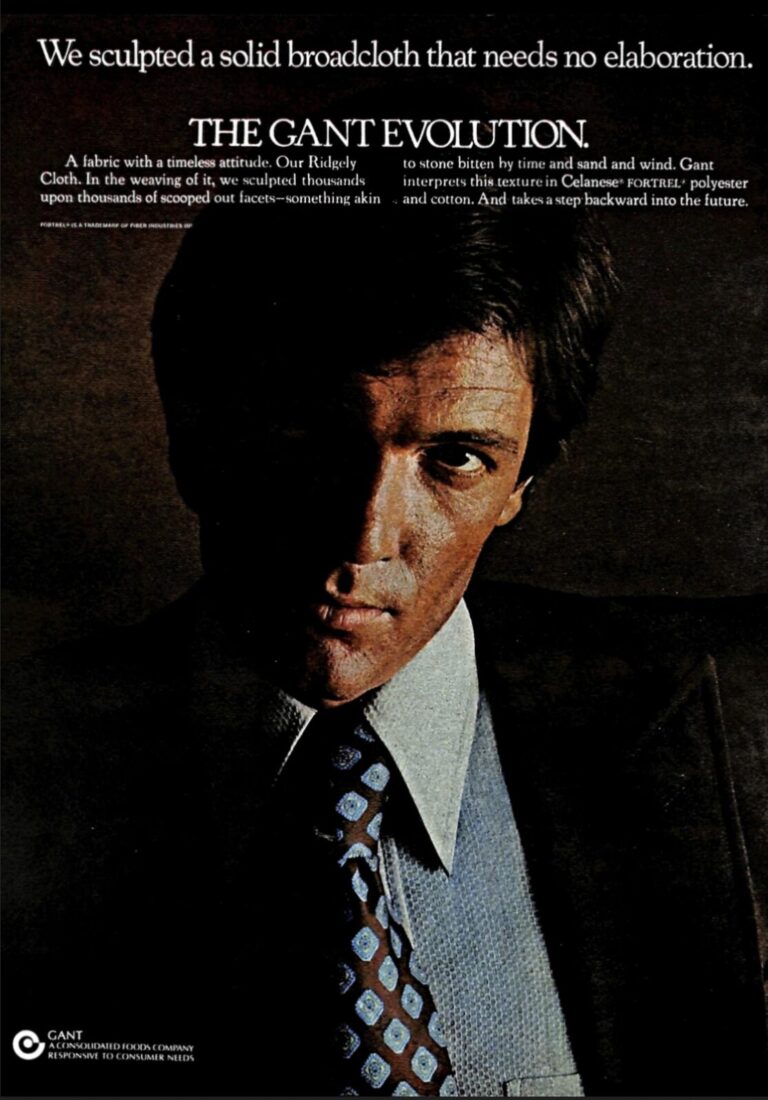
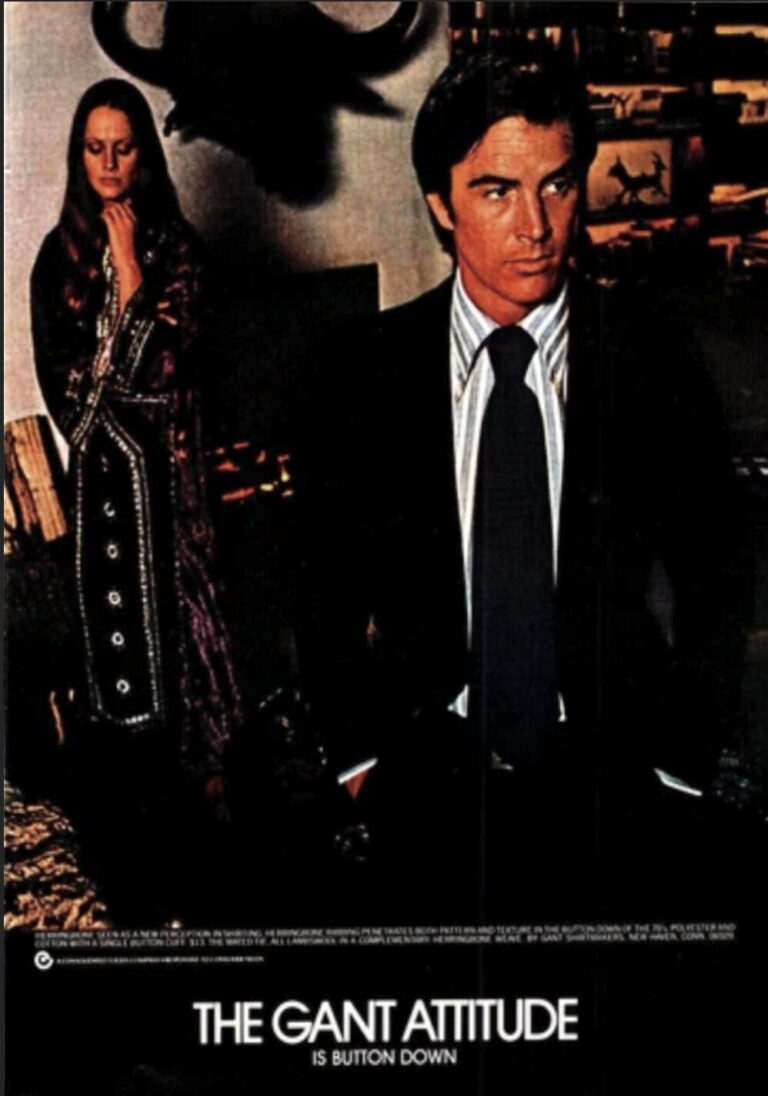
1972 GANT SHIRTMAKERS VINTAGE AD
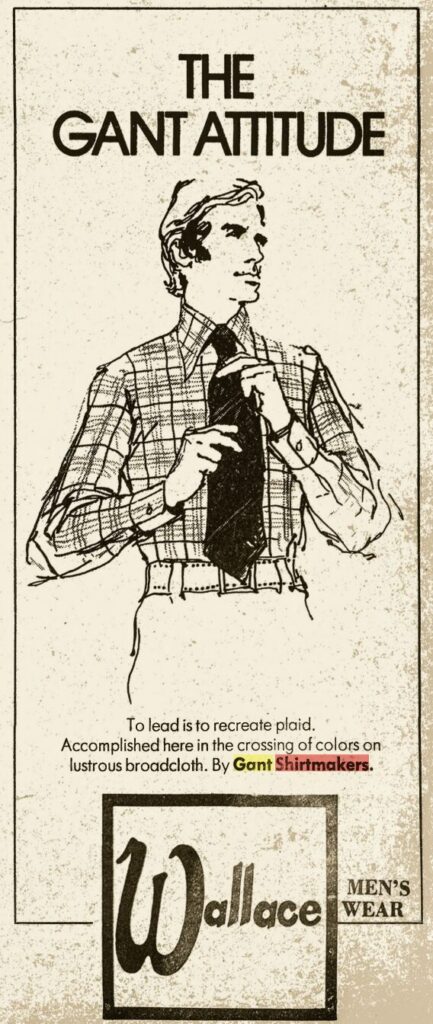
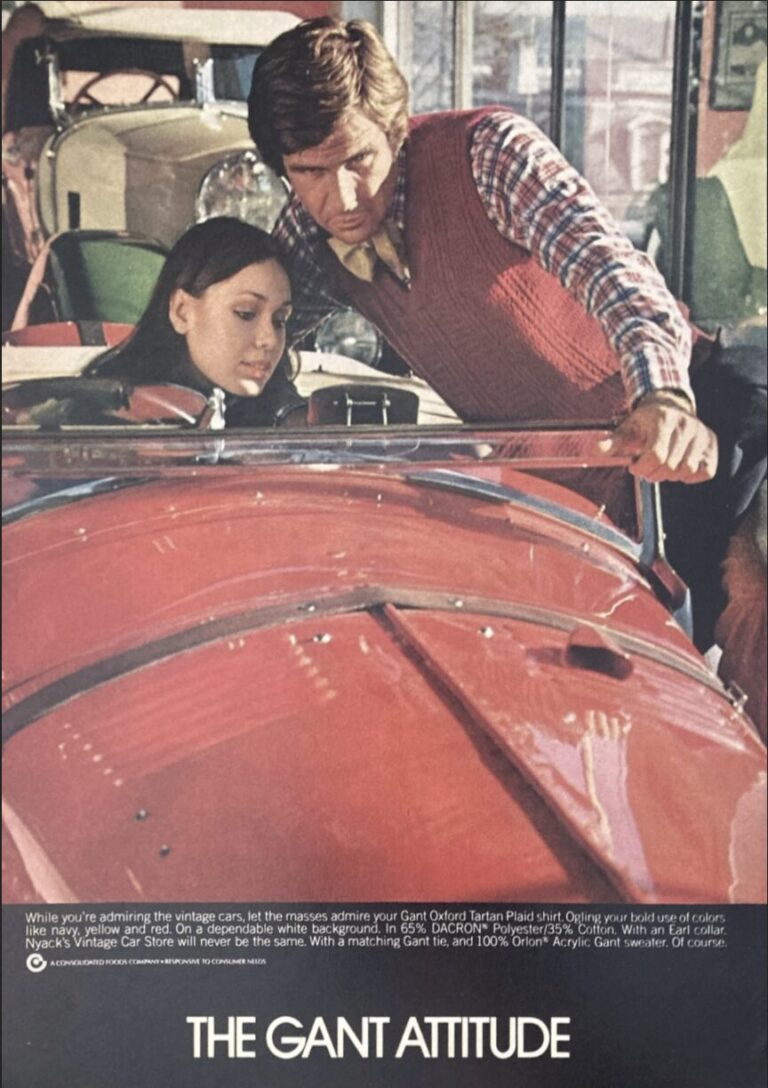
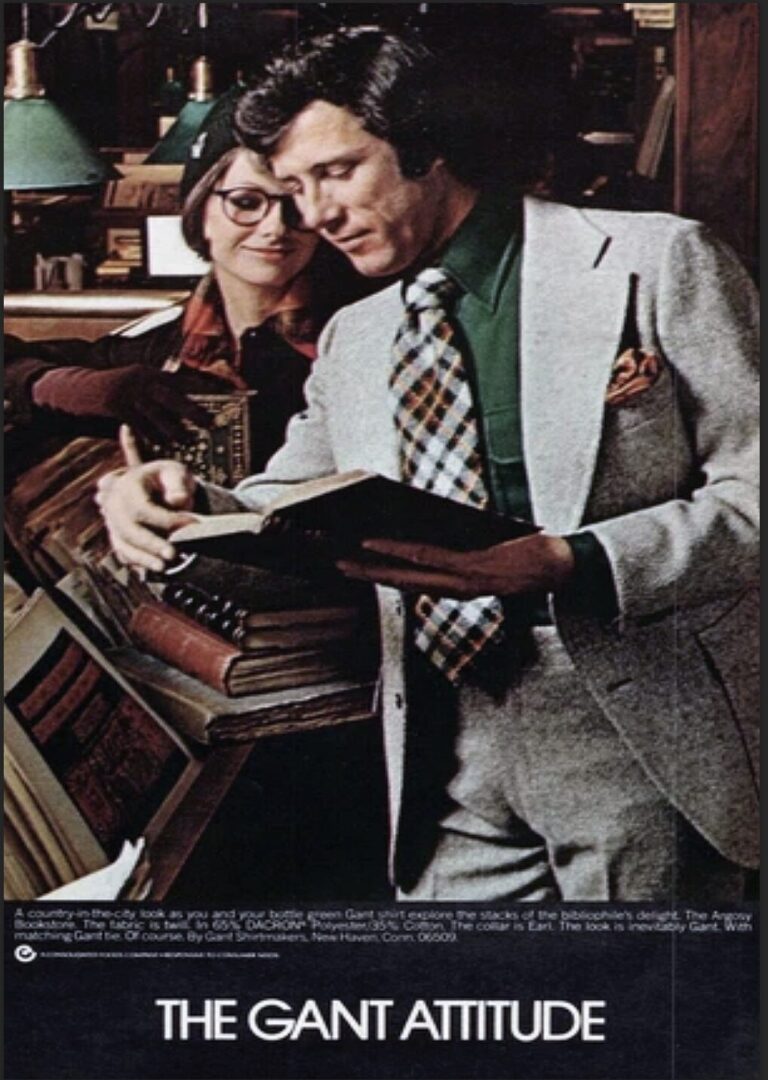
1973 GANT SHIRTMAKERS VINTAGE AD
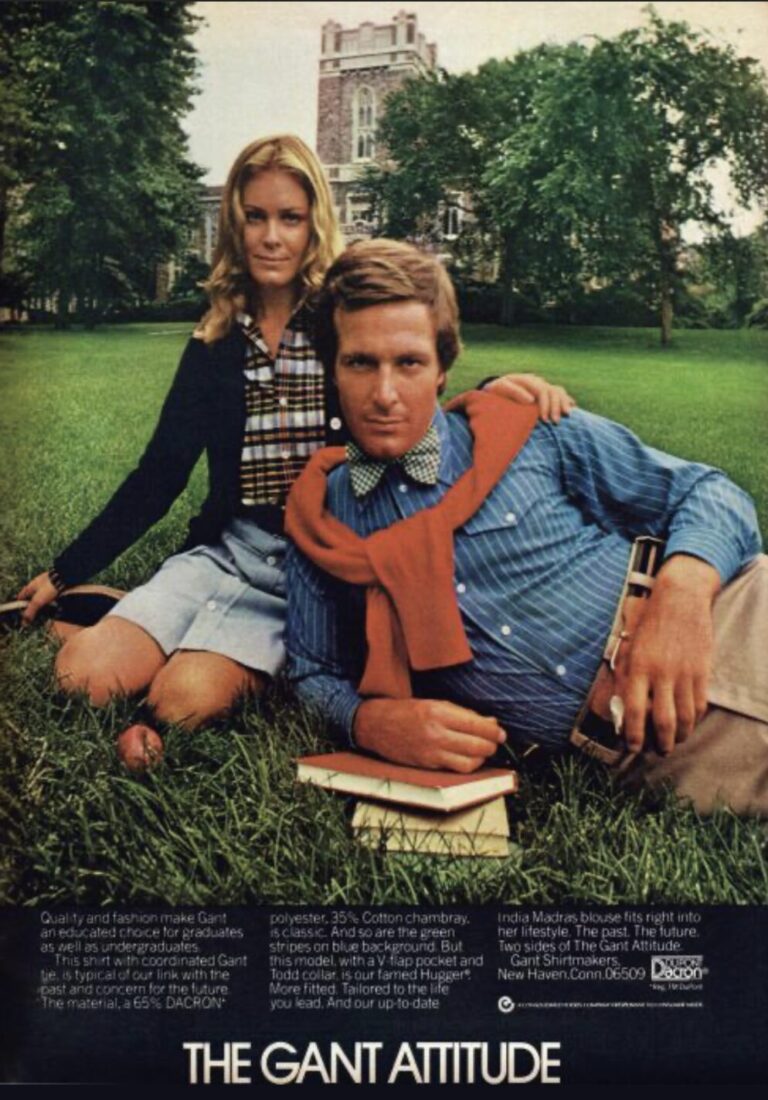
1974 GANT SHIRTMAKERS VINTAGE AD
1974
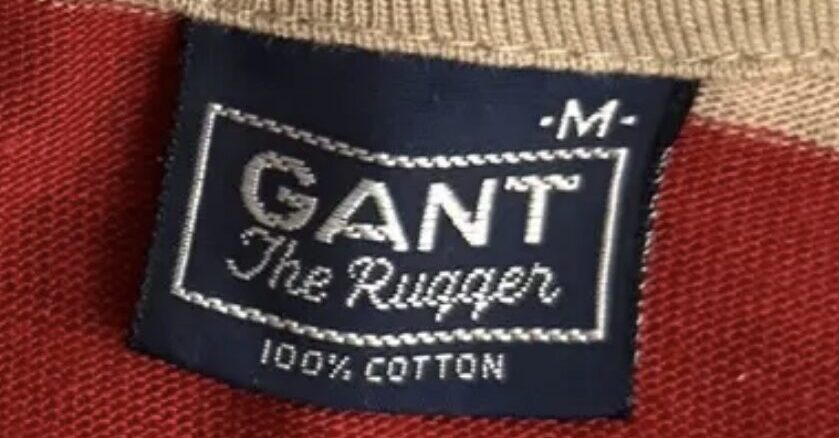
1. 1974: The Full Launch of “THE RUGGER”
Up through the 1960s, GANT was widely recognized as a leading American shirtmaker, particularly associated with button-down shirts. After the company was acquired in 1968 by Consolidated Foods Corporation (CFC), management sought avenues for growth beyond dress shirts alone.
During this period, rugby-style knit shirts were gaining visibility in collegiate settings. The name “RUGGER” was adopted internally in 1973, and commercial use of the name began in 1974, when products were introduced to the market under the designation “THE RUGGER,” later commonly referred to as GANT RUGGER.
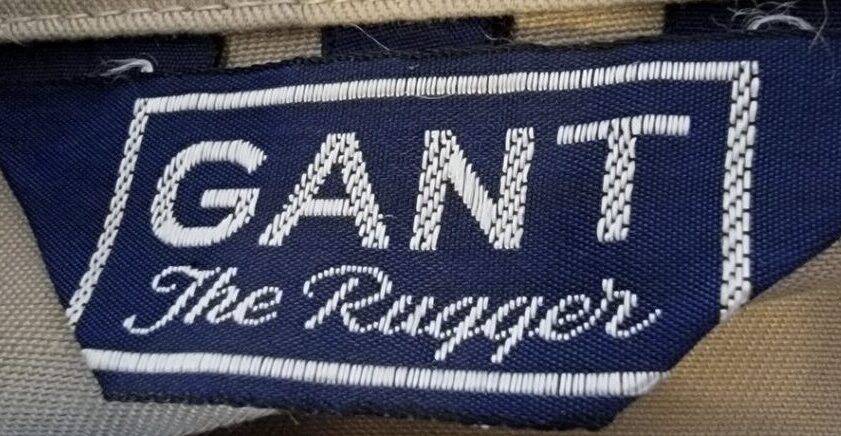
2. 1978: A Trademark Lawsuit That Determined the Brand’s Survival
Following its introduction, the use of the name “RUGGER” became the subject of legal dispute. Anvil Brand Company, which held a federal registration for the mark “RUGGERS,” brought suit against Consolidated Foods Corporation, alleging trademark infringement.
- 1976: Anvil asserted its claim against GANT’s use of the term “RUGGER.”
- December 8, 1978: The United States District Court for the Southern District of New York issued its decision.
The court determined that Anvil’s trademark registration for “RUGGERS” had been abandoned through non-use and ordered its cancellation. At the same time, the court held that the term “RUGGER,” as applied to rugby-style knit shirts, was generic and therefore not subject to exclusive trademark rights by either party. As a result, while Anvil’s registration was cancelled, GANT did not obtain exclusive rights to the term “RUGGER,” but was permitted to continue using it in commerce.
3. The Palm Beach Era: A Golden Age Across America (1979–1995)
In 1979, GANT entered a new phase under the ownership of the Palm Beach Company. During this period, GANT RUGGER products were manufactured in the United States and widely distributed.
Coinciding with the broader growth of preppy and collegiate-influenced casual wear in the United States, GANT RUGGER became a familiar presence in the American market. Products from this era are characterized by the combination of shirtmaking details—particularly collar construction—and the durability expected of sportswear, and are widely collected today.
4. 2010: Revival by Christopher Bastin
From the 1990s onward, changes in ownership structure and production geography reduced the visibility of the original RUGGER line. In 2010, the line was reintroduced as a heritage-oriented collection under the direction of designer Christopher Bastin.
Drawing on archival material from earlier periods of the brand’s history, Bastin reinterpreted rugby shirts and related items with reference to American sportswear traditions, positioning GANT RUGGER once again as a historically grounded line within the contemporary brand.
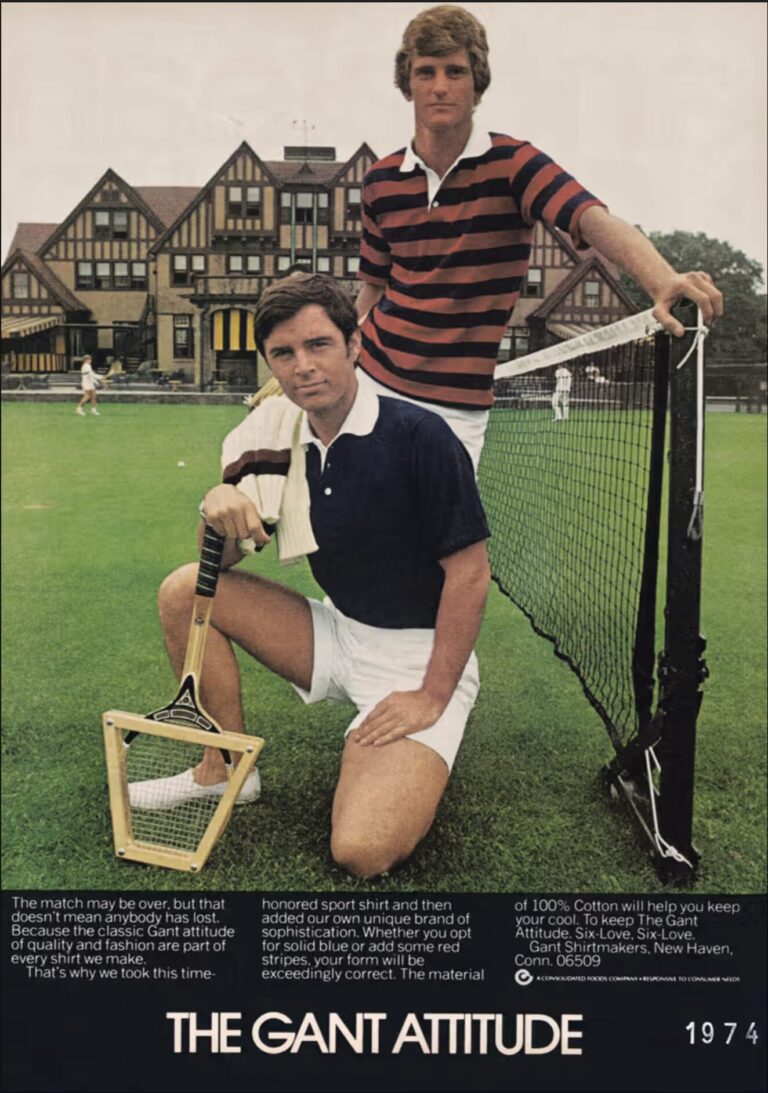
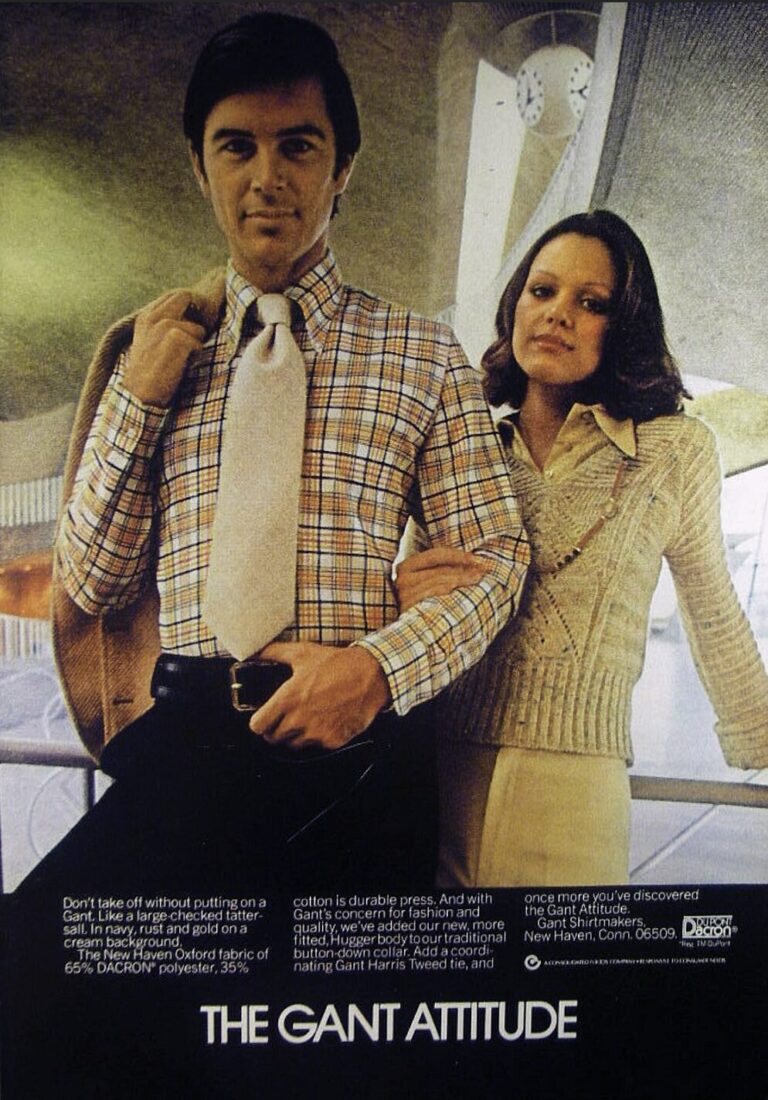
1974 GANT SHIRTMAKERS VINTAGE AD
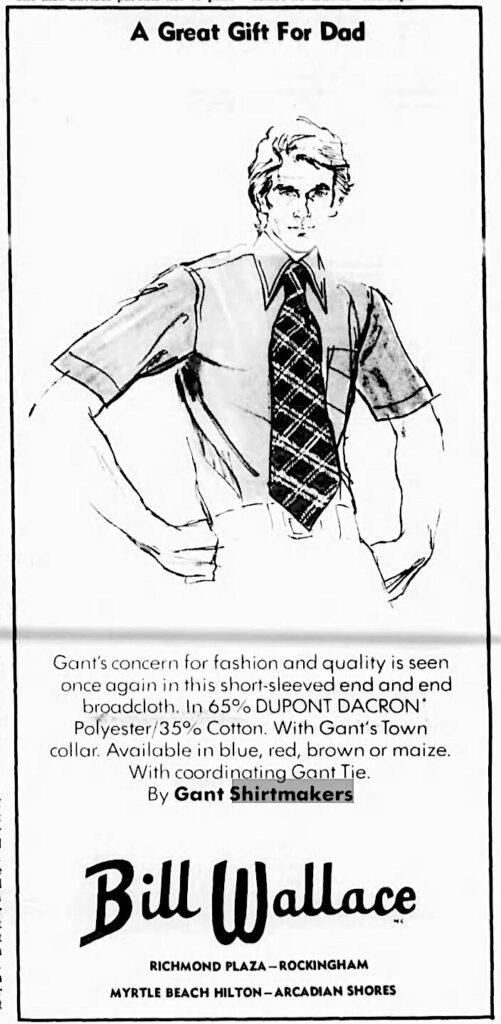
1975 Rockingham NC Richmond County Journal1975 Mar-Dec – 0133.pdf
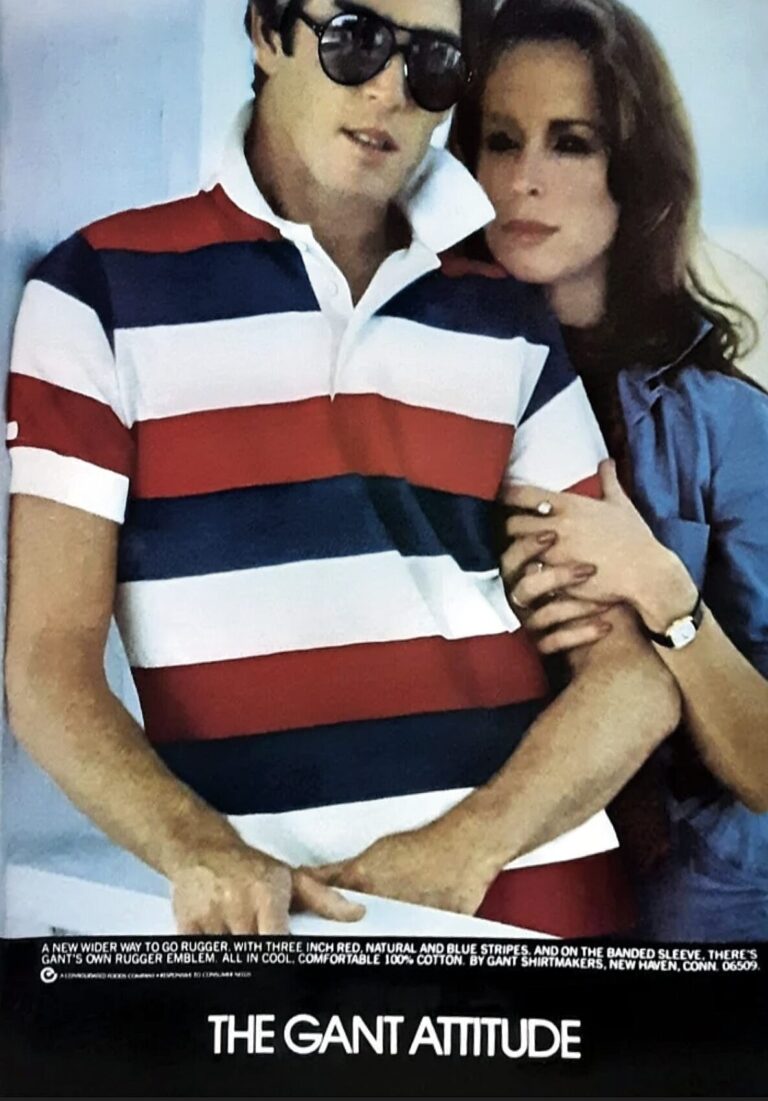
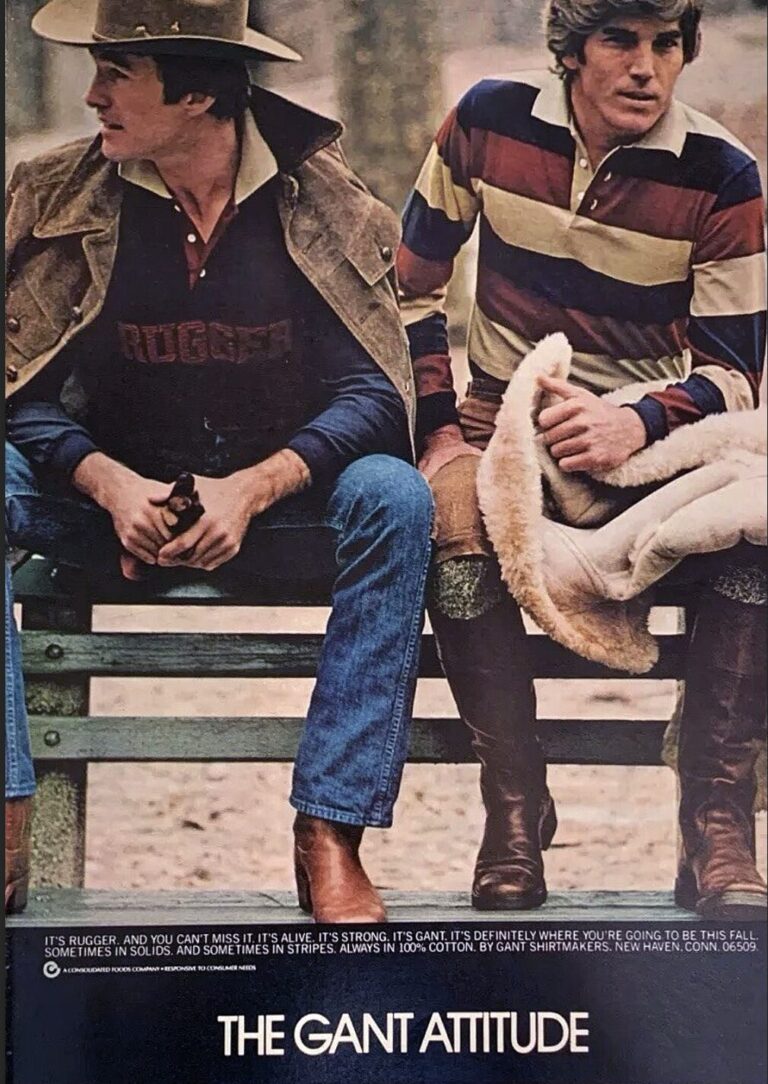
1976 GANT SHIRTMAKERS VINTAGE AD
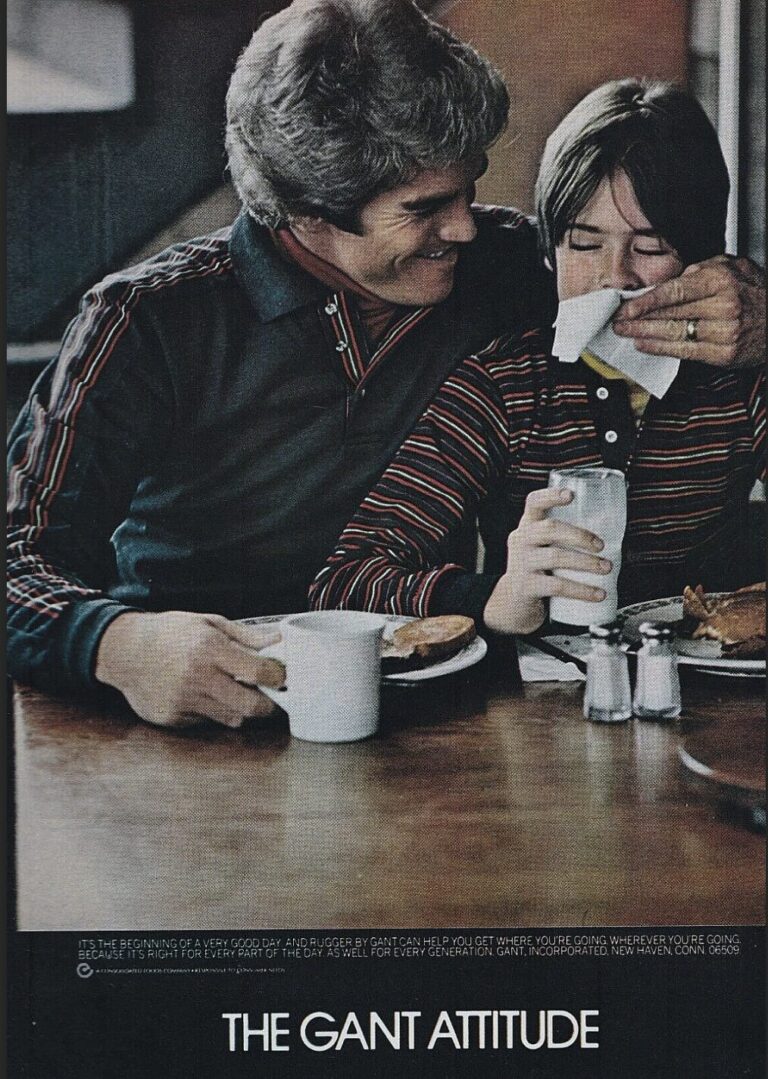
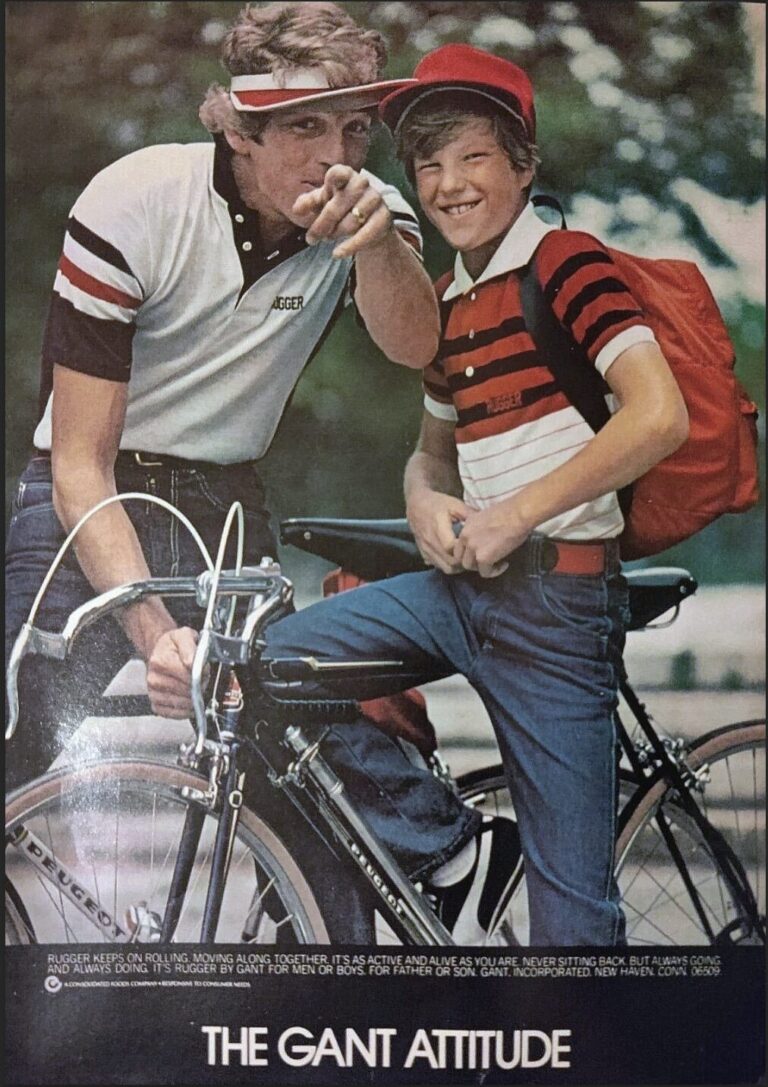
1978 GANT SHIRTMAKERS VINTAGE AD
1968: Launch of the New Factory Project Using IBM Computer Systems
Under the umbrella of the conglomerate CFC, construction began on a new factory at 40 Sargent Drive, a project that carried the future of the brand. The expansion was centered on advanced automation, including a fully automated warehouse operated by IBM computer systems.
1971: Completion of the State-of-the-Art Factory and a Critical Miscalculation
The factory was completed in 1971. However, the system—designed by engineers with limited knowledge of the textile industry—proved inefficient and ill-suited to handling fabric. From the outset, operations were marked by confusion and inefficiency on the production floor.
Mid-1970s: From a Symbol of the Future to an “Albatross”
What had been intended as a symbol of progress became a costly burden. High maintenance expenses and persistent operational problems placed increasing strain on both management and the brand’s credibility.
1979: Acquisition and Closure
The financial burden created by the failed expansion ultimately led to the company’s acquisition by Palm Beach Inc. in 1979
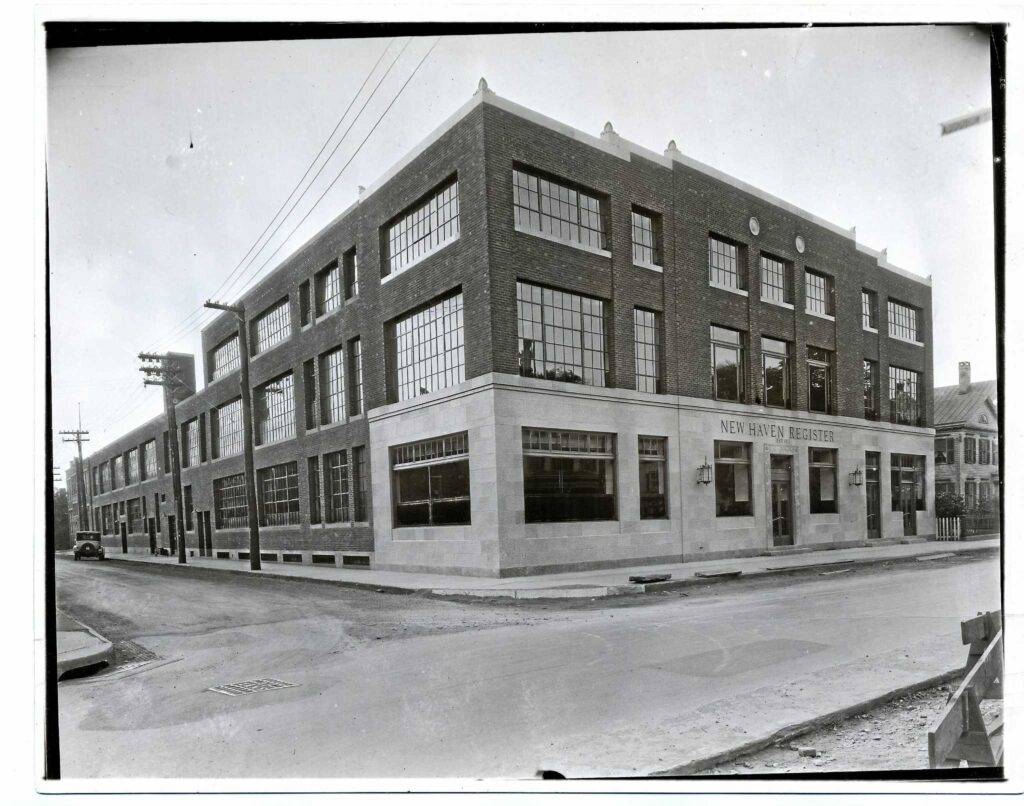
1979
LAST OF NEW HAVEN FACTORY
NEW HAVEN, Dec. 7 . 1979 — From the corset factory where middle‐aged women come to work in their aprons to the courts of the new downtown racquetball club, there is an optimism here these days that not even a gloomy labor picture can dim.
“The 1980’s are going to be absolutely wonderful for New Haven,” declared former Mayor Richard Lee, the moving spirit of the city’s urban renewal program, the prototype for similarly huge and debated efforts in other cities.
The hopes of a renaissance were dealt a blow last week when United States Steel announced it would close its cable mill here Dec. 31, throwing 400 people out of work. The decision, which state and local officials are trying to reverse, followed the closing of the Gant shirt factory, which employed 500 people.
With 4,200 people, or 6.7 percent of New Haven’s population, now unemployed, there is also great concern about the 1,300 employees at the Olin Corporation’s Winchester firearms plant who have been on strike for five months, with little sign of progress in negotiations. Officially, Olin says it has no plans at the “present time” to leave town, and for years local and state officials have been wooing the company with numerous tax breaks, incentives and plans to modernize the old factory and keep it in New Haven. But there is still fear the company may leave.
THE NEW YORK TIMES
AFTER 80s
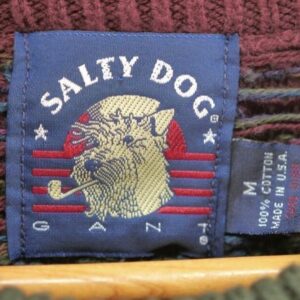
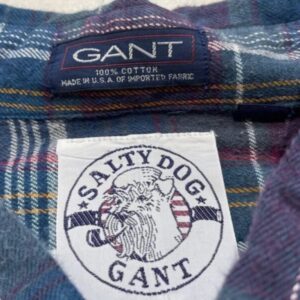
In 1999, PVH sold GANT’s U.S. operations to Pyramid Sportswear, which already controlled GANT’s international licensing rights. This transaction shifted the brand’s center of gravity decisively from the United States to Europe. PVH subsequently divested its remaining minority stake in GANT in 2003, fully exiting the brand.
The Swedish management team, who inherited control from PVH, renamed the company “GANT AB” and accelerated the brand’s revitalization from its new headquarters in Stockholm. In the early 2000s, with the support of capital from investment funds, the company expanded its women’s line and pushed forward with global retail expansion, leading to its listing on the O-list of the Stockholm Stock Exchange on March 28, 2006.
However, attracted by its growth potential, the Swiss retail giant Maus Frères launched a hostile takeover bid in late 2007. An agreement was eventually reached with the management, and following the completion of the acquisition in early 2008, GANT was delisted on March 20, 2008, becoming a wholly owned subsidiary of the group.
Today, GANT exists as a global lifestyle brand operated under a Europe-based management structure. While the name New Haven continues to be referenced within GANT’s identity, it functions not as a site of manufacturing but as a historical point of origin and a marker of the brand’s heritage.
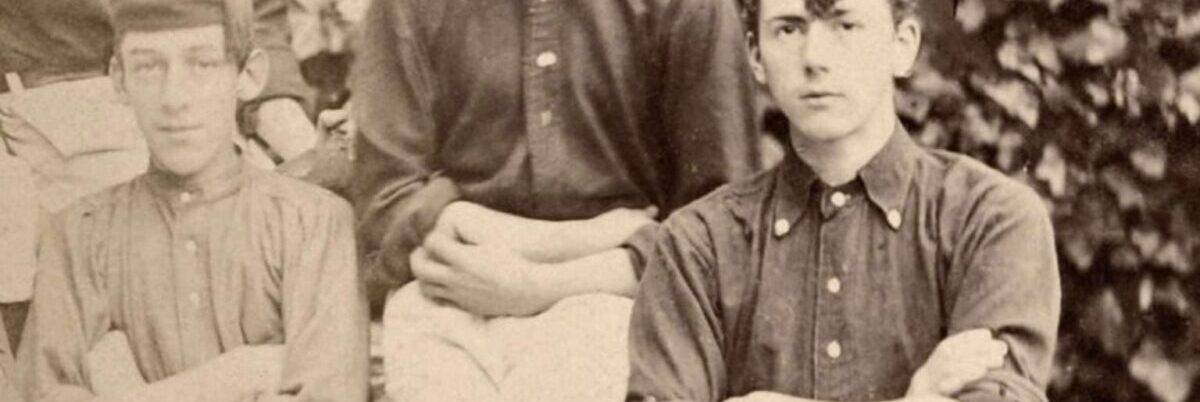
Who invented the button-down ?