
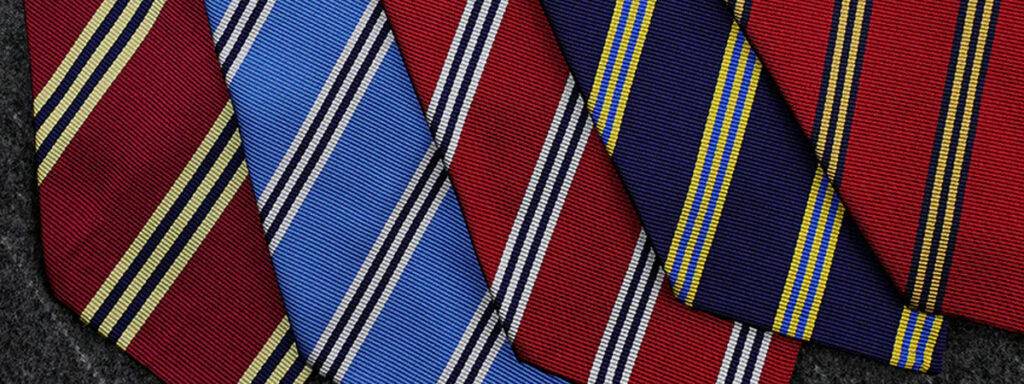
I believe Japanese people have a fondness for both British regimental ties and American repp stripe ties. Since Japan is largely a classless society, I suspect this is a unique cultural phenomenon rooted in an admiration for Western styles. How is this perceived in your country? I think the repp stripe tie is one of the fashion cultures originating in America. In particular, I was taught that Brooks Brothers created it in 1902. I believe Brooks Brothers’ history is a long series of acquisitions, so their narratives were often crafted in later years. This time, I decided to look into the repp tie.
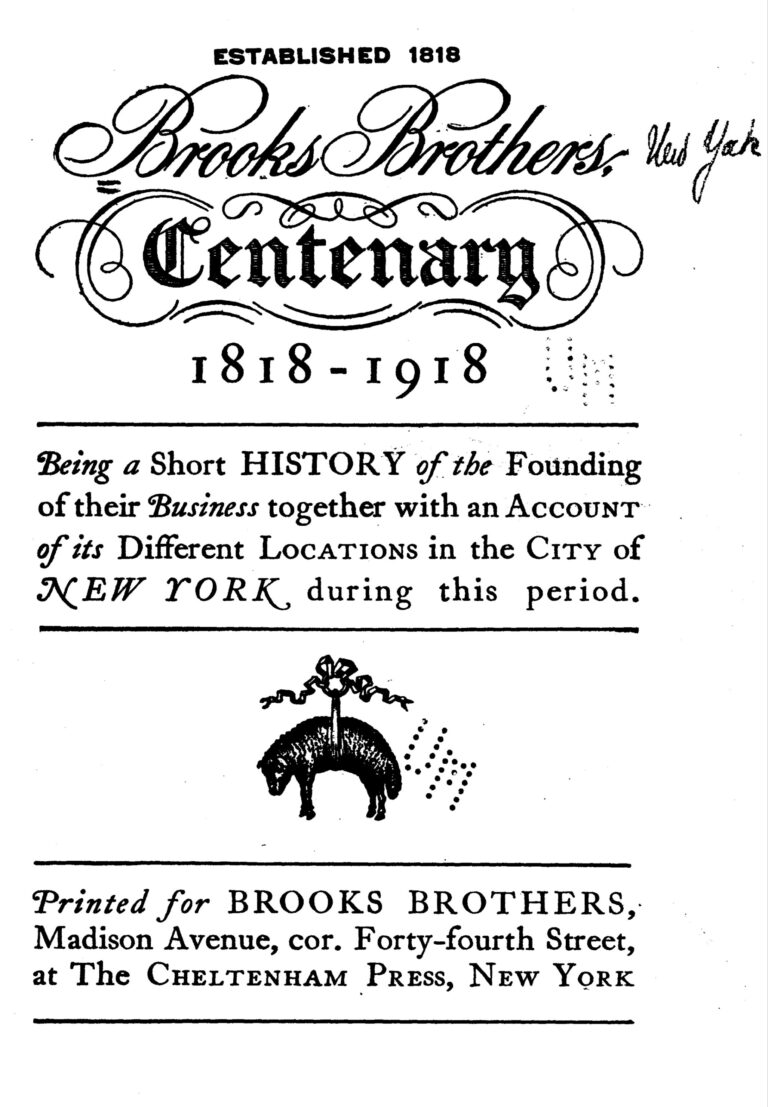
A centennial commemorative book published in 1918. While it describes their history, most of it covers the company’s progression, and unfortunately, there is not much detailed information regarding the products.
The history of Brooks Brothers as I understand it is as follows.
This timeline is extremely important because the timing of these acquisitions often coincides with changes such as logo redesigns or the introduction of new lines and initiatives. In many cases, it provides a useful guide to identifying when major shifts in the products occurred.
Brooks Brothers: Ownership Changes and Major Initiatives
1818–1946
Family ownership by the founder Henry Sands Brooks and his descendants.
Founded in New York, the company helped establish American traditional style through ready-to-wear clothing, the button-down shirt, and other classics.
1946
Acquired by the Washington, D.C. department store company Julius Garfinckel & Co., Inc.
This marked the end of the Brooks family’s ownership.
1981
Acquired by the American department store group Allied Stores Corporation.
1988
Purchased by the British retailer Marks and Spencer plc.
The acquisition was intended to strengthen its presence in the U.S. luxury menswear market.
2001
Acquired by Retail Brand Alliance, Inc., a company established by the Italian businessman Claudio Del Vecchio. Under this ownership, significant investments were made to revitalize the brand.
Launch of Black Fleece by Brooks Brothers in collaboration with designer Thom Browne (2007). A reinterpretation of classic American traditional style Presented as a fashion collection line Participated in the Paris fashion collections
Black Fleece was discontinued in 2015.
2020
After filing for protection under Chapter 11 of the U.S. Bankruptcy Code, Brooks Brothers was sold to the joint venture SPARC Group, LLC, formed by Authentic Brands Group, LLC and Simon Property Group, Inc.
In their published history, they claim that they introduced the British regimental tie to America in 1902. Their claim is that they reversed the direction of the stripes.
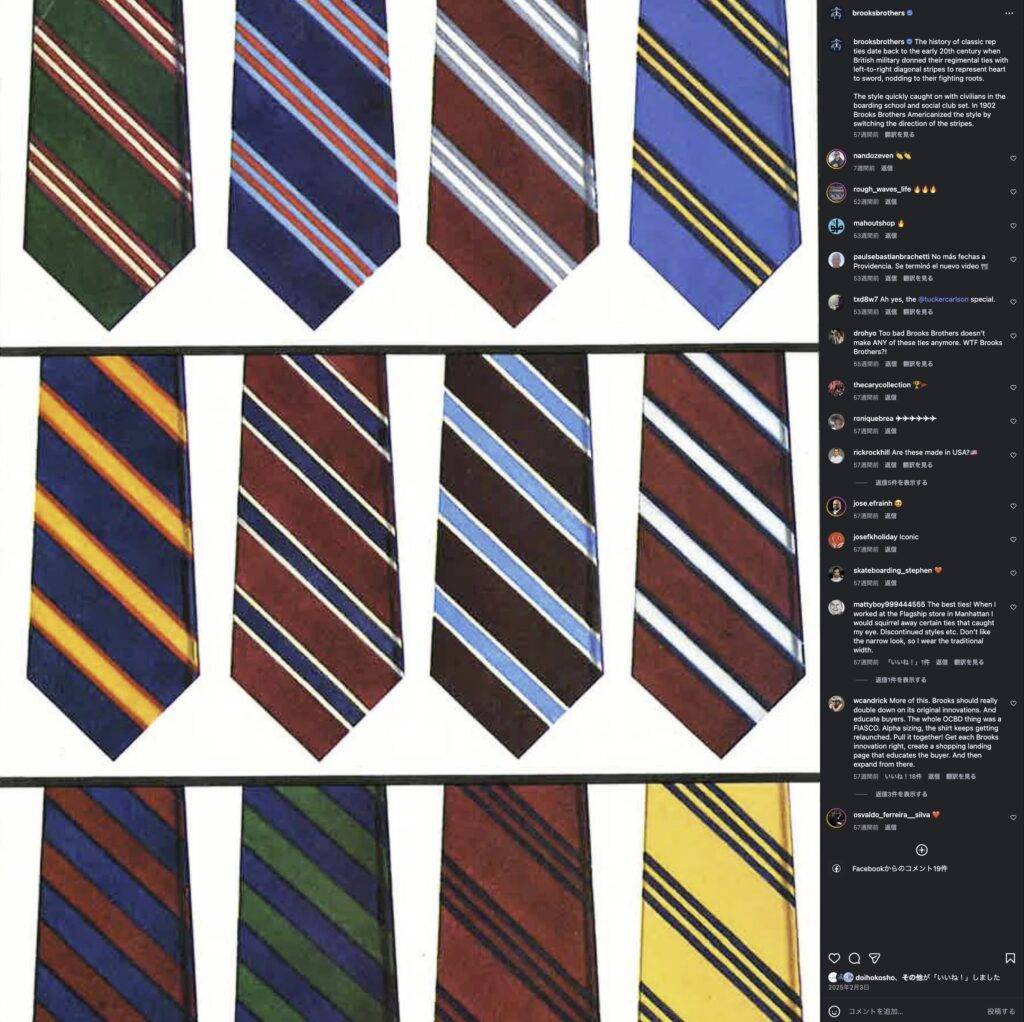






No.1: A combination of one thick stripe and two thin stripes.
No.2: A stripe bordered on both sides by very thin lines.
No.3: A single thin stripe.
No.4: Alternating stripes of two colors in wide widths.
No.5: Alternating stripes of two colors in narrow widths.
No.10: A combination of one thick stripe and two thin stripes of the same color.

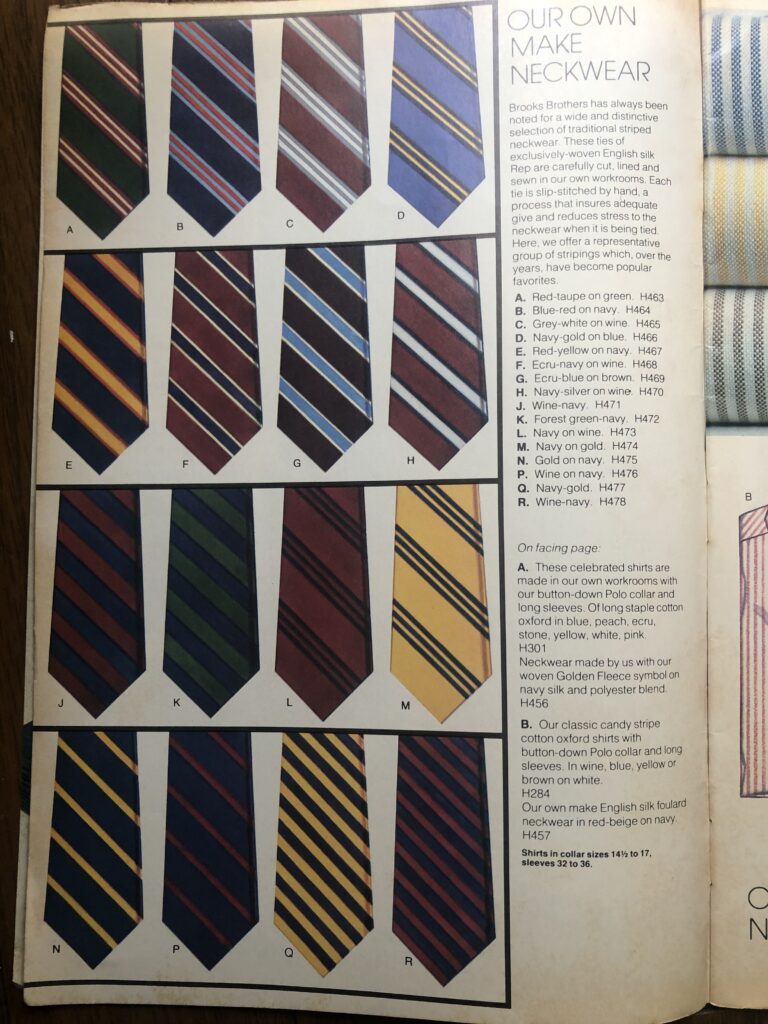
When I first bought a Brooks Brothers tie, I did not know that the patterns were numbered. I do not know if this has been the case since long ago or if it is a recent development. Neither my 1981 catalog nor the 1988 catalog shown below mentions such a thing, so I would like to know around when they started referring to them in that way.
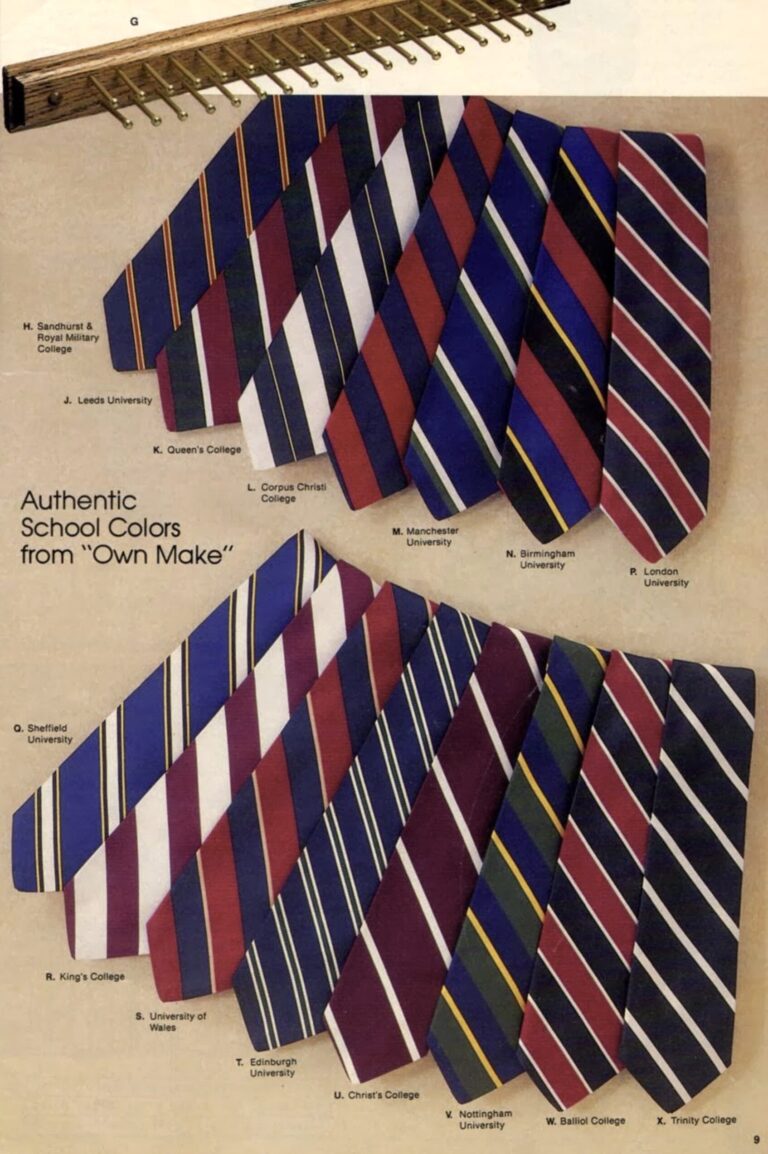
If the historical claims they present are accurate, then in 1947 they built a factory dedicated to the production of neckties. This development would eventually lead to the “Brooks Brothers Makers” label
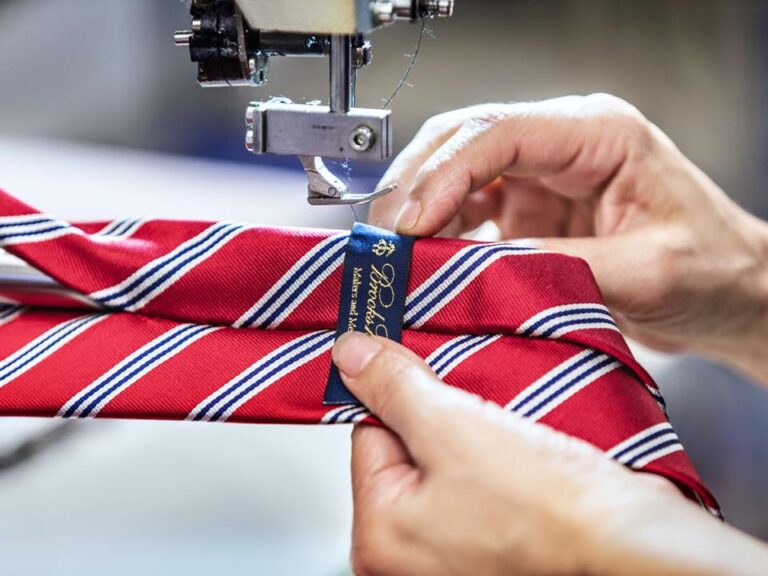
2015
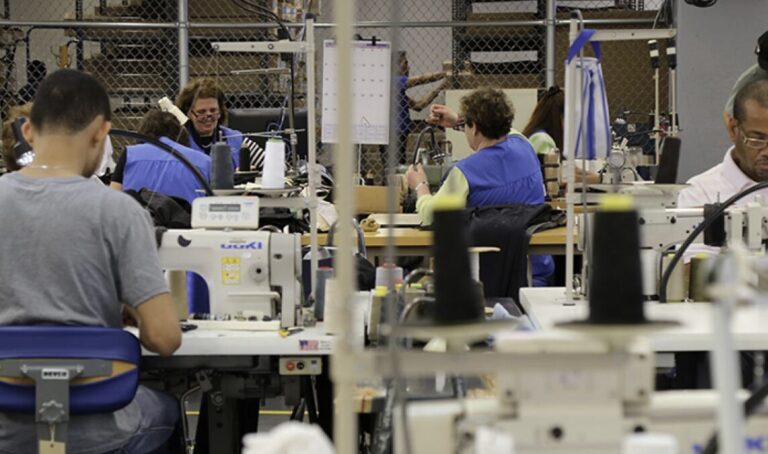
Spotlight: The Brooks Brothers LIC Factory and Alterations Center, 2015 Age Smart Employer Award Winner

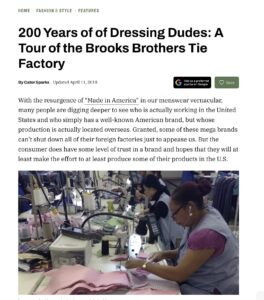
THE MANUAL 2By Cator Sparks Updated April 11, 2018
200 Years of of Dressing Dudes: A Tour of the Brooks Brothers Tie Factory
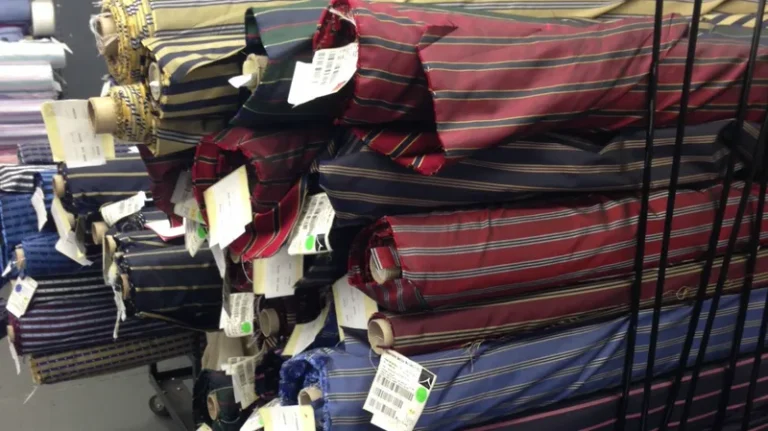
Queens Post Updated May 19, 2020
Brooks Brothers Factory on Skillman Avenue to Close, 136 Jobs to be Lost: State Filing


Based on the materials I have been able to examine, a reverse regimental tie existed at least as early as 1894, and notably it was being sold by Wilson Brothers of Chicago. If this had appeared only in a minor or obscure brand, it might be dismissed as a one-off design created on a whim. However, the fact that it appears in The Clothier and Furnisher, a fashion industry journal that circulated widely across the United States at the time, gives it much greater significance. In this period the three-piece suit was still the dominant style, and ties were generally shorter than modern ones. Even so, the presence of a reverse regimental pattern is clear evidence that the design already existed.
Moreover, similar examples appear repeatedly from other brands between 1894 and 1902. Given this pattern of evidence, the claim that Brooks Brothers invented the regimental tie in 1902 can reasonably be understood as a narrative constructed later by the eventual market winner rather than as a literal historical origin.
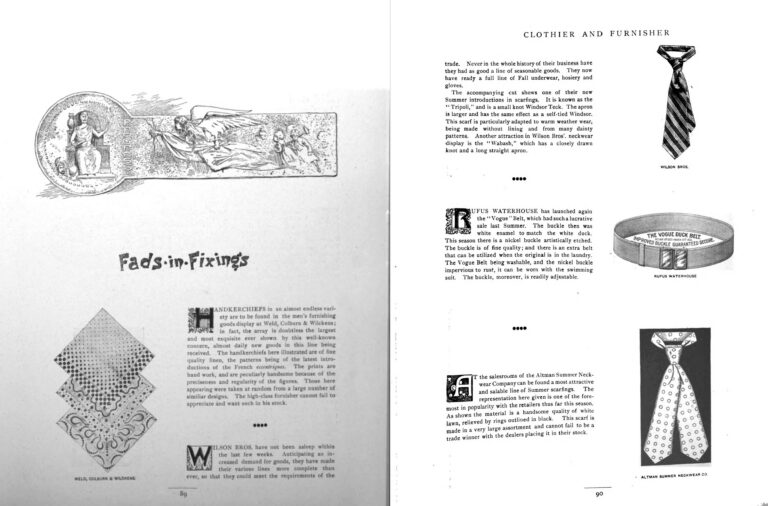
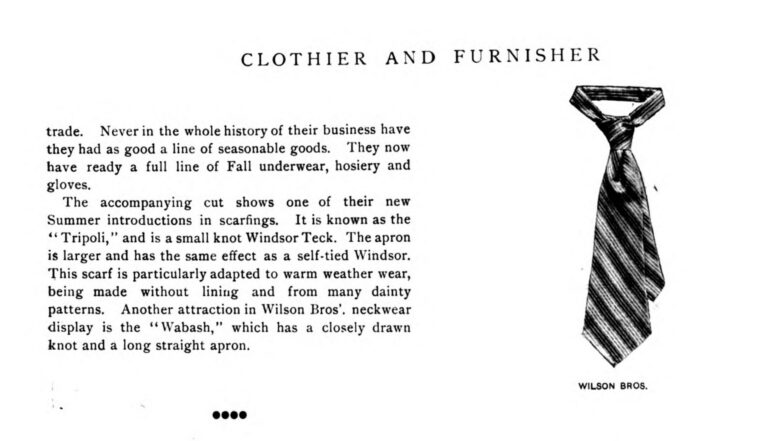
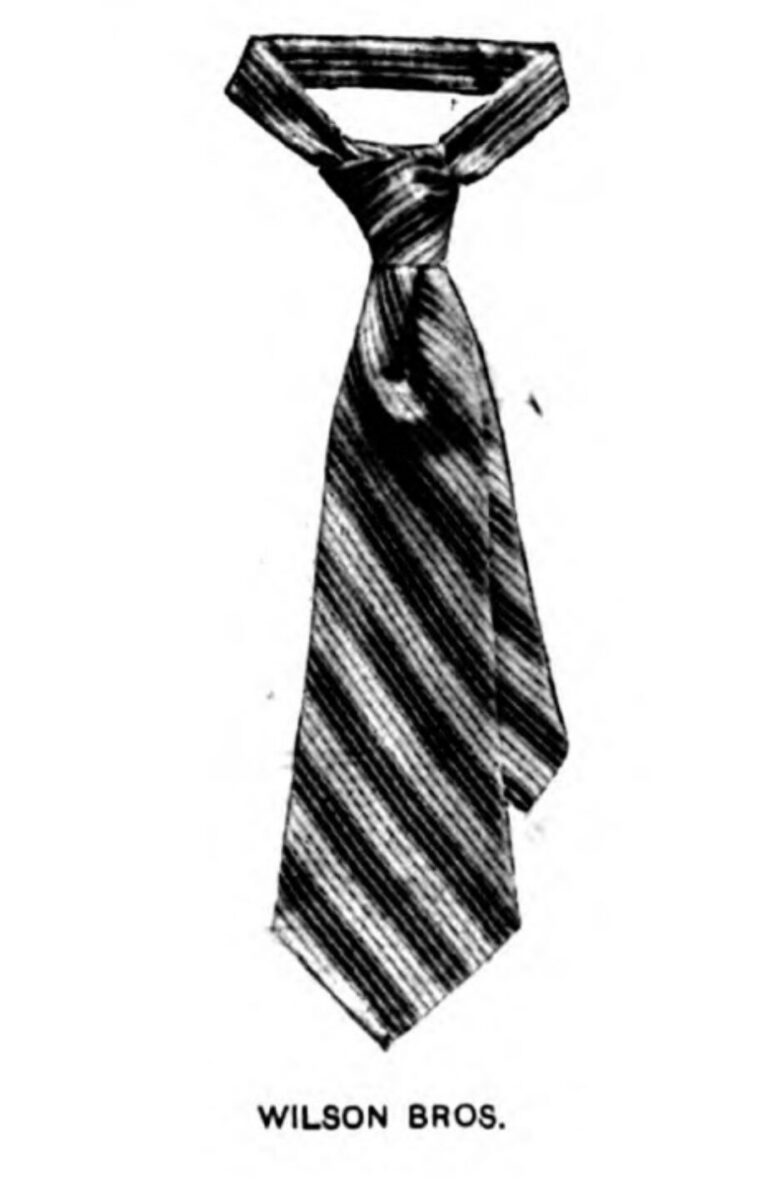
WILSON BROS. have not been asleep within the last few weeks. Anticipating an increased demand for goods, they have made their various lines more complete than ever, so that they could meet the requirements of the trade. Never in the whole history of their business have they had as good a line of seasonable goods. They now have ready a full line of Fall underwear, hosiery and gloves. The accompanying cut shows one of their new Summer introductions in scarfings. It is known as the “Tripoli,” and is a small knot Windsor Teck. The apron is larger and has the same effect as a self-tied Windsor. This scarf is particularly adapted to warm weather wear, being made without lining and from many dainty patterns. Another attraction in Wilson Bros.’ neckwear display is the “Wabash,” which has a closely drawn knot and a long straight apron.
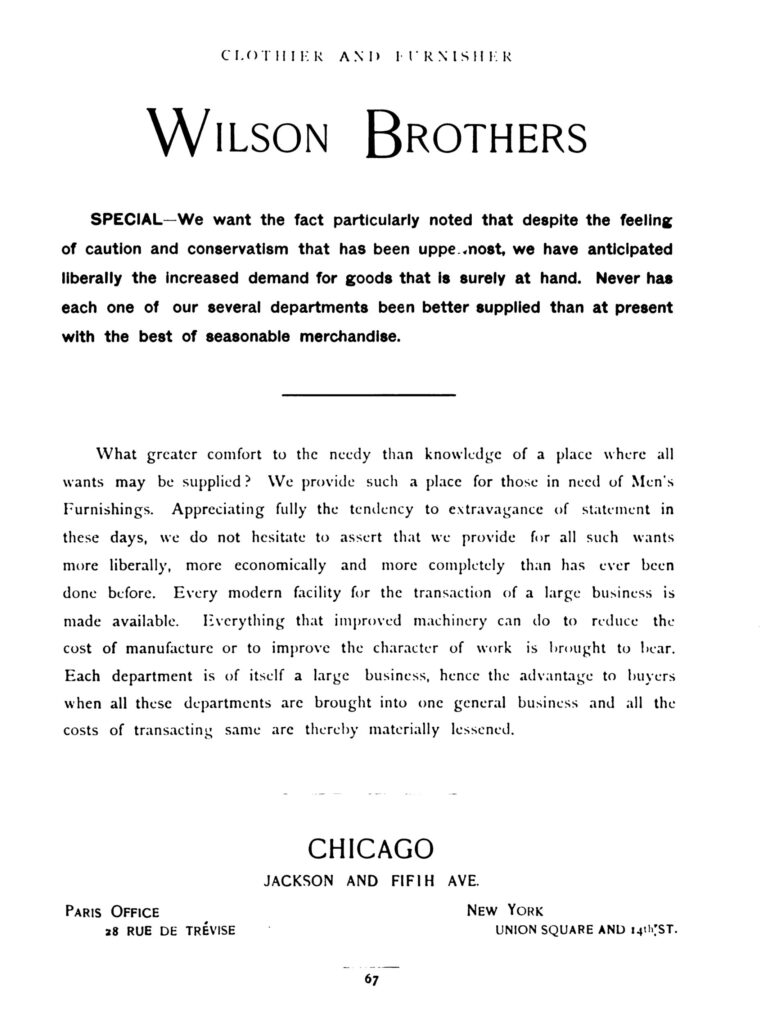
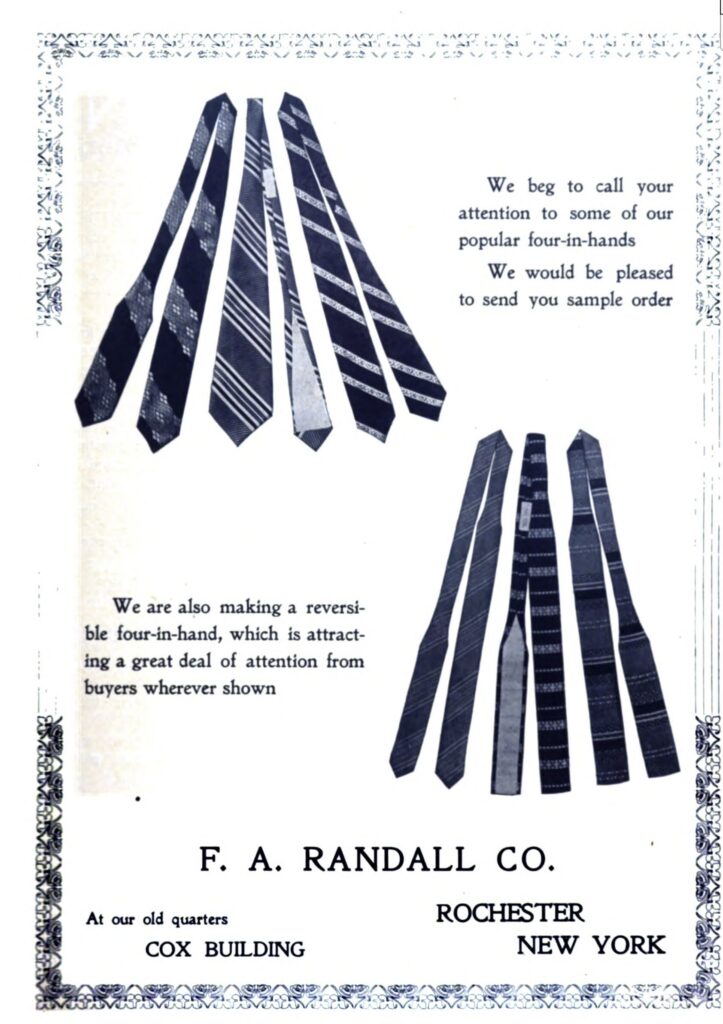
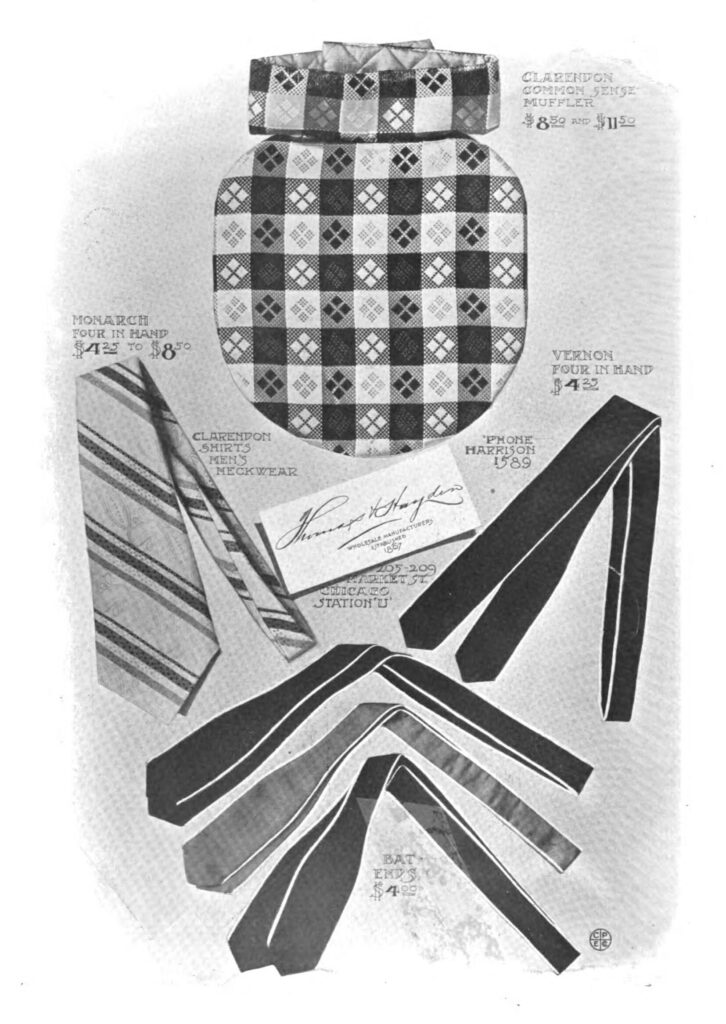
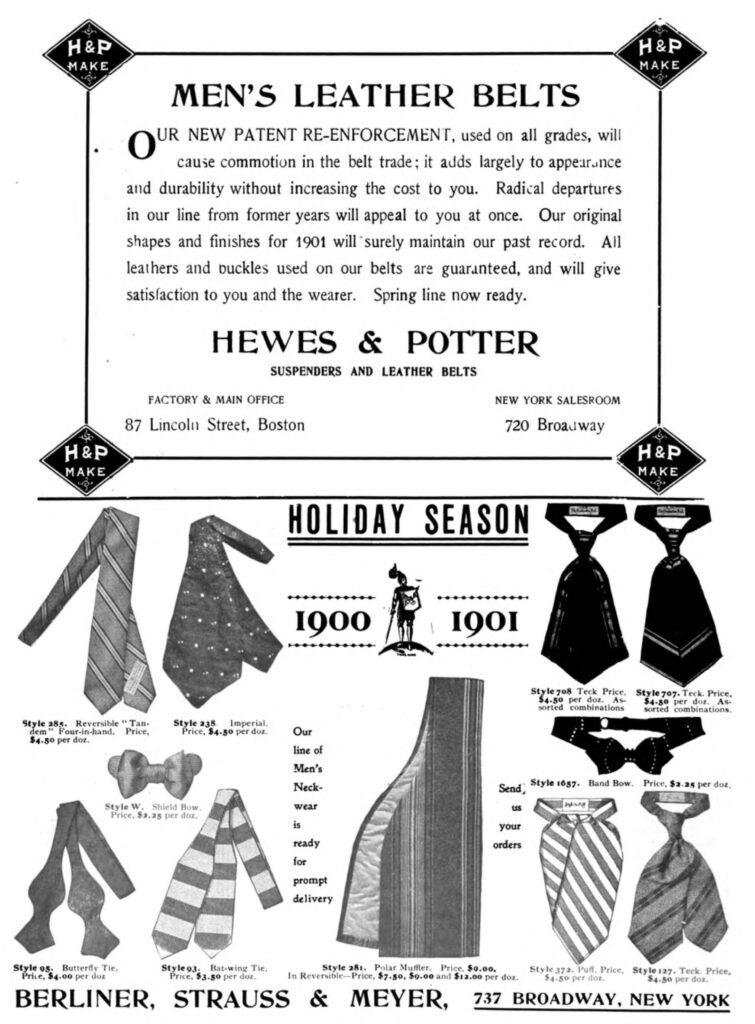
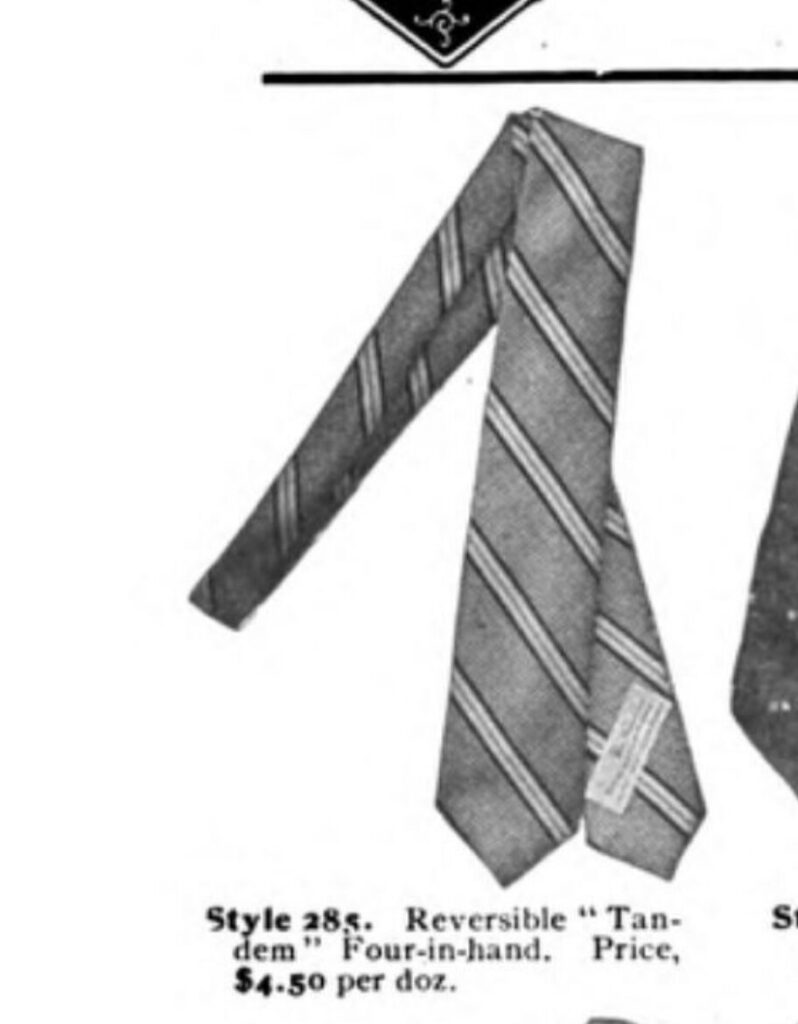
The Clothier and furnisher v. 57 (Aug. 1900-Jan. 1901)
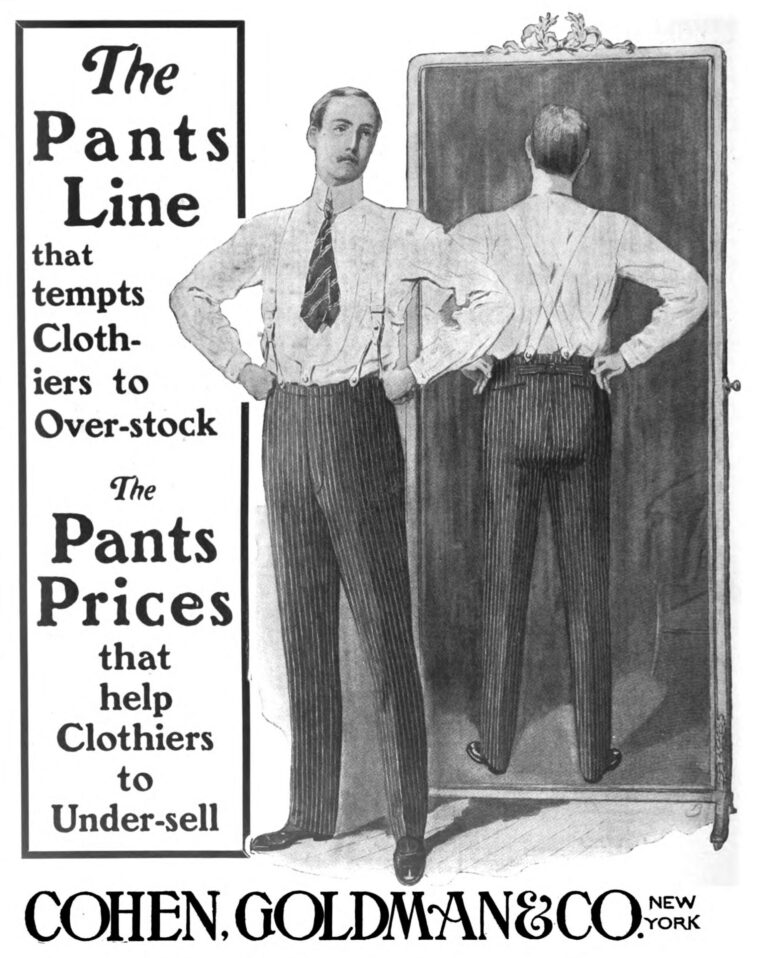
During this era, modern suit shapes did not yet exist, so it must be taken into account that ties were also short.The same naturally applies to Brooks Brothers.
recommend
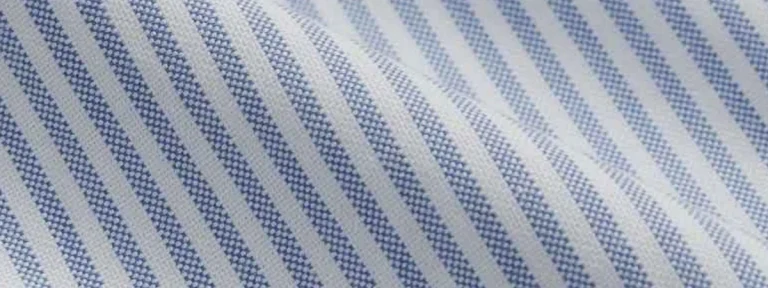
We love Oxford cloth. Closely associated with the button-down shirt, this fabric is said to have originated in Britain in the 19th century. With more than a century of history behind it, we examine the deeper meaning behind a well-known story: that among the four so-called “university fabrics”—Oxford, Cambridge, Harvard, and Yale—Oxford is the only one that has survived to the present day.
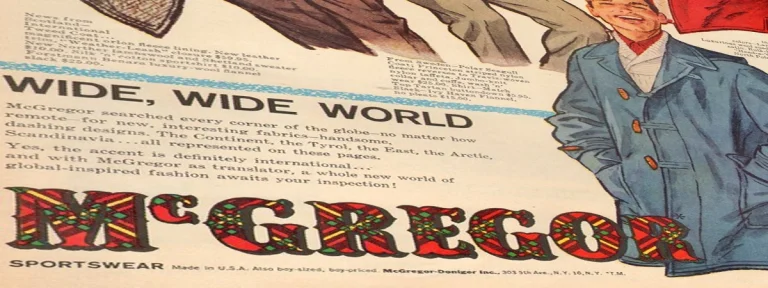
We know little about the history of the brand McGregor. Evolving alongside American sportswear and linking functionality with everyday life, it mirrors twentieth-century popular culture. It may seem outdated compared to today’s sports manufacturers, yet its trajectory—shaped by material innovations and corporate transformations—offers a key to understanding the American apparel industry. Let us now explore the history of this American giant, once the world’s largest sports brand.