コンテンツへスキップ
I respect the many people involved in the shirt & textiles
The World’s 1st shirt website

GANT

IVY’s Standard Shirt Maker

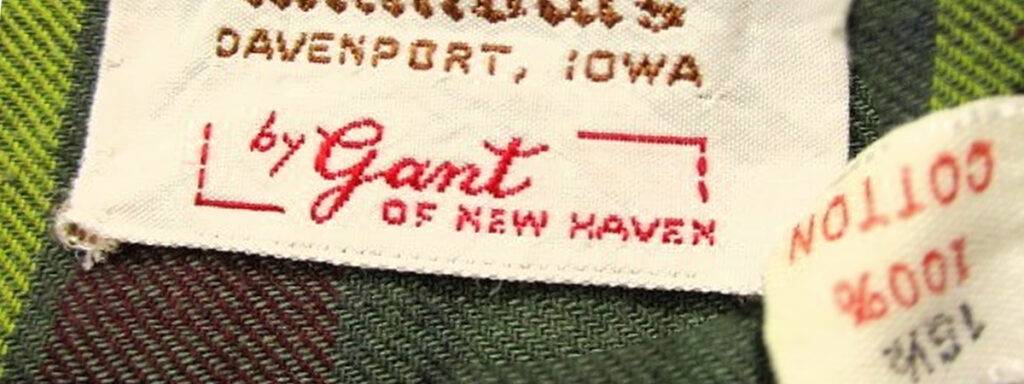
Without GANT, Ivy shirts might never have spread in the way we know today. GANT provided a form that Ivy League students—particularly those at Yale—could wear every day without hesitation.It was neither a special design nor a new ideology. It was simply the fact that the same shirts, made to the same specifications, were worn in the same way, again and again. That repetition is what transformed Ivy shirts from a look into a shared standard of style.
GANTがなければアイビーのシャツは私たちが知るかたちでは広がらなかったかもしれない。 それはアイビーリーグの学生、特にイェール大学の学生が毎日着ても違和感のない「形」を、GANTが示したからである。 それは特別なデザインでも新しい思想でもありませんでした。 同じ仕様のシャツが、同じように作られ、同じように着られ続けたという事実にほかならない。 その反復こそがアイビーのシャツを一つのルックから共有されたスタイルの「スタンダード」へと変えていったのです。

Arrow

Iconic American Shirt

For more than 170 years, Arrow has helped define the standard of the American dress shirt. This article explores the brand’s rich history and the enduring essence of its timeless style. From the innovation of detachable collars to its pivotal role in shaping modern menswear, we examine the legacy Arrow has built—and why it continues to serve as a foundation of the classic wardrobe today—through the lens of both craftsmanship and philosophy. A must-read for those who value history, quality, and enduring design.
170年以上にわたり、アメリカのドレスシャツの基準を形づくってきた〈Arrow(アロー)〉。 本記事では、その長い歴史と、時代を超えて受け継がれてきたスタイルの本質を紐解きます。 取り外し可能な襟という革新から、近代メンズウェアの成立に果たした役割まで。 アローが築いてきた遺産と、今日なおクラシックなワードローブの基礎であり続ける理由を、職人技と思想の両面から掘り下げます。 歴史と品質を重んじるすべての方に向けた、アローを知るための一篇です。

BYZANTINE SILK

Byzantine silk refers to the silk products woven in the Byzantine Empire (Byzantium) from the 4th century until the Fall of Constantinople in 1453. The Byzantine capital of Constantinople became the first significant silk-weaving center in Europe, and its influence was extensive. Silk was a crucial commodity in the Byzantine economy, utilized by the state as a means of payment and diplomacy. Initially, raw silk was imported from China, and the textiles made from it were highly valued and traded at high prices worldwide. However, later on, silkworms were smuggled into the Byzantine Empire, allowing for self-sufficient silk production.
ビザンチンシルクは4世紀から1453年のコンスタンティノープルの陥落までのビザンチン帝国(ビザンティウム)で織られたシルク製品です。ビザンチン帝国の首都コンスタンティノープルは、ヨーロッパで最初の重要な絹織物の中心地となりその影響力は広範囲にわたりました。絹はビザンチンの経済において非常に重要な商品であり国家が支払い手段や外交手段として利用していました。生糸は初めは中国から輸入されそれを用いて作られた織物は世界中で高い評価を受け高値で取引されました。しかし後にビザンチン帝国内に蚕が密輸され絹の生産が自給自足できるようになりました。

- Latest -

The History of Shirts

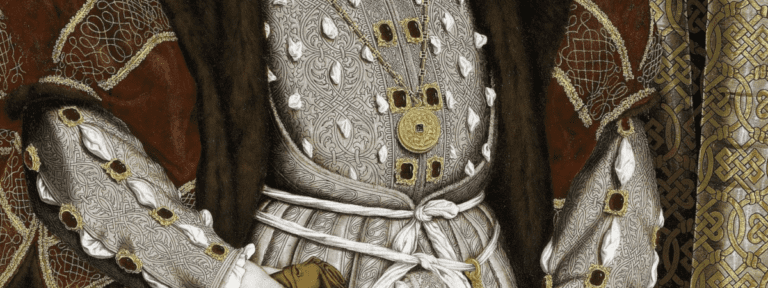
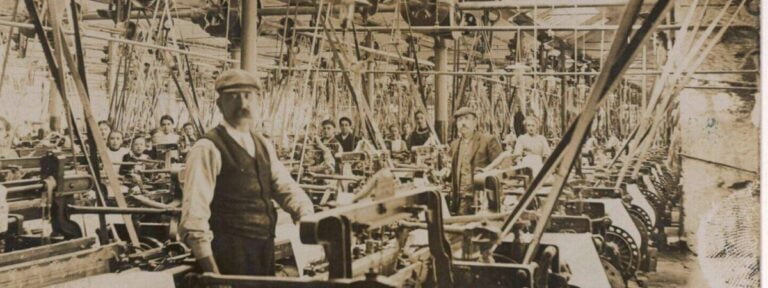
The history of the dress shirt is closely linked to the evolution of human clothing over thousands of years. In ancient Egypt, Greece, and Rome, simple tunics and robes were the prototypes of modern shirts. Made primarily of linen and flax, these garments emphasized comfort and functionality. In medieval Europe, shirts were mainly worn as undergarments to protect the skin. These simple, long-sleeved linen shirts had a loose fit. By the 16th and 17th centuries, shirts featured more decoration, including embroidery and lace, becoming status symbols for the upper classes.The Industrial Revolution in the late 18th and 19th centuries brought significant changes to shirt manufacturing. Machine weaving made shirts more affordable and widely accessible. By the 19th century, the dress shirt began to take its modern form, with refined collars and cuffs, becoming an essential element of formal attire.

POPLIN or BROAD ?​

In the UK, it’s referred to as poplin, while in the US, the same fabric is known as broadcloth. This intriguing discrepancy in naming reflects the cultural variations within the textile industry. Known for its high quality and refined appearance, this finely and tightly woven fabric is widely used in crafting elegant shirts. Poplin, or broadcloth, began its journey in medieval Europe as a luxury silk fabric, evolving over the centuries to become predominantly cotton-based. In this feature, we will explore the rich and intricate history of this fabric, its historical evolution, unique characteristics, and the reasons behind its differing names across countries.

Troy : The Collar City

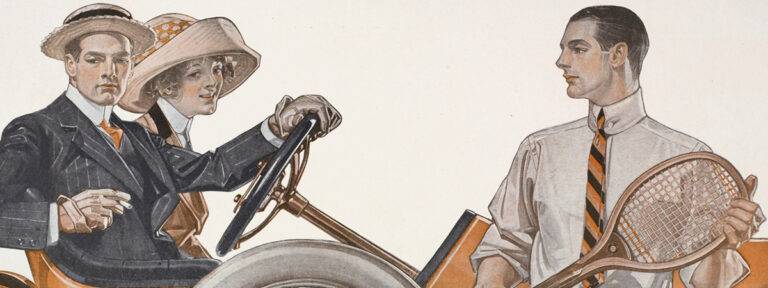
In the late 19th century, Troy, New York, became known as “Collar City,” a title earned from its status as a hub for the manufacturing of detachable collars. At that time, clean clothing symbolized social status, and detachable collars offered a practical, hygienic solution. Troy met this new demand, supplying products nationwide, significantly impacting its economy and employing thousands. This study explores how Troy achieved its fame through detachable collar manufacturing and its broader impact.
The Oldest Tartan In Scotland

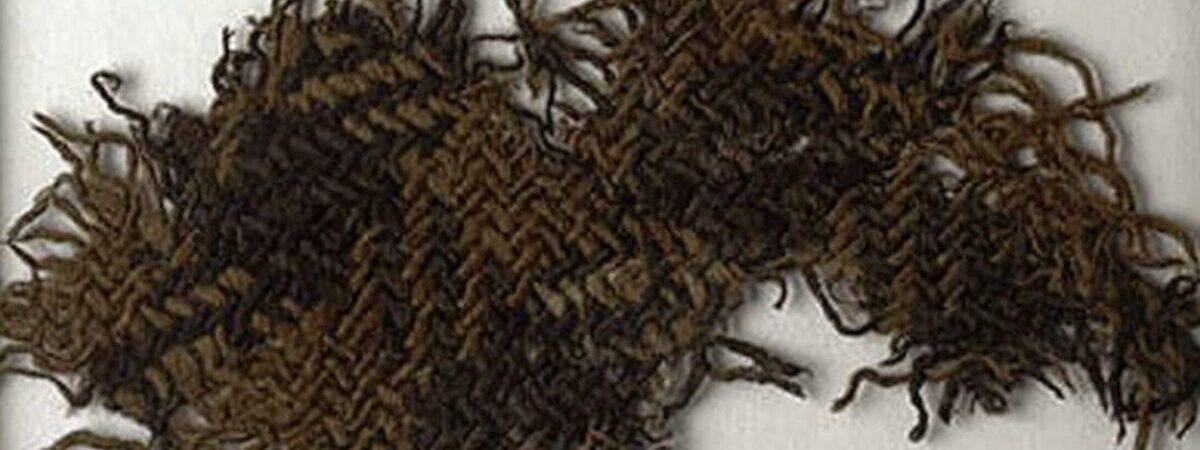
The 1933 discovery of the Falkirk Tartan in Scotland offers a fascinating glimpse into ancient weaving techniques and the cultural interactions of the Romans and Celts. This research aims to explore the textile’s unique weaving style and its historical significance, highlighting its role in understanding Scotland’s pre-Roman Iron Age traditions and cultural heritage.

Exploring King David & Solomon's Ancient Wardrobes

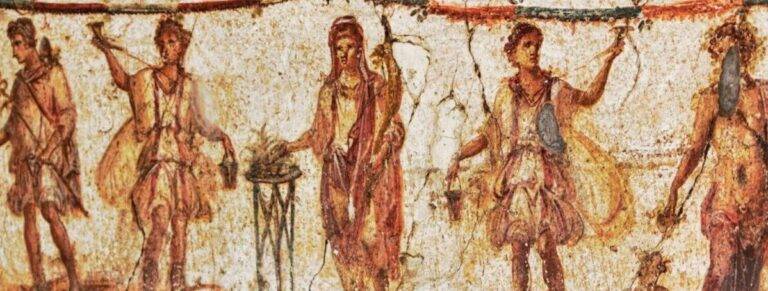
As we enter the year 2024, I find myself contemplating. The current religious conflicts are not the world I desire, and I hope for peace to prevail soon. We humans have a history of living in perpetual conflict. In particular, I am unsure who is right in the recent issues in Israel. In fact, it seems beyond my understanding. My hope is for the world to quickly find peace. Since I didn’t know much about the Middle East, I have been researching the Kingdom of Israel. In the 2000s, numerous artifacts from the era of Kings David and Solomon were discovered. I have compiled this information.

ART OF Tartan

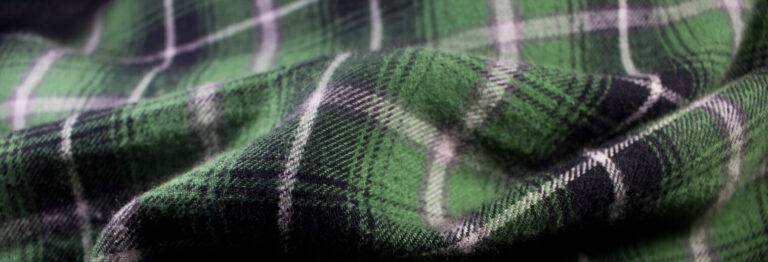
You are all likely familiar with the long history of tartan, but have you ever delved into its true origins and enduring appeal? What is it about this pattern and its colors that captivates us so? While some might consider certain aspects of tartan traditional or even old-fashioned, its significance and style continue to resonate, especially around this time of year. Welcome to a special feature in Highcollar Magazine, where we embark on a journey to uncover the fascinating truths behind tartan checks

- Recommendation -

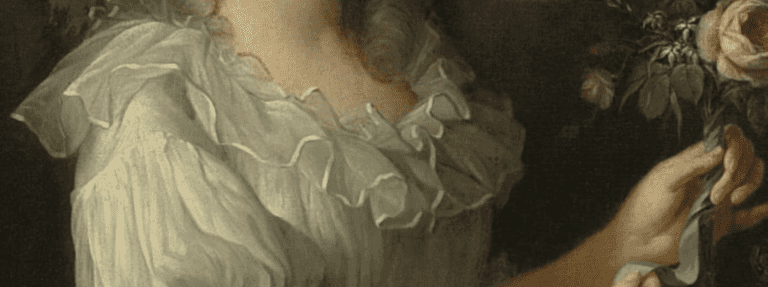
Diverse World Shirt Styles

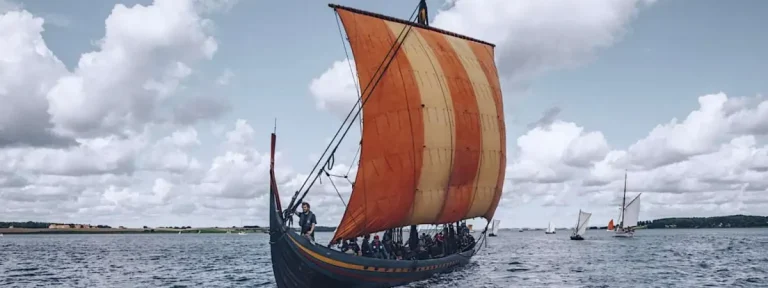
Viking Tunic

dhaka muslin

buttondown

slashing

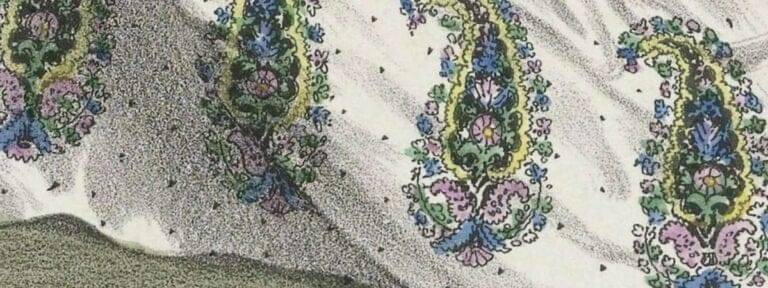
paisley pattern

OG-108

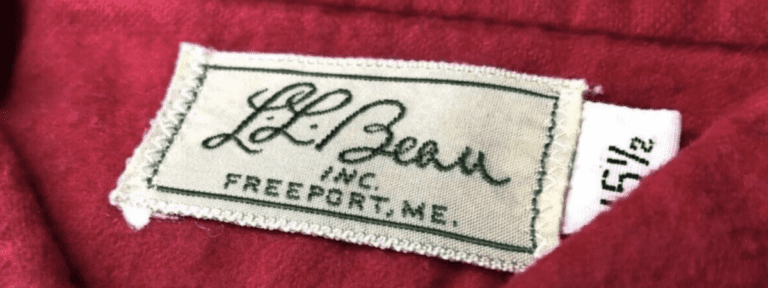
L.L.BEAN / VINTAGE TAG

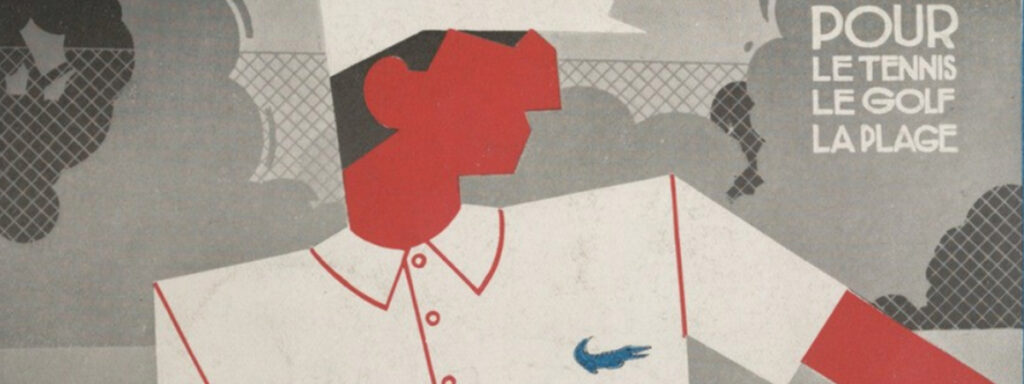
RENÉ LACOSTE

Denim, Chambray, Dungaree

Cone denim

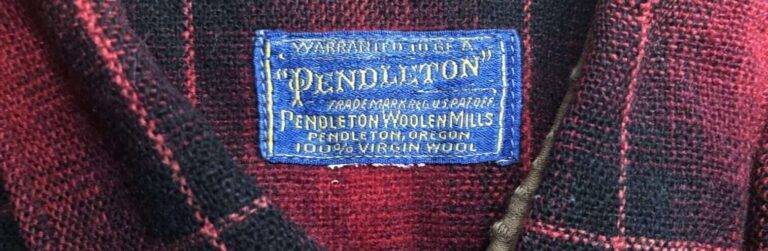
PENDLETON VINTAGE TAGS

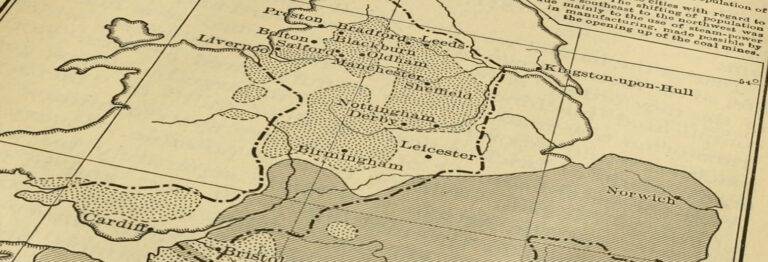
INDUSTRIAL REVOLUTION

VIYELLA FLANNEL

FUSTIAN

flannel

Liberty & co with William Morris

JAPANESE SILK JACQUARD FACTORY

I am exploring the history of tartan out of personal interest. I will be updating my findings gradually. As the discussion progresses, various stories might intersect at the final point, but please understand that this is part of my research and organization process. I am slowly delving into the history of tartan, one of the world’s most cherished patterns.

Weaving And Design

JANUARY – 2024 30 MINS READ
This chapter offers a comprehensive look into tartan weaving and design, an integral part of Scotland’s heritage. Tartan’s journey from a practical cloth to a cultural emblem is as colorful as the patterns themselves. Originating in the Scottish Highlands, tartan was initially used by clans as a means of identification. The chapter discusses how tartan patterns are created, focusing on the techniques of weaving. It explains the role of warp and weft in forming the unique tartan grid and delves into the choice of colors, influenced by natural dyes available historically. The chapter also explores the evolution of tartan designs, affected by both social changes and technological advancements.

ART OF Tartan

Why Scots love KILT

THE WORLD OLDEST TARTAN

The Oldest Tartan In Scotland

ROMAN ERA IN BRITAIN

THE PICTS

Shirt museum

We already stock sample over 1000 shirts from all over the world (including vintage & antiques). We are taking beautiful photos and putting them out, so please wait a while now.
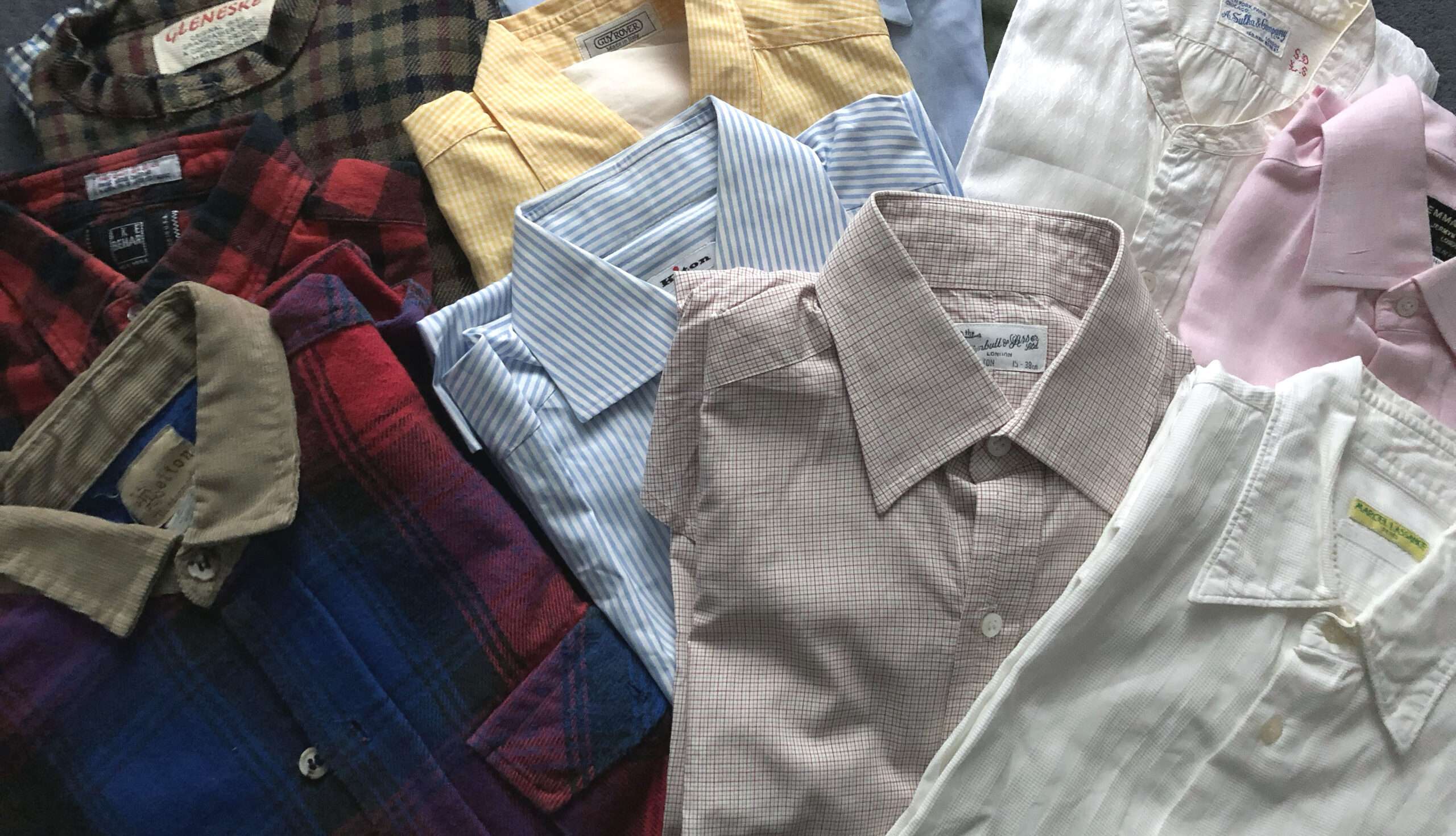
” There is more… so keep an look on this my collections.”